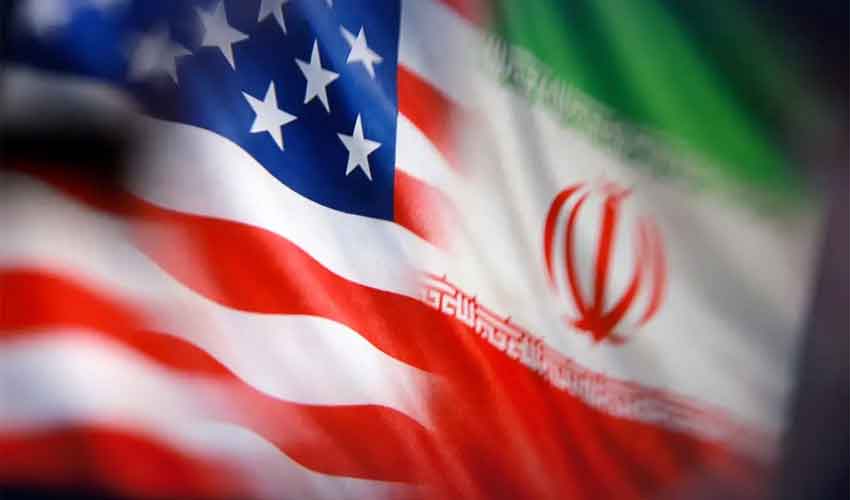
The United States has ordered the voluntary evacuation of dependants of military and diplomatic personnel from several countries in the Middle East, citing rising regional tensions and possible threats linked to Iran’s nuclear programme.
According to a report by CBS News, the decision was made in anticipation of a potential Israeli attack on Iran and growing concerns in Washington that negotiations with Tehran are faltering.
A statement issued by the US Central Command (CENTCOM) on Wednesday confirmed that Defense Secretary Pete Hegseth had authorised the voluntary departure of US military dependants from bases and missions across Bahrain, Kuwait and the United Arab Emirates. Orders were also given for all nonessential personnel to leave the already limited US Embassy in Baghdad.
“The safety and security of US personnel remains our top priority,” the State Department said, reiterating its commitment to “keeping Americans safe, both at home and abroad”.
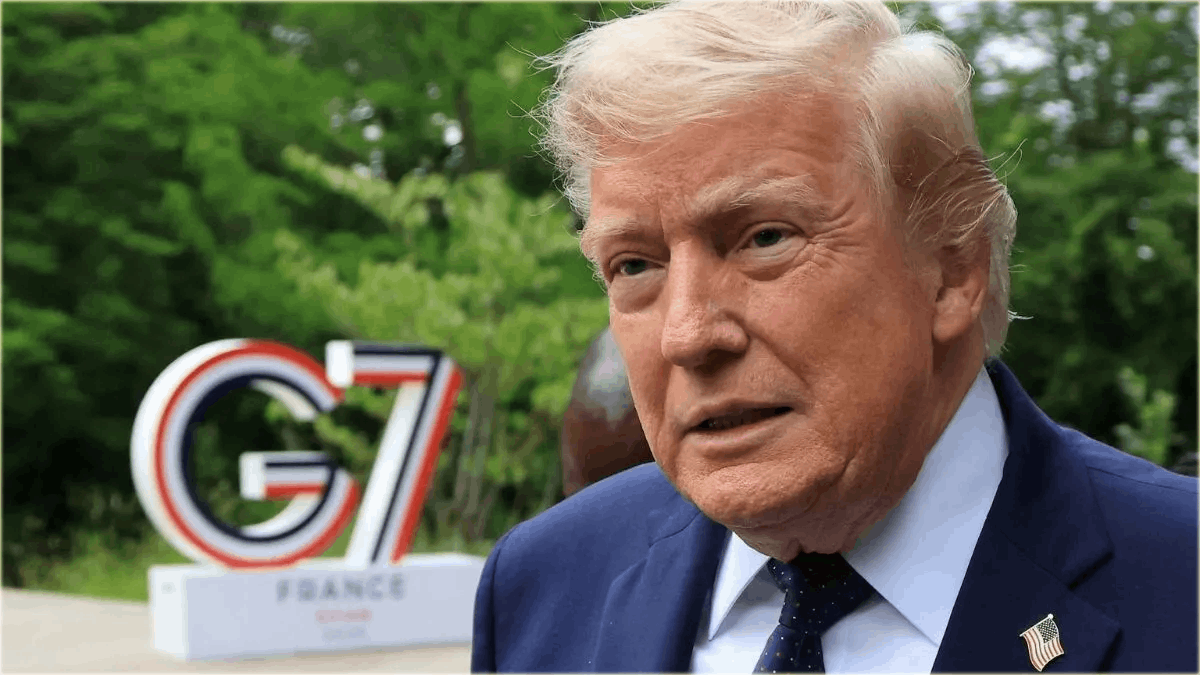
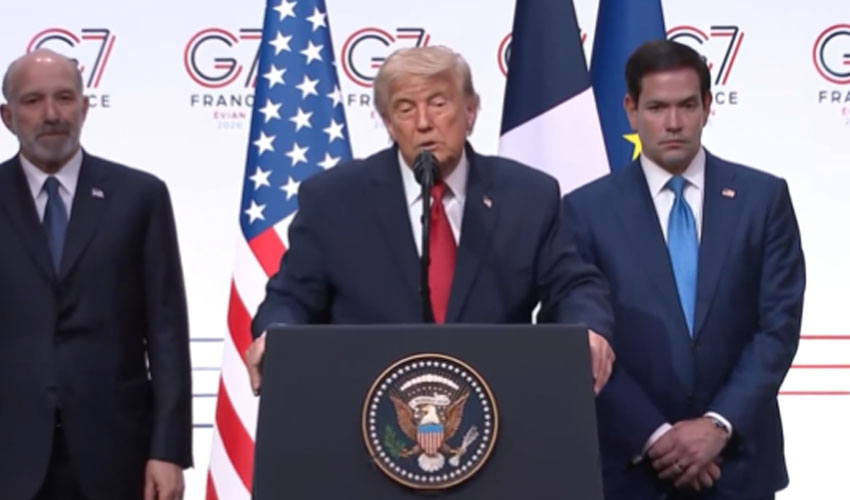
Speaking at a press briefing late Wednesday, President Donald Trump described the move as precautionary. “We’ve given notice to move out, and we’ll see what happens,” he said. “That region could be a dangerous place. But one thing is very clear — they [Iran] can’t have a nuclear weapon. Very simple. We’re not going to allow that.”
Trump’s remarks came against the backdrop of intensified diplomatic activity in Washington, where senior US military and administration officials have reportedly been engaged in high-level consultations regarding the status of talks with Iran.
Al Jazeera’s correspondent Alan Fisher, reporting from the US capital, said there was a growing sense of unease in the White House. “Donald Trump has in the last couple of days expressed his concern that a deal might not be able to be done,” he said.
“This evacuation — particularly from Baghdad — is significant. It signals that either Washington expects hostilities to escalate or is attempting to exert pressure on Tehran by raising the stakes,” he added.
Fisher also noted that the US had previously evacuated its Baghdad embassy during heightened tensions, especially when Iran-aligned militias in Iraq were believed to be planning attacks on American facilities.
The sixth round of nuclear talks between Tehran and Washington is expected to take place in Oman later this week. Despite the rising temperature in the region, US Special Envoy Steve Witkoff is still scheduled to attend the dialogue.
Meanwhile, Iranian Defence Minister General Aziz Nasirzadeh said that while Tehran remains hopeful about the success of the negotiations, it is prepared for a military confrontation if provoked.
“If conflict is imposed on us, the opponent’s casualties will certainly be more than ours,” Gen Nasirzadeh said at a press conference in Tehran. “America must leave the region, because all its bases are within our reach. We have access to them, and we will target all of them in the host countries without hesitation.”
While Washington has not confirmed whether military preparations are underway, the latest moves appear to suggest a dual-track approach: continuing talks, while preparing for potential escalation.
Israeli officials have remained tight-lipped about any imminent action, though speculation continues to grow that Tel Aviv may act unilaterally should diplomacy fail.
The evolving situation has left analysts warning of a potentially volatile summer in the Middle East, with several flashpoints across the region — from Syria and Iraq to the Persian Gulf — now under renewed scrutiny.



.gif)
.jpg)