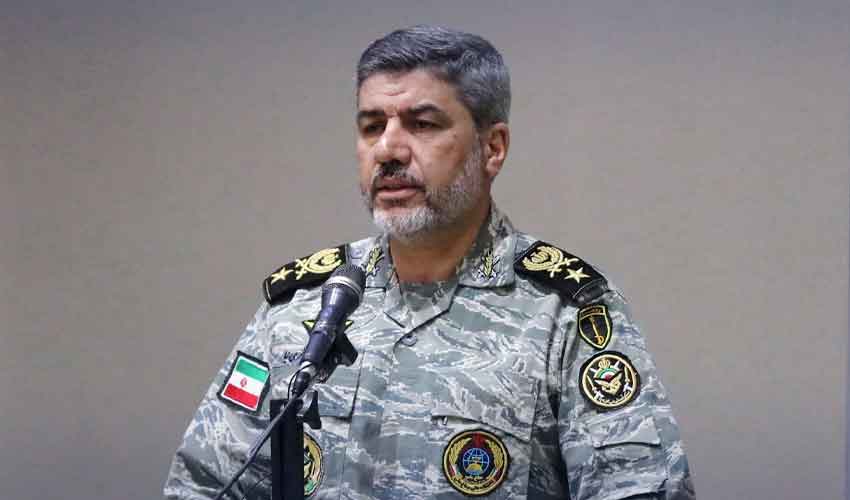
Iran has hardened its position over the Strait of Hormuz, with Iranian Army spokesperson Brigadier General Mohammad Akraminia declaring that the new order governing the strategic waterway is “irreversible” and warning the United States it will face a heavier price if it refuses to accept the situation.
Akraminia said Iranian forces would remain steadfast until the new system is fully consolidated, while Tehran’s top security official separately outlined conditions that Washington must meet before the strait can reopen.
Addressing a public gathering in Tehran on Saturday, Akraminia said the United States had no choice but to accept what he described as the new reality in the Strait of Hormuz.
“Today, the Iranian order prevails in the Strait of Hormuz, and the Armed Forces of the Islamic Republic of Iran are standing firmly until this order is fully established,” he said, according to Iranian media reports.
Akraminia warned that ignoring the new situation would carry consequences for Washington.
“The United States has no choice but to accept the existing situation; otherwise, it will incur costs far greater than those it has faced in the past,” he said.
He stressed that there would be no change in Iran’s position and that the Iranian Armed Forces had both the motivation and military capability to enforce the new arrangement.
Forces vow to remain at missile and drone sites
The army spokesperson said Iranian forces remained deployed at missile and drone launch positions and were continuing operations despite what he described as the enemy’s multilayered defensive systems.
He said the Iranian military had demonstrated its willingness to sacrifice its personnel in defense of the country and the Islamic Republic.
“The Armed Forces of the Islamic Republic of Iran have proven that they will make sacrifices to the last breath in defending our beloved Iran and the Islamic Republic,” Akraminia said.
Also Read: Iran-Oman Hormuz deal nears, reopening still hinges on US conditions
He added that the forces had maintained high morale and carried out effective operations despite the challenges posed by opposing defense systems.
Iran lists conditions for reopening Strait of Hormuz
Akraminia’s remarks came alongside a separate statement from Mohammad Bagher Zolghadr, secretary of Iran’s Supreme National Security Council, who said the Strait of Hormuz would remain closed until Washington changed what Tehran considers its hostile policies.
Zolghadr said the United States must “correct its behavior” before the strategic waterway can reopen.
He outlined six principal conditions for reopening the strait, including an end to what Iran described as threats against its Supreme Leader and a permanent halt to military action against Iran and its regional allies.
Tehran is also demanding the withdrawal of US naval and air forces involved in what it calls the blockade of Iran, compensation for damage caused during recent conflicts, the lifting of US sanctions and the release of Iran’s frozen assets.
Zolghadr said the demands reflected the will of the Iranian people, pointing to nationwide rallies held over the previous six days.
“The Supreme National Security Council will not retreat from these demands, whether in war or in negotiations,” he said.
Talks continue over shipping arrangements
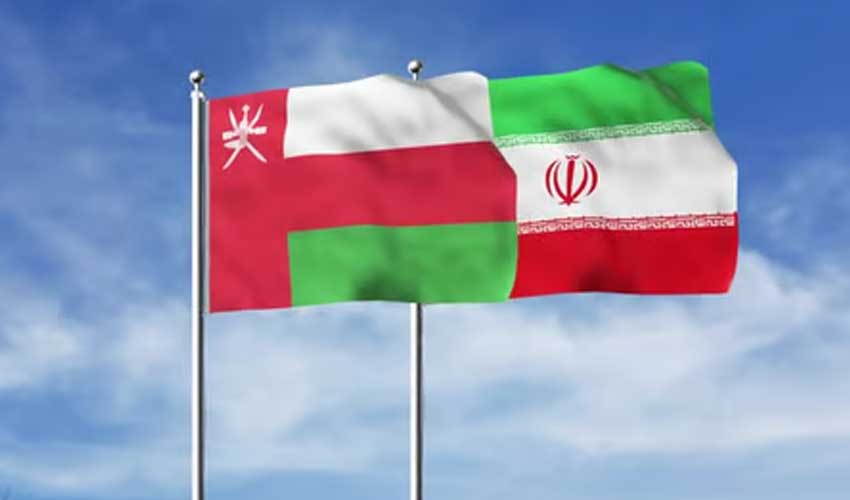
Iran’s tough rhetoric comes as Tehran and Oman continue negotiations over a mechanism for shipping through the Strait of Hormuz.
Iran has said it is close to an agreement with Oman on a new shipping route, but has repeatedly stressed that such an agreement would not automatically mean the strategic waterway would fully reopen.
The talks are aimed at establishing new arrangements for commercial navigation after Iran rejected the previous traffic separation system.
Also Read: US working on safe passage through Strait of Hormuz, says JD Vance
The proposed mechanism is intended to address the technical, legal and security issues surrounding vessel movements through the strait.
June memorandum failed to restore navigation
The current dispute follows a memorandum of understanding signed by Iran and the United States on June 18 through Pakistani and Qatari mediation.
The memorandum ended active hostilities and launched negotiations toward a broader agreement between Tehran and Washington.
It envisaged a gradual restoration of commercial navigation through the Strait of Hormuz. However, implementation later stalled as both sides accused each other of violating the terms of the understanding.
The deadlock has since left the future of commercial shipping through one of the world’s most important energy routes uncertain.
Iran says position on Hormuz won't change
Iranian officials have repeatedly separated negotiations over a new shipping route from the broader question of reopening the strait.
Tehran’s position is that even if an agreement with Oman is finalized, the waterway will not necessarily return immediately to unrestricted commercial traffic.
Akraminia reinforced that position by saying the “Iranian order” in the Strait of Hormuz could not be reversed.
He warned that any attempt by Washington to challenge the new arrangement would result in costs greater than those previously faced by the United States.
During his remarks, Akraminia also pointed to the participation of Iranian citizens in nightly rallies, saying public gatherings had strengthened the morale of the country’s armed forces.
Also Read: Iran won't accept pressure to surrender or submit, says Pezeshkian
He said the demonstrations had helped thwart what he described as enemy plans to overthrow the Islamic Republic.
According to Akraminia, the public presence had strengthened the motivation and sense of responsibility among Iranian forces defending the country and the Islamic system.
“The enthusiastic and heroic presence of the Iranian people in the streets has not only strengthened the morale and motivation of the Armed Forces’ fighters to defend the country, but has also significantly increased their sense of responsibility,” he said.
Army says Iran’s resistance raised global standing
The Iranian Army spokesperson also claimed that the country’s resistance against the United States had strengthened Iran’s standing among what he called freedom-seeking peoples around the world.
He said Iranians were increasingly viewed internationally as resilient, aware and courageous.
Akraminia argued that Iran’s enemies had no viable strategy capable of overcoming the Iranian people.
He also pointed to disagreements among US officials and what he described as contradictory statements and empty threats as evidence of Washington’s desperation and helplessness in the conflict.
Strait of Hormuz remains at center of conflict
The Strait of Hormuz, which connects the Persian Gulf with the Gulf of Oman, is one of the world’s most strategically important energy transit routes.
The waterway has remained at the center of the confrontation between Iran and the United States since Washington, alongside Israel, launched military action against Iran on February 28.
Iran responded by closing the strategic waterway and subsequently entering talks with Oman over a possible joint mechanism for managing shipping.
The latest statements from Tehran indicate that Iran is seeking to preserve the new arrangements it says have emerged in the strait, while making any full reopening conditional on wider US concessions.
Also Read: Iran, Oman finalise framework for Strait of Hormuz deal
The immediate focus remains on the Iran-Oman negotiations and whether the two countries can finalize a new mechanism for commercial shipping.
However, Tehran’s latest statements suggest that even a successful Oman agreement will not resolve the wider dispute over Hormuz.
Iran’s Supreme National Security Council has tied reopening to demands involving US military activity, sanctions, frozen assets, compensation and an end to what Tehran describes as threats and aggression.
At the same time, the Iranian Armed Forces say they will remain deployed until the new order governing the waterway is fully established.
The increasingly firm language from Tehran leaves the Strait of Hormuz as one of the most sensitive flashpoints in the wider US-Iran confrontation, with any change in its status likely to have major consequences for regional security, commercial shipping and global energy markets.