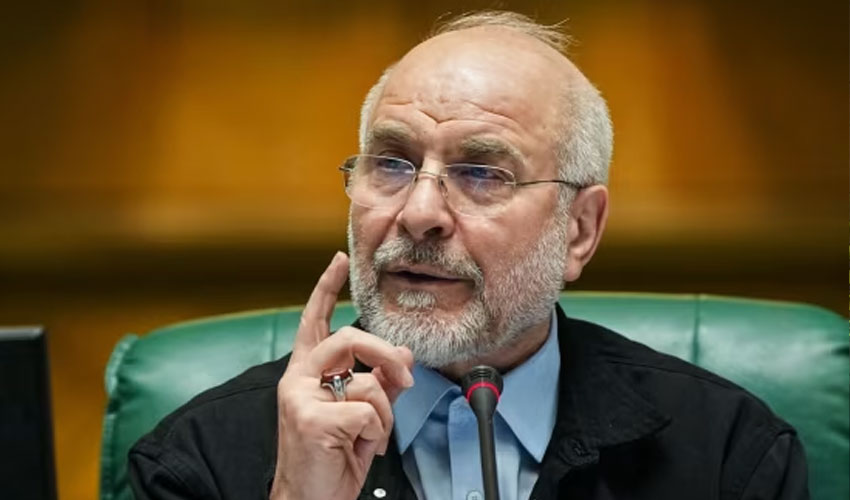
Iran’s parliament speaker and chief negotiator Mohammad Bagher Ghalibaf has accused US President Donald Trump of conducting “theatre diplomacy” by repeatedly threatening military action against Tehran before turning to negotiations.
In a post on X, Ghalibaf criticised what he described as Washington’s strategy of moving between threats of attacks and offers of dialogue, calling it a failed attempt to pressure Iran.
“Massive attack coming… wait, never mind, they want to negotiate. That’s theater diplomacy on loop,” Ghalibaf wrote.
He urged the United States to “acknowledge the facts” and honour its commitments, saying the use of threats, broken promises and misinformation would not succeed.
Trump claims deal is close
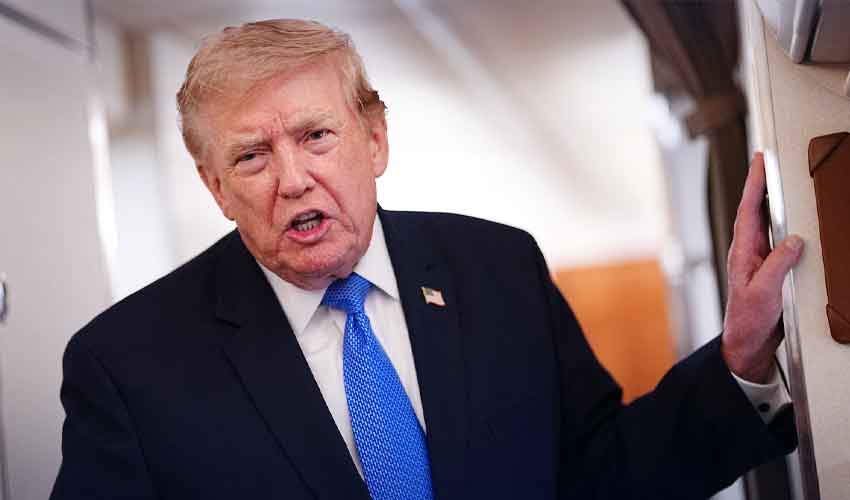
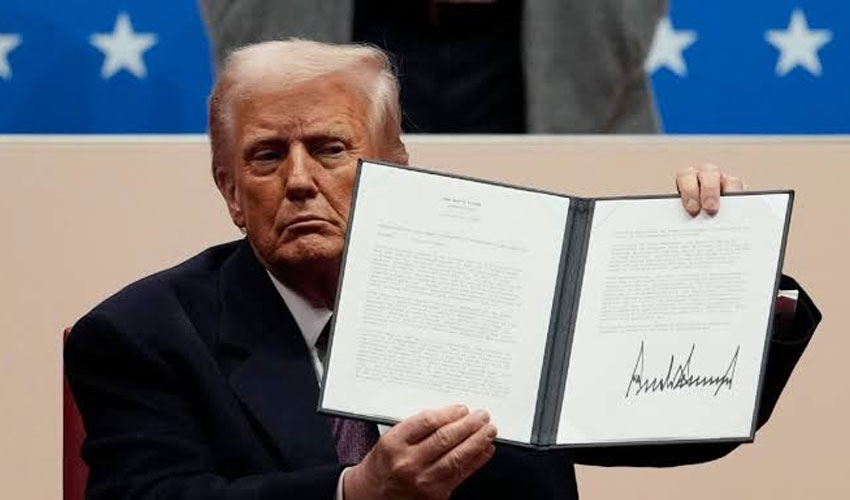
The remarks came after Trump said he had cancelled a planned large-scale attack on Iran, claiming that diplomatic progress had been made and that the “perimeters of a deal” were already agreed upon.
Speaking to reporters, Trump said he believed the conflict would end soon.
“I think it’s going to end pretty soon. I don’t think they can go much longer,” Trump said.
He added that he was personally involved in negotiations with Tehran and expressed confidence in the talks.
Strait of Hormuz talks
The dispute comes as Iran and Oman continue discussions over reopening the Strait of Hormuz, a key global energy route.
Tehran has said a deal on routes through the waterway is close to being finalised after both sides agreed on technical details.
The strait was previously a major international shipping passage before regional tensions escalated following US and Israeli strikes on Iran. The subsequent closure of the waterway and attacks on energy infrastructure contributed to rising oil prices.
Iran says it is prepared for long conflict
While Trump has repeatedly claimed Iran has been weakened and the war is nearing an end, Iranian officials have said they are prepared for a prolonged confrontation.
The latest exchange highlights continued differences between Washington and Tehran over the state of negotiations and the future of the conflict.