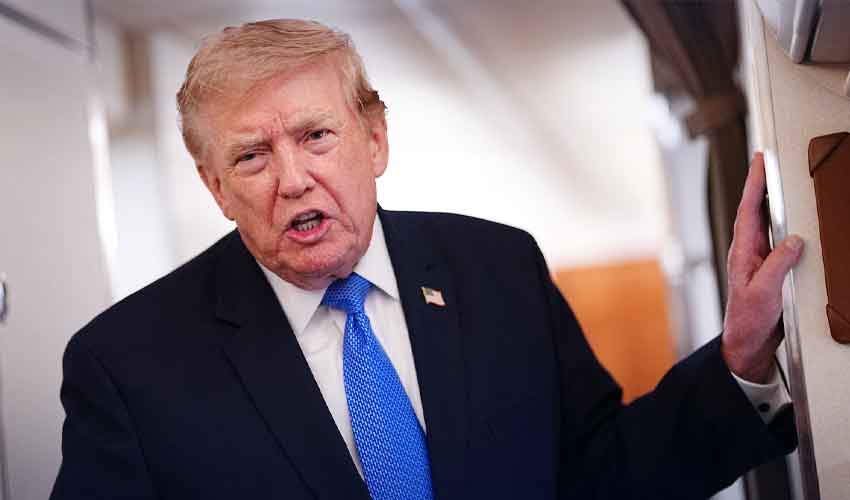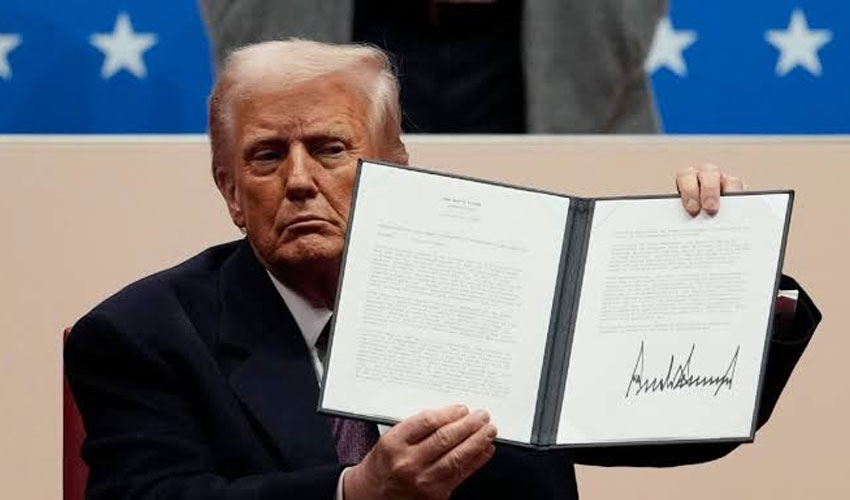
U.S. President Donald Trump has signed two new executive orders aimed at limiting birthright citizenship, renewing a key immigration policy despite the Supreme Court recently ruling against his broader attempt.
The new directives take a narrower approach by targeting what the White House describes as "birth tourism," where pregnant foreign nationals travel to the United States to give birth so their children automatically receive U.S. citizenship.
Trump signed the orders after the Supreme Court struck down his earlier executive order on June 30, ruling that it violated the Constitution. The previous measure sought to deny automatic citizenship to children born in the U.S. to parents who were in the country illegally or temporarily.
Orders target birth tourism
The White House argues the latest executive orders differ from the earlier proposal because they reinterpret existing exceptions to birthright citizenship rather than broadly ending the constitutional guarantee.
White House Deputy Chief of Staff Stephen Miller said the new policy effectively bans birth tourism.
The orders also seek to restrict citizenship rights for children born to foreign government employees in the United States and those classified as "alien enemies." They could also affect births in U.S. territories if Congress passes related legislation.
Fresh legal battle expected
Immigration advocates and legal experts expect the new executive orders to face immediate legal challenges, arguing they attempt to bypass the Supreme Court's ruling.
The American Civil Liberties Union (ACLU) said the orders are unlikely to survive in court, while advocacy groups warned they could undermine constitutional protections guaranteed under the 14th Amendment.
Former Biden administration official Deborah Fleischaker said the Supreme Court had already made clear that birthright citizenship is protected by the Constitution and cannot be changed through presidential action.
Trump criticises Supreme Court ruling
Speaking at the White House, Trump called the Supreme Court's decision "a very unfortunate decision" and argued that businesses had emerged around birth tourism.
He also claimed the Citizenship Clause of the 14th Amendment was intended for formerly enslaved people after the Civil War rather than for modern immigration cases.
However, in its June ruling, the Supreme Court reaffirmed that the 14th Amendment guarantees citizenship to nearly everyone born on U.S. soil, with only limited historical exceptions such as children of foreign diplomats or enemy occupying forces.