Saudi Arabia has unveiled plans to establish a multinational maritime defence coalition to protect international shipping and energy supply routes in the Red Sea following continued attacks by Yemen's Iran-aligned Houthi movement.
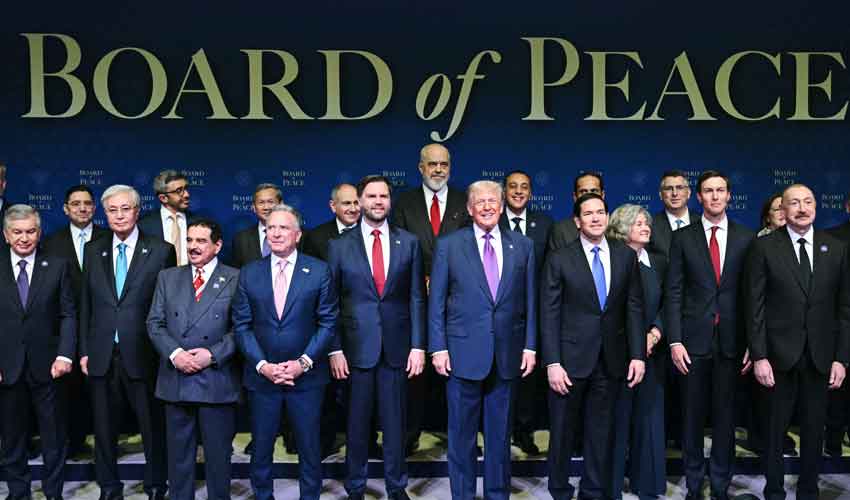
The proposal was announced on Thursday after an international meeting attended by representatives from 43 countries and the European Union, where participants discussed creating a Saudi-led coalition with its headquarters based in the kingdom.
According to the Saudi Ministry of Defence, the proposed alliance would strengthen maritime security, safeguard freedom of navigation, secure global trade routes and protect energy supply lines across the Bab el-Mandeb Strait and the Gulf of Aden.
Pakistan among supporting countries
Saudi Arabia said 14 countries issued a joint statement backing the initiative, including Pakistan, Türkiye, Egypt, Sudan and Djibouti.
Among the Gulf Cooperation Council (GCC) states, Oman and the United Arab Emirates (UAE) were not listed among the countries supporting the joint statement.
The announcement follows reports that Riyadh has been seeking to build an international coalition to counter growing threats to commercial shipping in the Red Sea.
Response to Houthi attacks
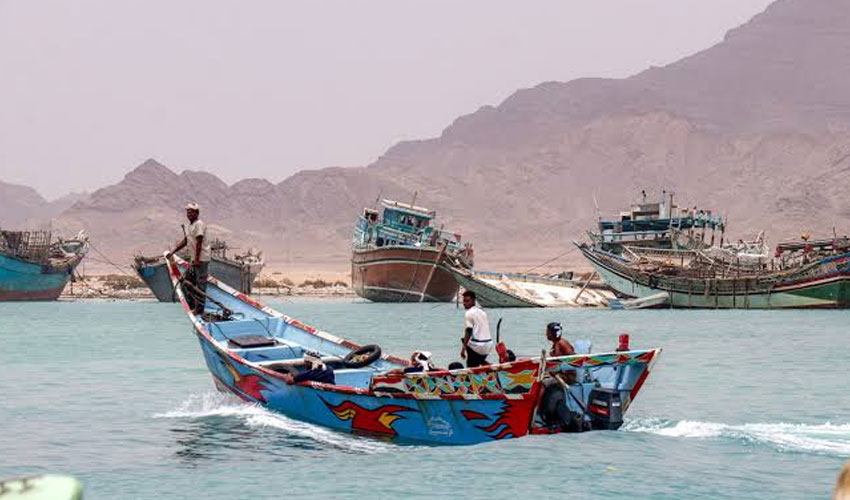
The proposed coalition comes after the Houthis announced on July 20 that they would impose a naval blockade on Saudi Arabia in the Red Sea and subsequently claimed responsibility for a series of attacks on Saudi-linked vessels.
Saudi Arabia has responded with air strikes targeting what it described as Houthi military facilities in Yemen's Hodeidah province that were allegedly being used to threaten commercial shipping.
The escalating maritime tensions have become another front in the broader regional conflict involving Iran, contributing to disruptions in global trade and upward pressure on oil prices.
Strategic waterway
The Bab el-Mandeb Strait, which connects the southern Red Sea with the Gulf of Aden and the Indian Ocean, is one of the world's most strategically important maritime chokepoints, handling a significant share of global trade and energy shipments.
The European Union has maintained a naval mission in the Red Sea since 2024 to help protect freedom of navigation after repeated attacks on commercial vessels disrupted shipping through the corridor.