






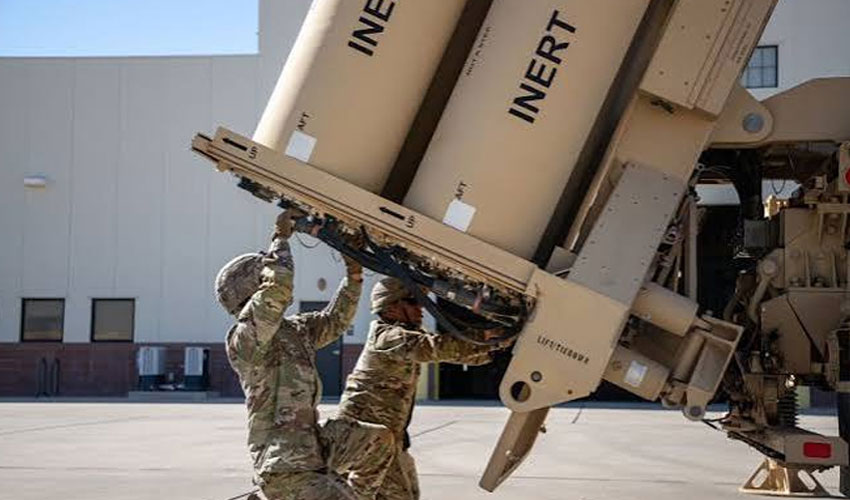
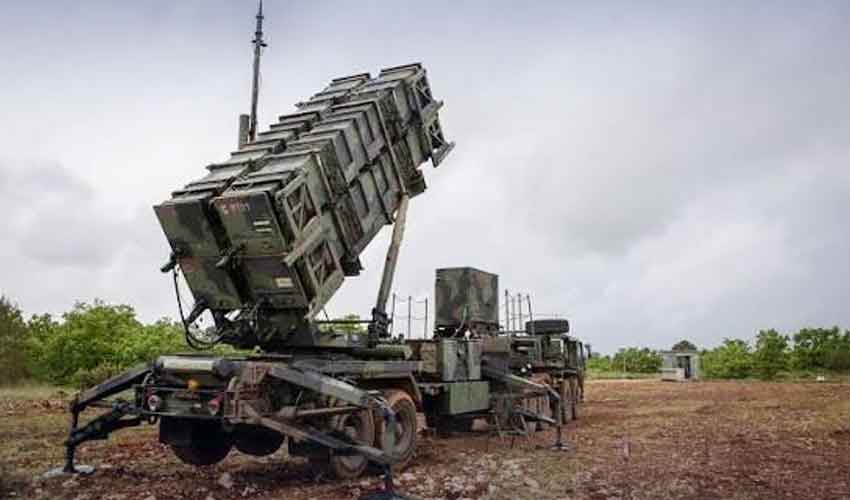
The United States has significantly depleted its inventories of Patriot and THAAD missile interceptors following military operations against Iran, according to a new analysis by the Center for Strategic and International Studies (CSIS).
The report said the extensive use of air defence systems during Operation Epic Fury and subsequent operations has reduced interceptor stockpiles, potentially affecting US readiness for future conflicts.
According to CSIS estimates based on the US Department of Defense's FY2027 budget documents and publicly available information, the US had approximately 2,330 Patriot interceptors before the conflict. That number fell to an estimated 759 to 827 by the April 8 ceasefire and remained at similar levels as of July 27 after accounting for additional use and new deliveries.
"U.S. forces fired many air defense munitions during the first phase of Operation Epic Fury. Resumption of combat operations has further reduced inventories, though Iranian launches have so far been lower than before the ceasefire," write Mark Cancian and Chris Park.
— CSIS (@CSIS) July 29, 2026
Read more:… pic.twitter.com/frjBclxWZr
For the Terminal High Altitude Area Defense (THAAD) system, the report estimated inventories declined from 452 interceptors before the war to between 234 and 278 by the ceasefire. Although additional deliveries increased stocks after the ceasefire, inventories remain substantially below prewar levels.
Readiness concerns
CSIS said the US-led air defence campaign achieved high interception rates despite some Iranian missile attacks penetrating defences and causing casualties and damage to military facilities.
However, the think tank warned that reduced interceptor inventories could force the United States and its allies to adopt greater risks in future missile defence operations.
"There are no good alternatives to Patriot and THAAD for ballistic missile defence," the report said, noting that US Navy vessels equipped with Standard Missiles are often positioned too far away to provide comparable protection.
The analysis also cautioned that depleted interceptor stockpiles could affect US preparedness for a potential conflict in the Indo-Pacific, particularly against China.
Analyst says high-end munitions are running low
Ryan Bohl, a senior Middle East analyst at RANE Network, told Al Jazeera that the United States is "seriously running low" on advanced air defence munitions.
He said high-end systems such as THAAD interceptors are becoming scarce, with Pentagon planners reportedly concerned about maintaining adequate supplies.
Bohl added that while the US still possesses large stocks of conventional unguided bombs, employing those weapons would require aircraft to operate deeper inside hostile airspace, increasing operational risks.
Increased defence spending
The CSIS report noted that the Trump administration's proposed $95 billion request for munitions in the FY2027 defence budget, along with an additional $21 billion supplemental war funding request, reflects growing concern over replenishing US missile stockpiles.








.jpg)







