A disruption in oil supply could push inflation from 8.8 per cent to as high as 12 per cent, according to a study issued by the Pakistan Institute of Development Economics on the possible economic impact of a closure of the Strait of Hormuz.
The report said that around 20 million barrels of oil pass daily through the Hormuz route, and any interruption in supply may lead to an immediate rise in prices, affecting inflation and the external account in Pakistan.
It added that within six months inflation may reach 8.8 per cent, rising to 10.4 per cent under a moderate shock, while a severe shock could take it up to 12 per cent.
Pakistan’s monthly oil import bill may increase by $384 million, while the annual current account may shift from a surplus to a deficit of $4.6 billion.
The report added that 22 per cent of Pakistan’s imports comprise energy products, and that shipping costs, insurance, depreciation of the rupee and taxation may further raise prices.
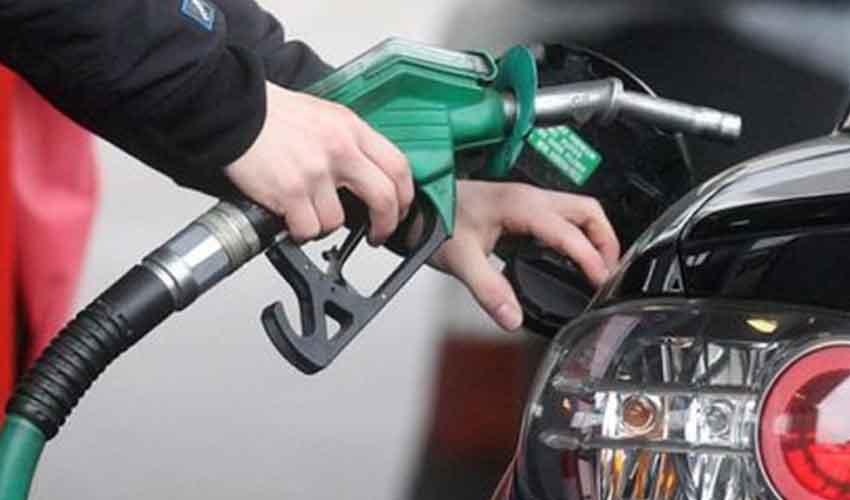
Moreover, the PIDE has also recommended emergency policy measures to mitigate the adverse effects, noting that diesel used in transport, agriculture and food sectors remains of particular importance.
The report has called for close monitoring of fuel pricing, especially diesel, adding that improvements in the supply chain may reduce reliance on diesel.


.jpg)



.jpg)