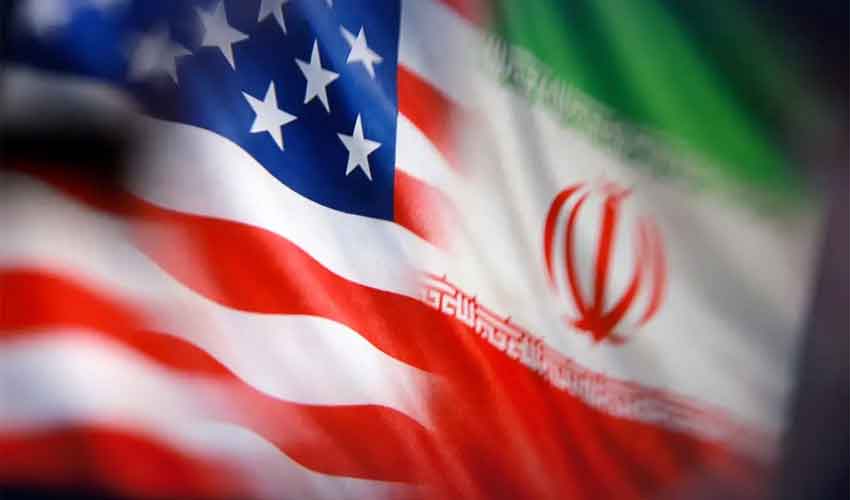
The ongoing war in the Middle East, involving the United States and Israel against Iran, is putting the Persian Gulf’s rich but fragile marine ecosystem under severe threat, from sea turtles and birds to the vulnerable dugong.
Even before the conflict escalated at the end of February, the Gulf’s environment was under pressure from climate change and heavy maritime traffic. Since the outbreak of war, the Conflict and Environment Observatory has documented more than 300 incidents posing environmental risks, including attacks on oil tankers, according to its March 10 report.
The Gulf’s geography makes its ecosystem particularly vulnerable. The semi-enclosed, shallow sea—averaging around 50 meters deep—is connected to the Indian Ocean through the Strait of Hormuz, and its slow water renewal, taking two to five years, limits the natural dispersal of oil or other pollutants.
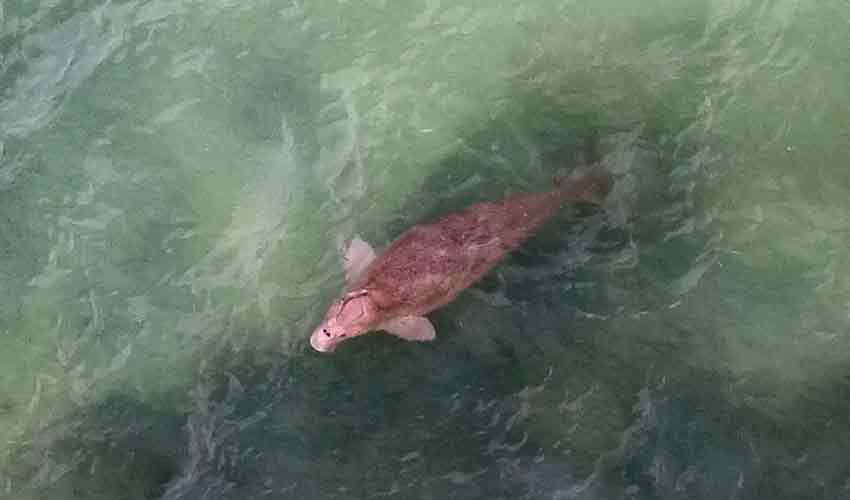
The region is home to the world’s second-largest population of dugong, estimated at 5,000 to 7,500 individuals, alongside about a dozen other marine mammals, including humpback whales and whale sharks.
In total, more than 2,000 marine species inhabit these warm waters, including over 500 fish species, five sea turtle species—including the critically endangered hawksbill—and roughly 100 coral species, which, along with mangroves and seagrass beds, provide vital breeding and nursery habitats.
Environmental groups warn of an “ecological ticking time bomb.” Greenpeace Germany’s Nina Noelle highlighted that dozens of oil tankers carrying around 21 billion litres of oil are trapped in the Gulf.
Since March 1, nine incidents involving oil tankers have been reported to the UK Maritime Trade Operations, eight of which were later confirmed by the International Maritime Organisation. Additional attacks have been claimed by Iran’s Islamic Revolutionary Guard Corps, though these remain unverified internationally.
On land, Abbas Araghchi described Israeli strikes on Tehran fuel depots as “ecocide,” warning that contamination of soil and groundwater could create long-term public health risks.
Experts note that the Gulf’s ecosystems are highly exposed to war-related pollution. Doug Weir, director of CEOBS, recalled the 1991 Gulf War, when retreating Iraqi forces caused one of the largest marine oil spills in history, releasing up to 11 million barrels of oil and contaminating 640 kilometres of coastline, killing more than 30,000 seabirds.
While coral reefs are generally less affected by surface oil, intertidal areas like salt marshes and mudflats are highly vulnerable, says John Burt, biology professor at the Mubadala Arabian Centre for Climate and Environmental Sciences. Oil can devastate these coastal systems, while seabirds are particularly at risk because oil destroys feather waterproofing, leading to hypothermia and drowning.
Explosive devices and bomb noise also pose a serious threat to marine and bird life. Acoustic disturbances from underwater blasts and military sonar can disorient sea mammals and disrupt migration patterns for birds traveling along the Gulf’s crucial Eurasian-African flyways.
Environmentalists warn that without immediate attention, the combined impact of war, oil spills, and maritime hazards could leave long-lasting damage on one of the world’s most biodiverse marine regions.



.jpg)