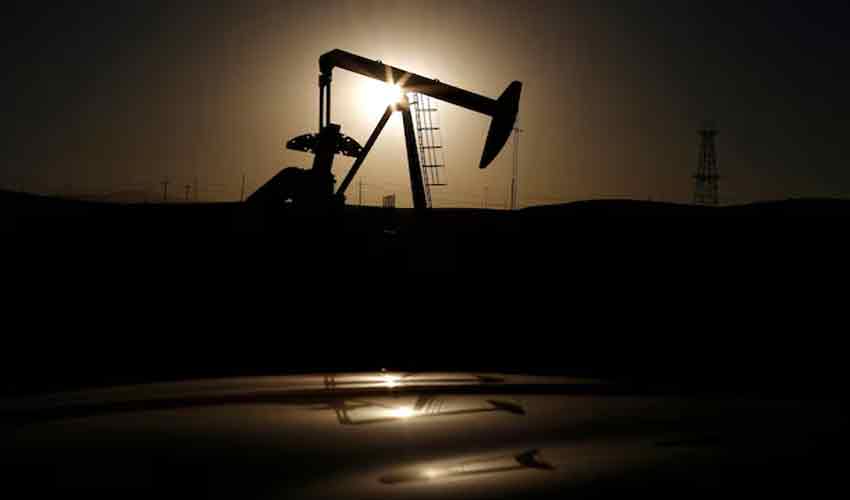
The ongoing conflict in the Middle East is causing the most severe disruption to global oil supplies in history, the International Energy Agency (IEA) warned Thursday, a day after it announced a record release of strategic reserves to ease shortages and tame surging prices.
According to the IEA’s latest monthly oil market report, global supply is projected to fall by 8 million barrels per day in March—nearly 8% of world demand—following the closure of the Strait of Hormuz since U.S. and Israeli airstrikes on Iran began on February 28.
This represents a stark reversal from earlier IEA forecasts, which had predicted a substantial surplus in the first quarter of 2026. The agency noted, however, that supply could recover in April as Gulf producers seek alternative export routes bypassing the Strait, and overall production for the year is still expected to outpace global demand.
Gulf Production Slashed Amid Conflict
Oil prices surged Thursday as Iran intensified attacks on energy and transport infrastructure across the region, stoking fears of prolonged disruptions. Brent crude, which reached $119.50 per barrel earlier this week, was trading just below $97 on Thursday, up 5%.
The IEA reported that Middle Eastern producers, including Iraq, Qatar, Kuwait, the UAE, and Saudi Arabia, have collectively reduced production by at least 10 million barrels per day. The agency warned that restoring output could take weeks or months depending on field complexity and logistical challenges.
Record Release from Strategic Reserves
To counter the supply shock, the IEA announced a historic release of 400 million barrels from member countries’ strategic reserves. Executive Director Fatih Birol described the move as having an immediate “strong impact” on markets, noting that the global energy situation remains “extremely critical.”
The conflict has also dented demand, with airlines cancelling flights and higher prices and economic uncertainty slowing consumption. Global demand is now forecast to be roughly 1 million barrels per day lower than earlier estimates for March and April, while 2026 demand growth is projected at 640,000 bpd—down 210,000 bpd from prior forecasts.
Outlook for 2026
Despite the March disruptions, the IEA still expects world oil supply to grow faster than demand over the year, though at a slower pace than previously predicted. Supply is expected to increase by 1.1 million bpd, compared with an earlier projection of 2.4 million bpd, leaving a surplus of 2.46 million bpd globally, down from last month’s 3.73 million bpd.
Efforts by Saudi Arabia and the UAE to use alternative export routes are expected to partially offset losses and help stabilize global supplies from April through June.


.jpg)




.jpg)