Qatar has warned that all Gulf energy exporters may be forced to halt shipments within weeks if the ongoing conflict with Iran continues, potentially driving oil prices to $150 a barrel, Energy Minister Saad al-Kaabi told the Financial Times.
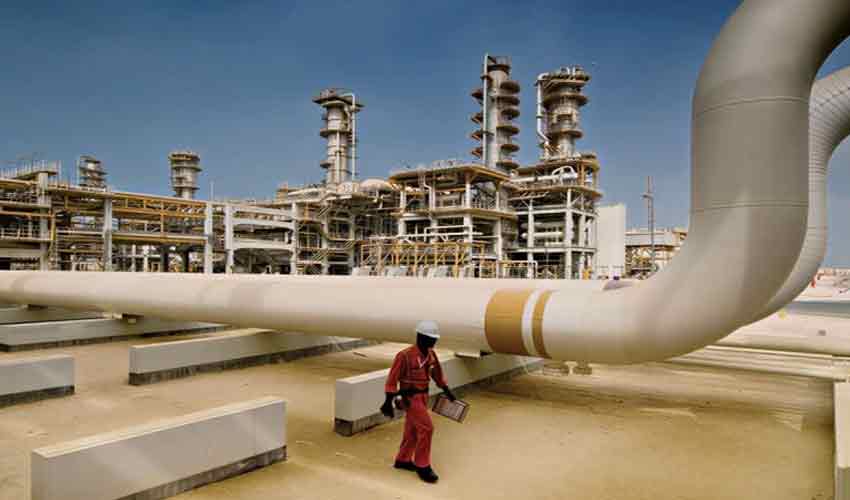
The country stopped its liquefied natural gas (LNG) production on Monday as Iran carried out retaliatory strikes on Gulf nations following attacks by Israel and the United States. Qatar’s LNG output accounts for about 20% of global supply, playing a critical role in meeting demand across Asia and Europe.
“Everyone who has not already declared force majeure is expected to do so in the coming days if this continues. All Gulf exporters will have to declare force majeure,” Kaabi said.
He warned that a prolonged conflict could impact global GDP growth and drive energy prices higher. “There will be shortages of certain products, and a chain reaction will affect factories unable to supply,” Kaabi added.
Even if the conflict ends immediately, he noted that Qatar could take weeks to months to resume normal LNG deliveries. Analysts have also highlighted the broader economic risks posed by disruptions in Gulf energy supply.
Kaabi, who is also CEO of QatarEnergy, said the war would delay the company’s North Field expansion project, which was slated to begin production in mid-2026. “If operations resume in a week, the effect is minimal; if it takes a month or two, the impact will be significant,” he said.
He predicted that crude oil prices could surge to $150 per barrel if shipping through the Strait of Hormuz—the key oil export route linking Gulf producers to the Arabian Sea—is disrupted. Gas prices are also expected to rise, potentially reaching $40 per million British thermal units.



.jpg)