Prime Minister Shehbaz Sharif has ordered strict action against petrol pumps and individuals involved in hoarding petroleum products or creating artificial shortages, warning that licenses of violating pumps will be cancelled.
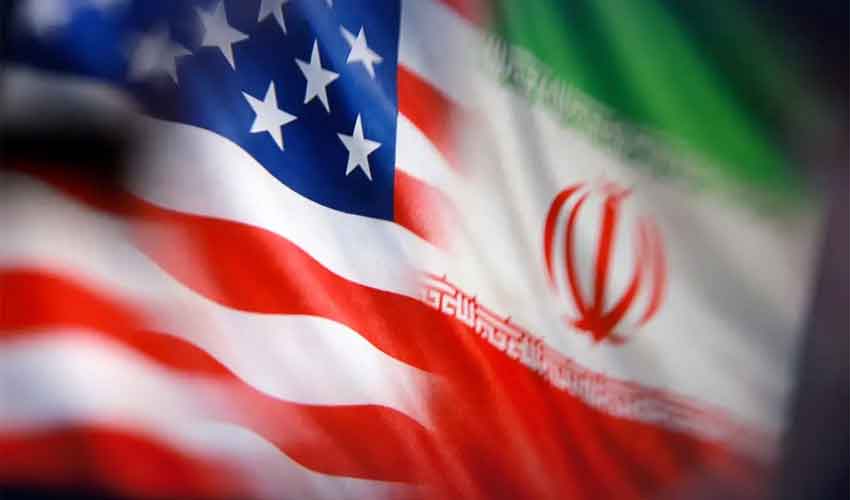
The directives were issued during a high-level meeting chaired by the prime minister to review petroleum product stocks, consumption, and supply amid regional tensions.
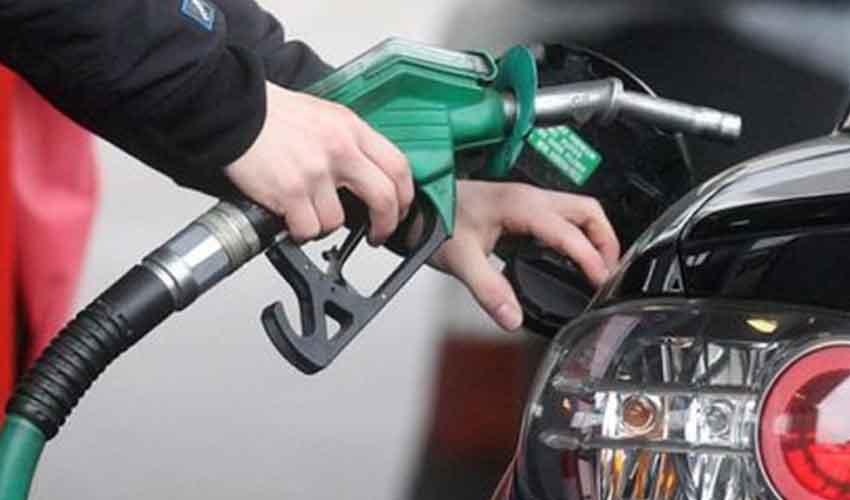
During the meeting, Prime Minister Shehbaz Sharif directed authorities to take strict legal action against those hoarding petroleum products or creating artificial shortages in the market. He said petrol pumps involved in such activities should be closed immediately, and their licenses must be cancelled.
Calling it a “heinous business,” the prime minister stressed that the government will not tolerate any attempt to manipulate fuel supply or exploit the situation.
Adequate petroleum stock available
Officials from the Ministry of Petroleum gave a detailed briefing during the meeting regarding the country’s fuel reserves. According to the briefing, Pakistan currently has adequate stocks of petroleum products to meet national demand.
The meeting was held to assess the potential impact of regional tensions on energy supply and ensure that the country’s fuel distribution system remains stable.
Real-time monitoring
To improve monitoring of petroleum supply, the prime minister directed authorities to create a special real-time dashboard for tracking the movement of petroleum products across the country. He instructed that real-time data should be shared with provincial governments through this digital system.
The dashboard will allow authorities to monitor supply chains more effectively and ensure uninterrupted distribution of fuel.
Prime Minister Sharif also directed the petroleum minister to visit all provinces. He said the federal government should work with provincial authorities to develop effective planning for saving petroleum products and ensuring continuous supply.
The move aims to strengthen coordination between the federal and provincial governments during periods of market uncertainty.
Energy conservation measures
During the meeting, Finance Minister Muhammad Aurangzeb briefed the prime minister on proposals aimed at reducing fuel consumption.
Officials informed the meeting that a plan has been prepared to reduce working days for offices, educational institutions, and service providers. The proposal also includes introducing virtual education systems in educational institutions and implementing work-from-home arrangements for offices.
According to the briefing, these measures will help optimize fuel consumption, manage demand, and ensure effective use of petroleum stocks.
Weekly fuel price adjustment plan
The meeting was also informed that a mechanism is being considered to adjust petroleum product prices on a weekly basis. Authorities said this approach could help respond more quickly to changes in global energy markets and domestic demand.
The meeting was attended by several senior government officials and ministers. Participants included Deputy Prime Minister Ishaq Dar, Federal Minister Jam Kamal, Finance Minister Muhammad Aurangzeb, and Information Minister Attaullah Tarar.
Also present were federal ministers Ali Pervaiz Malik, Owais Khan Leghari, and Ahad Cheema, along with Minister of State Bilal Azhar Kayani, Special Assistant Haroon Akhtar, and State Bank Governor Jamil Ahmed.
In addition, chief secretaries of all four provinces, Azad Kashmir, and Gilgit-Baltistan, as well as senior government officials, attended the meeting.
Uninterrupted fuel supply
Prime Minister Shehbaz Sharif emphasized that the government will ensure uninterrupted supply of petroleum products across the country.
He reiterated that strict oversight and coordination with provinces will help prevent shortages and maintain stability in the fuel market.




.gif)
.jpg)