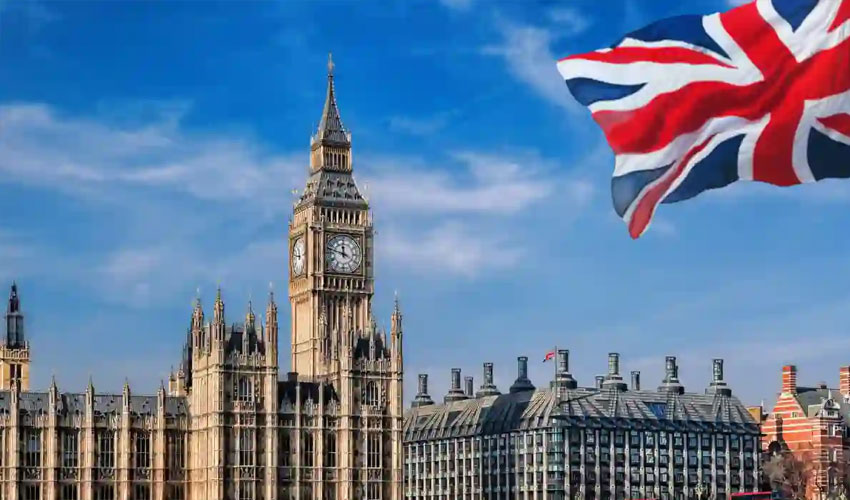
The UK government has announced it will block study visas for nationals from Afghanistan, Cameroon, Myanmar, and Sudan, and halt work visas for Afghans.
Officials say the move is intended to address a sharp rise in legal-route asylum claims and pressure on public resources.
The Interior Ministry described the policy as an “emergency brake” to prevent abuse of the UK’s visa system.
Asylum applications by students from the four affected countries rose more than fivefold between 2021 and 2025. Work visa claims from Afghans now exceed the number of visas issued.
“Britain will always provide refuge to people fleeing war and persecution, but our visa system must not be abused,” said Interior Minister Shabana Mahmood.
Rising asylum numbers
Legal-route asylum claims have more than trebled since 2021, accounting for 39% of the 100,000 people who applied last year.
Nearly 16,000 nationals from the four listed countries are currently receiving public support, with over 6,000 housed in hotels. The government estimates asylum accommodation costs at £4 billion ($5.34 billion) annually.
The restrictions are set to take effect on March 26. Authorities plan to introduce new capped “safe and legal routes” once the system stabilizes.
Background on UK asylum policies
Since 2021, the UK has granted sanctuary to more than 37,000 Afghans via resettlement schemes and issued about 190,000 humanitarian visas in 2025.
The government has secured cooperation from Angola, Namibia, and the Democratic Republic of Congo on returns, following warnings that nationals could lose UK visa access.
Prime Minister Keir Starmer has repeatedly stated that Britain’s asylum rules are comparatively permissive in Europe, attracting people seeking refuge and creating a “pull factor.”
Immigration remains a politically sensitive issue in Britain, especially as the populist Reform UK party gains traction.
The government previously announced plans to make refugee status temporary and accelerate removals for those entering illegally, highlighting its effort to tighten the system amid public and fiscal pressures.


.gif)
.jpg)