







A severe heatwave continued to grip much of Europe on Thursday, prompting Italy to place all its major cities under the highest health alert while several countries introduced emergency measures to cope with soaring temperatures, drought and mounting pressure on energy supplies.
Italy's Health Ministry issued red alerts across the country, from Palermo in Sicily to Bolzano in the north, warning that prolonged extreme heat posed a serious health risk to the entire population.
Authorities introduced measures to help residents cope with the heat. In Genoa, people aged 65 and above can visit museums and libraries free of charge during the hottest hours of the day throughout August. Rome also extended its programme of free screenings in air-conditioned cinemas until August 14.
The northwestern Piedmont region declared a state of emergency because of severe drought and an increased risk of wildfires as rivers fell to historic lows.
Record temperatures and energy pressure
Austria recorded a new national temperature high of 41.2°C (106.2°F) on Wednesday, underscoring the intensity of the heatwave that has swept across the continent.
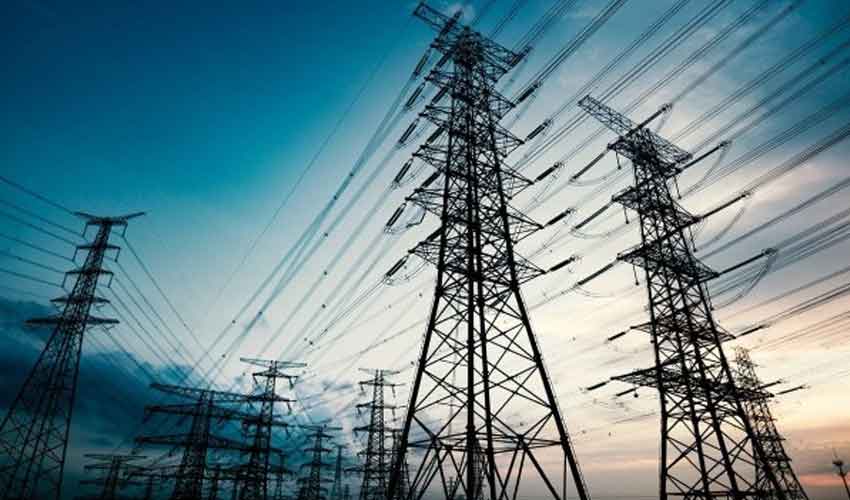
In Hungary, authorities switched off decorative and non-essential lighting at state institutions, including Parliament, Buda Castle and the Chain Bridge, to reduce electricity consumption.
The country's only nuclear power plant has significantly reduced operations because record-low water levels in the Danube River have limited its cooling capacity, placing additional strain on the national power grid.
Romania also faced similar challenges, with authorities preparing to place four rock-filled barges in the Danube to divert water toward its only operational nuclear reactor and extend its operation.
In Bucharest, officials reduced streetlight brightness by one-third and turned off lighting at landmark buildings and museums overnight to conserve energy.
Low rivers disrupt transport
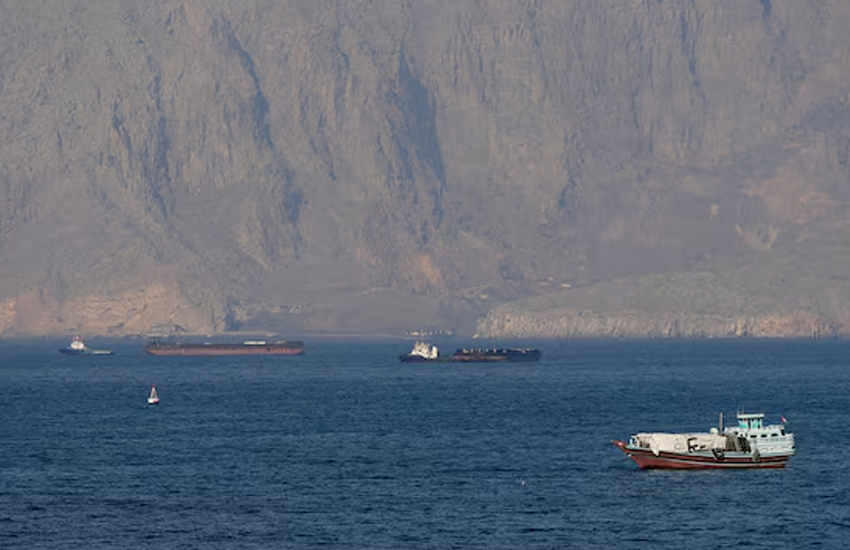
Exceptionally low water levels have also disrupted commercial shipping along Germany's Rhine River, forcing many vessels to operate with reduced cargo loads and increasing transportation costs for commodities such as grain, coal, minerals and petroleum products.
Tourists seek refuge underground
In Bosnia and Herzegovina, visitors sought relief from temperatures approaching 40°C (104°F) by visiting the UNESCO-listed Vjetrenica Cave.
Located about 25 kilometres north of Dubrovnik, the cave maintains a constant temperature of 11°C (51.8°F) throughout the year, making it a popular refuge from the extreme summer heat while also protecting its unique biodiversity.
Scientists have warned that Europe remains the world's fastest-warming continent, with increasingly frequent and intense heatwaves linked to climate change placing growing pressure on public health, infrastructure and energy systems.










.jpg)







