Asian markets climbed on Wednesday as investors regained confidence following tech-led Wall Street gains, even as the US, Israel, and Iran continued military strikes in the Middle East.
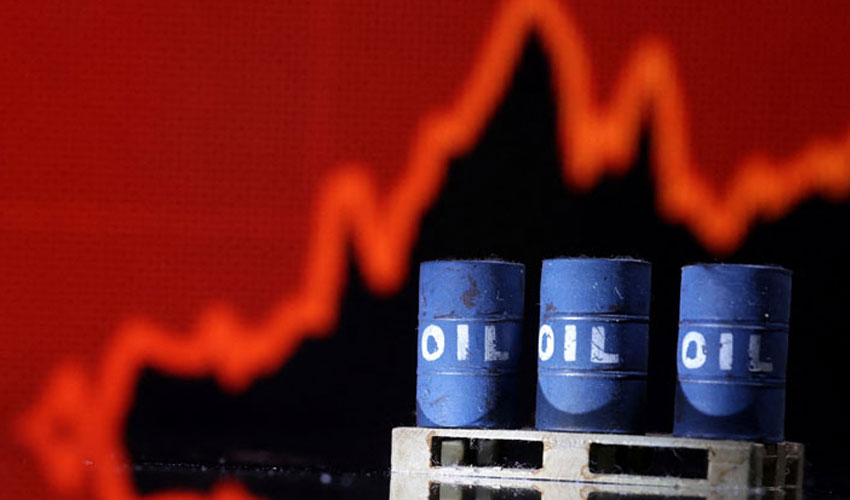
Oil prices remained near $100 per barrel, reflecting persistent regional risks.
Oil remained volatile amid Middle East hostilities, with West Texas Intermediate (WTI) falling about 1% to $95 and Brent crude dipping 0.8% to around $102. Despite the decline, prices are still elevated due to disruptions near the Strait of Hormuz, a key transit point for global oil and gas.
Equity markets saw renewed buying as traders shifted back after early conflict-driven losses. Seoul surged over 3% on gains in Samsung and SK hynix, while Tokyo rose more than 2%. Other markets in Taipei, Sydney, Singapore, and Wellington also rallied, though Hong Kong and Shanghai experienced minor dips.
Analysts noted that markets were cautiously “looking through” geopolitical noise, taking cues from Wall Street’s tech-driven rebound.
Strait of Hormuz tensions
The Strait of Hormuz remains a flashpoint. US forces targeted “hardened Iranian missile sites” with 5,000-pound bombs to keep tanker traffic flowing. Meanwhile, Iran’s actions continue to threaten oil exports and global energy prices.
Rystad Energy estimates that only 12.5 million barrels per day of Middle Eastern oil remain online, down from 21 million pre-war. Analysts warn that continued disruptions could further reduce crude exports in the coming weeks.
Regional strikes and casualties
The conflict has intensified across the region:
-
Israel killed security chief Ali Larijani, a key Iranian figure.
-
Iran retaliated by striking Gulf neighbors and deploying missile attacks.
-
Saudi Arabia intercepted six drones, while Kuwait responded to a rocket and drone attack.
-
Missile strikes near Tel Aviv killed two people, and Israel targeted central Beirut aiming at Hezbollah positions.
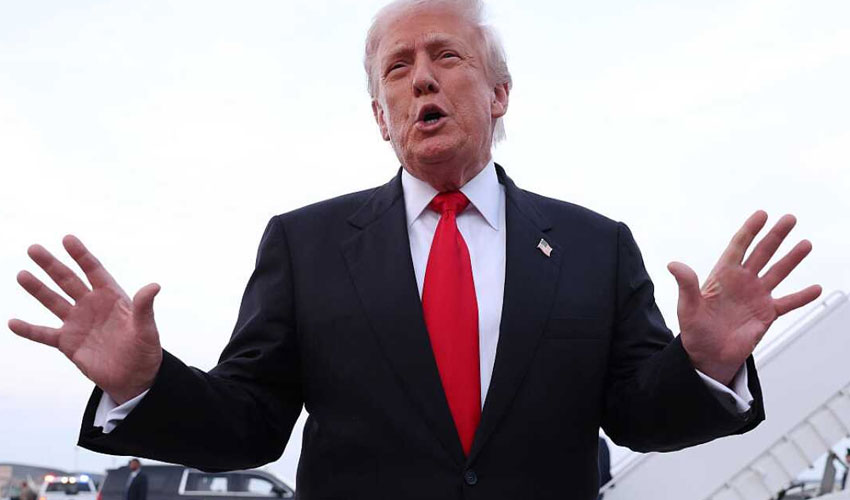
US President Donald Trump expressed frustration that allies were not supporting tanker escorts through Hormuz, highlighting tensions over international involvement.
Analysts warn that prolonged conflict could pressure central banks, as rising energy costs may conflict with efforts to support economic growth via lower interest rates.
Investors are also eyeing the Federal Reserve’s policy meeting, expected to hold borrowing costs steady while releasing updated forecasts, amid speculation that further rate hikes may be required if inflation pressures increase.





.jpg)