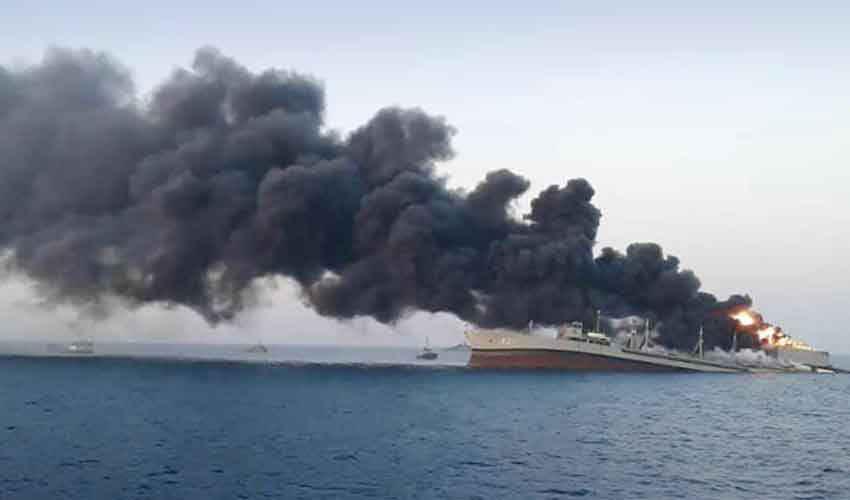
The escalating war between the United States, Israel and Iran widened dramatically on Wednesday after a US submarine sank an Iranian warship near Sri Lanka, killing dozens of sailors.
The attack came as fighting entered its fifth day and global markets reacted to growing fears of a wider regional conflict.
The United States said a submarine torpedoed an Iranian warship near Sri Lanka’s southern coast, marking the first such US submarine strike since World War Two.
According to US Central Command, American forces have “struck or sunk to the bottom of the ocean” more than 20 Iranian ships during the ongoing conflict. The vessel hit near Sri Lanka was identified by a Sri Lankan official as the Iranian frigate IRIS Dena.
The warship had reportedly been sailing back to Iran from eastern India when it was attacked in international waters.
US Defense Secretary Pete Hegseth confirmed the strike during a Pentagon briefing.
“An American submarine sank an Iranian warship that thought it was safe in international waters,” Hegseth said. “Instead, it was sunk by a torpedo. Quiet death.”
A Pentagon video said to capture the strike shows a massive explosion tearing through the rear of the vessel, lifting it partially out of the water before it began sinking from the stern.
Casualties and rescue operations after attack
Authorities in Sri Lanka said the attack killed at least 87 sailors, while search operations are still underway for dozens more missing crew members. The National Hospital in the port city of Galle received the bodies brought in by military rescue teams responding to a distress call from the ship early Wednesday.
Officials said 32 sailors were rescued from the water, 87 bodies were recovered, and around 60 sailors remain missing from the ship’s estimated crew of about 180.
The rescued sailors were being treated for minor injuries and were expected to be discharged from hospital soon. Security was tightened around ward No 58 at the Galle hospital, where nurses and doctors continued treating the survivors.
Authorities confirmed search-and-rescue efforts would continue.
War expands beyond Persian Gulf
The submarine strike dramatically expands the geographical scope of the war.
The incident occurred hundreds of miles across the Indian Ocean, far from the Persian Gulf where the main hostilities between US, Israeli and Iranian forces have been taking place.
The conflict began five days earlier when the United States and Israel launched a major military campaign against Iran. The attacks have already killed hundreds of people and triggered severe disruptions in global energy markets.
Shipping crisis in Strait of Hormuz
Meanwhile, the conflict continues to paralyze shipping through the Strait of Hormuz, one of the world’s most critical energy routes. For a fifth consecutive day, commercial shipping traffic remained largely stalled.
According to Reuters estimates, around 200 vessels remain anchored off the coast, while oil and gas flows from the Middle East have been severely disrupted.
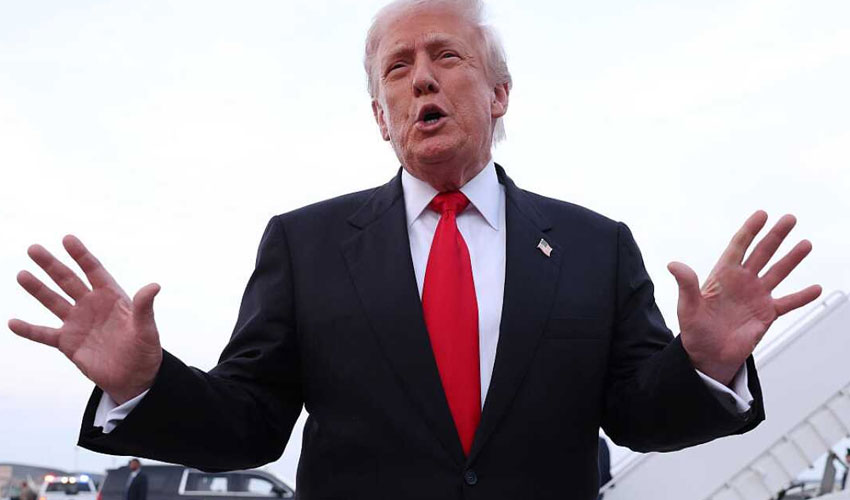
To ease the crisis, US President Donald Trump pledged to provide insurance and naval escorts for ships exporting energy from the region. Despite the assurances, oil prices remained near their highest levels in more than a year.
US officials claim battlefield advantage
At the Pentagon briefing, Defense Secretary Hegseth said the United States and Israel were maintaining relentless pressure on Iranian forces.
“This was never meant to be a fair fight, and it is not a fair fight,” Hegseth said. “We are punching them while they’re down. We can sustain this fight easily for as long as we need to.”
Dan Caine, chairman of the US Joint Chiefs of Staff, said Iran was now launching fewer missiles, indicating that its military capabilities had been significantly weakened.
Israeli strikes intensify in Tehran
Israeli military operations against Iran also continued around the clock. The Israeli army said its aircraft struck a security compound in eastern Tehran that houses several key Iranian security institutions.
The site reportedly included facilities linked to the Revolutionary Guards, intelligence agencies, cyber warfare units, and internal police responsible for suppressing protests.
Israel later announced that it would ease some public safety restrictions between Thursday and Saturday, allowing businesses to open if they are located close to shelters. However, schools will remain closed.
Hezbollah tensions widen conflict to Lebanon
Israel also issued evacuation warnings for residents across southern Lebanon, as tensions with the Iran-backed militant group Hezbollah intensified.
The warning followed Hezbollah’s launch of drones and rockets into Israel on Monday, pulling Lebanon back into the widening regional conflict.
Financial markets across the world reacted sharply to the expanding conflict. Asian markets initially plunged, including a record-breaking crash in Seoul, as investors worried the war could disrupt global energy supplies.
European markets later stabilized after two days of heavy losses, while US stocks closed higher on Wednesday.
The rebound followed a report by The New York Times suggesting that Iranian intelligence had contacted the CIA early in the war about possible pathways to end the conflict.
However, a source from Iran’s intelligence ministry dismissed the report.
Iran’s semi-official Tasnim news agency quoted the source as calling the report “absolute lies and psychological warfare in the midst of war.”
Succession question in Iran adds political tension
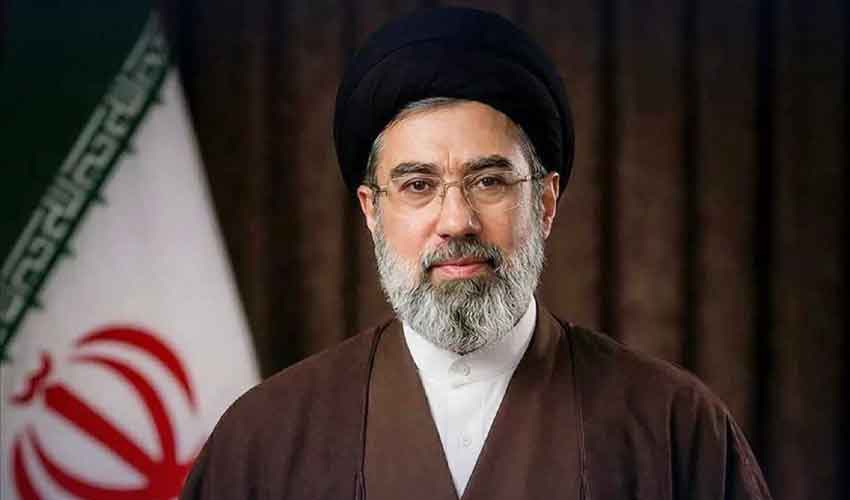
The war is also unfolding amid political uncertainty in Iran. The powerful son of Iran’s slain supreme leader has reportedly emerged as a leading contender to succeed him.
Analysts say the development suggests Tehran is unlikely to yield to international pressure, even as the conflict intensifies.



.jpg)