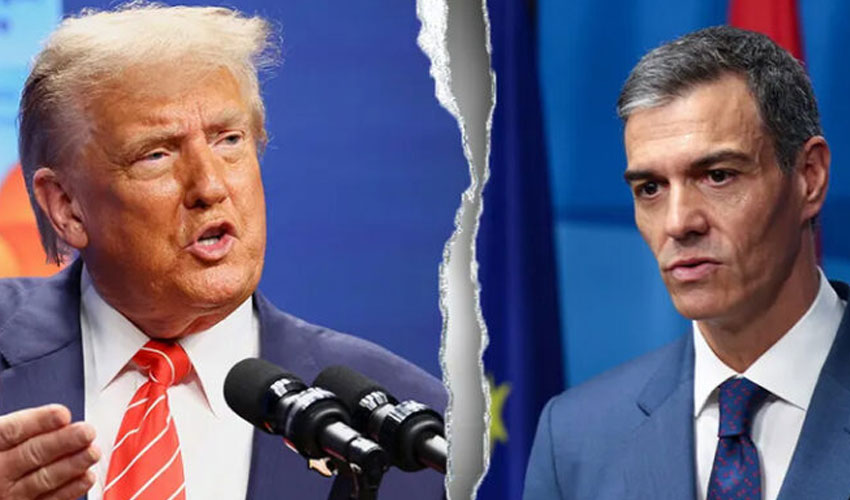
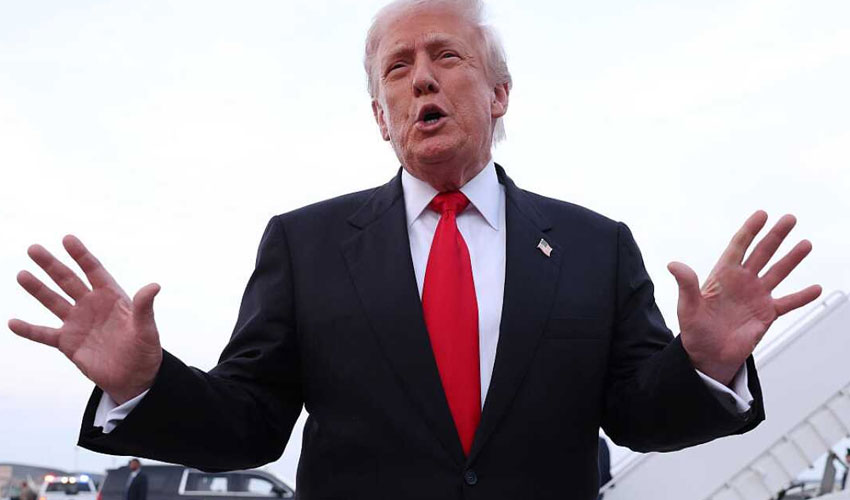
U.S. President Donald Trump has threatened to end all trade with Spain after Madrid denied U.S. access to its military bases for operations against Iran and resisted Trump’s call for NATO allies to spend 5% of GDP on defense.
Trump framed Spain’s refusal as a minor obstacle to U.S. operations, saying, “Spain told us that we can't use their bases and that is alright — we don't need them. If we want, we can just fly in and use it. Nobody is going to tell us not to use it.”
However, he escalated the matter by directly connecting it to trade, instructing officials to “cut off all dealings with Spain” and declaring, “So we're going to cut off all trade with Spain. We don't want anything to do with Spain.”
NATO burden-sharing tensions
Defense spending is another major point of friction. Trump has demanded that NATO allies increase their military spending to 5% of GDP, a figure significantly higher than current contributions. Spain’s resistance to this benchmark drew sharp criticism from the president, who described the country’s overall alliance posture as “terrible.”
These statements underscore ongoing disagreements within NATO over burden-sharing and collective defense responsibilities, particularly as the U.S. seeks to link economic and military leverage.
The threat to cut trade introduces a new dimension to U.S.-Spain relations, intertwining military cooperation with economic policy. Analysts say the dispute highlights broader tensions within NATO, where Washington continues to push allies for increased defense spending while maintaining operational flexibility in global conflicts.
The remarks also signal a willingness by the Trump administration to use economic measures as leverage to enforce alliance expectations, raising concerns about intra-alliance cohesion and diplomatic repercussions.


.jpg)