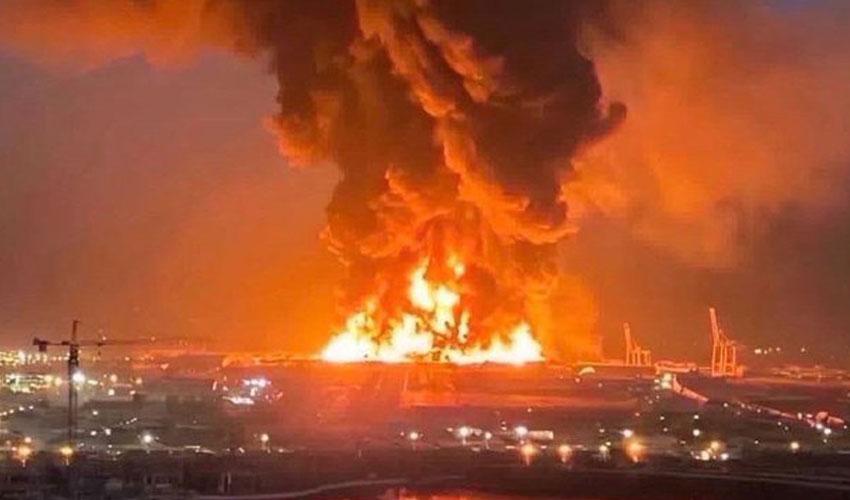
At least 31 people have been killed in Lebanon following retaliatory Israeli airstrikes early Monday in response to a Hezbollah rocket attack, marking a sharp escalation along the Lebanese-Israeli border.
According to the Lebanese Health Ministry, 149 others were injured, though authorities have not released a final breakdown of civilian and combatant casualties.
Israeli strikes targeted Hezbollah positions across southern Lebanon and Beirut’s southern suburbs, known as Dahiyeh, a stronghold of the group. The bombardment began around 2:40 a.m. (0040 GMT), displacing thousands of residents, clogging roads as families fled on foot and by car.
Senior Hezbollah figure killed
Among those reported killed was Mohammad Raad, head of Hezbollah’s parliamentary bloc “The Loyalty for the Resistance,” a key political figure shaping the group’s stance during periods of tension. Israeli and Arab media confirmed his death in the strikes, although the Israeli military has not officially detailed the targeted individuals.
The commander of Israel’s Northern Command said Hezbollah had “chosen the Iranian regime over the State of Lebanon and launched an attack on our citizens,” adding, “We prepared for this, and it will pay a heavy price.”
Hezbollah claims retaliation
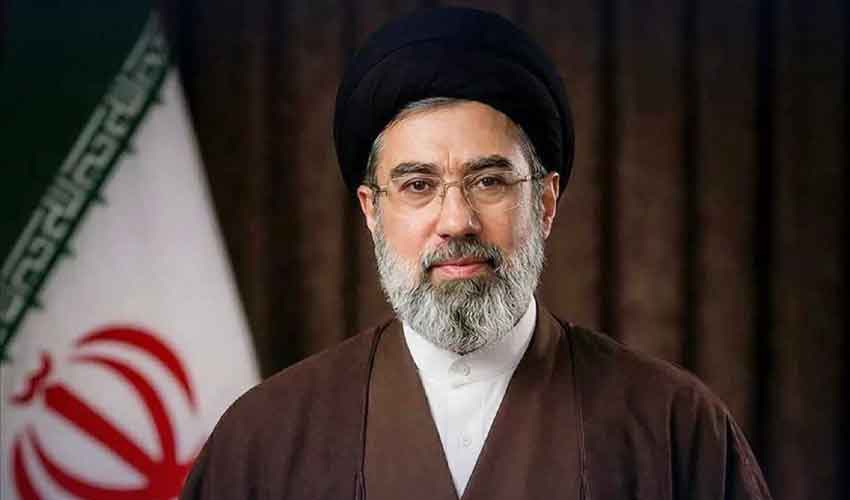
Hezbollah said the missile and drone attacks toward Israel were in retaliation for the martyrdom of Iran’s Supreme Leader Ali Khamenei, describing their actions as revenge for “the pure blood” of their leader. This was the first such attack by Hezbollah since the 2024 war, during which the group was significantly weakened.
Israel confirmed that several projectiles from Lebanon fell in open areas, with one intercepted by its air force, causing no reported injuries or damage. In response, Israeli airstrikes were carried out on southern Lebanon and the Bekaa Valley, marking the heaviest bombardment in Dahiyeh since the killing of Hezbollah military official Ali Tabtabai in November 2024.
The strikes have forced hundreds of thousands of Lebanese civilians to flee their homes, disrupting lives during Ramadan, when Muslims fast from dawn to sunset. Many residents had to abandon pre-dawn meals to evacuate, adding to the chaos in areas already hit repeatedly since last year’s conflict.
Political reactions
-
Lebanese Prime Minister Nawaf Salam condemned missile launches from southern Lebanon as “irresponsible” and warned they jeopardize national security.
-
Lebanon’s presidency said the U.S. ambassador assured that Israel would not escalate further if no hostile acts originate from Lebanon.
-
Israeli Chief of the General Staff Eyal Zamir said Hezbollah “opened a campaign against Israel overnight” and holds the group fully responsible for the escalation.

.jpg)