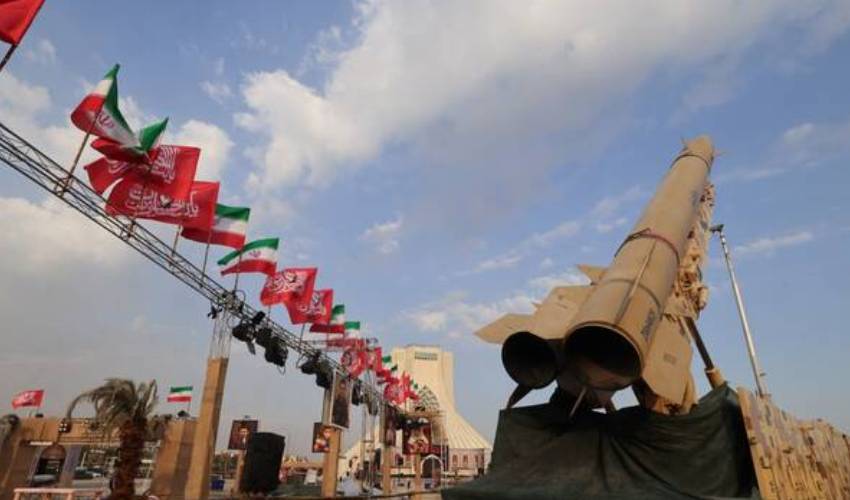
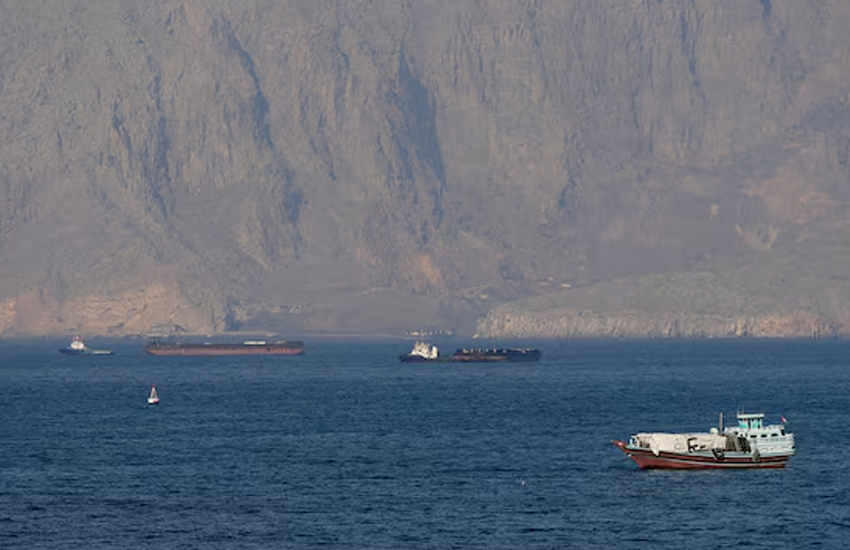
Iran has warned Gulf Arab states that their critical infrastructure could be targeted unless they persuade US President Donald Trump to halt military strikes and return to negotiations, according to a Reuters report citing Iranian, Gulf and regional diplomatic sources.
The report said Tehran delivered the message through a series of high-level diplomatic contacts after Trump threatened on July 28 to target Iran's energy infrastructure.
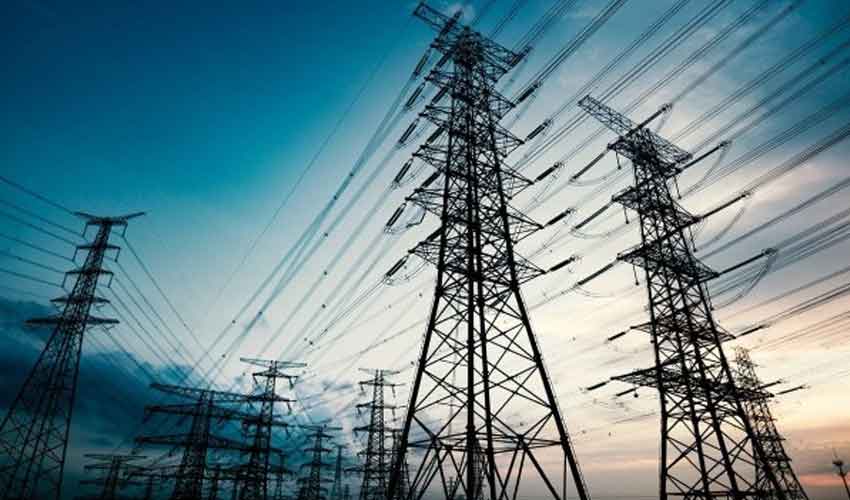
According to Reuters, Iran warned that any renewed US attacks would trigger retaliation against oil fields, refineries, power grids, water facilities, transport networks and other strategic infrastructure in Gulf countries allied with Washington.
Diplomatic outreach
Reuters reported that Iranian Foreign Minister Abbas Araqchi held discussions with his counterparts in Saudi Arabia, Qatar and Türkiye, as well as Pakistan's army chief.
During the conversations, Araqchi urged Gulf states to use their influence with Washington to prevent further US military action and instead support a negotiated settlement.
According to a senior regional diplomat quoted by Reuters, Tehran conveyed the same message in every discussion: while Iran is prepared to retaliate if attacked, diplomacy remains the preferred path to avoid wider regional conflict.
One Gulf source described the warning as "unequivocal", saying Iran had made clear that strikes on its infrastructure would be met with attacks on Gulf energy facilities and other regional targets.
Saudi Arabia urges diplomacy
Reuters reported that Saudi Crown Prince Mohammed bin Salman later spoke with President Trump, urging him to delay military action, pursue a ceasefire and return to negotiations.
While advocating diplomacy, Saudi Arabia also made clear it would defend its territory if attacked, according to one Gulf source cited in the report.
Ali Shihabi, a Saudi analyst close to the Royal Court, said Riyadh believes further escalation would only increase regional instability and that diplomatic efforts, combined with proportionate military responses, offer the best path to resolving the crisis.
Threats to regional infrastructure
Reuters said Iran's warnings were intended for all Gulf states but were primarily communicated through Saudi Arabia and Qatar.
An Iranian official told the news agency that if Iran's infrastructure were attacked, Tehran would respond by targeting Gulf power grids, refineries and other strategic facilities.
The report noted that Iranian leaders have repeatedly called for the closure of US military bases in the Gulf and have opposed intelligence cooperation between Gulf states and Washington.
According to Reuters, Iranian officials believe President Trump now faces a choice between escalating a conflict that could disrupt global energy supplies or pursuing a negotiated settlement.




.jpg)