Pakistan's shift from net metering to net billing has triggered a rapid increase in battery storage adoption, with consumers increasingly choosing to store solar-generated electricity instead of supplying it to the national grid.
According to the Pakistan Batteries Import Market Report, batteries with a combined capacity of 6.004 gigawatts have been imported between January 2024 and July 2026. Imports reached 652.2 megawatts in April 2026 alone, reflecting growing demand for energy storage solutions.
The report shows that consumers have invested approximately Rs126 billion in battery storage over the past 30 months as they seek to reduce reliance on the national grid.
Expensive electricity drives demand
Rising electricity tariffs, uncertainty surrounding solar energy policies and declining battery prices have encouraged thousands of consumers to adopt battery storage systems.
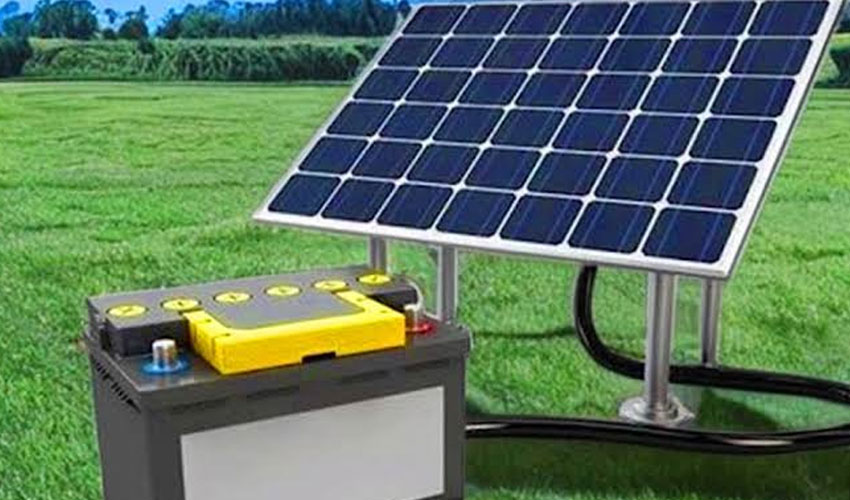
Rather than exporting excess electricity under the revised net billing mechanism, many solar users now charge batteries during the day and use the stored electricity at night, reducing their dependence on grid power.
Currently, around 7,000 megawatts of solar electricity is supplied to the national grid through net metering, while Pakistan's overall non-solar electricity generation capacity stands at approximately 39,000 megawatts.
Meanwhile, transmission and distribution losses continue to weigh on the power sector, with nearly 18% of electricity lost before reaching consumers.
Government preparing battery framework
In response to the rapid growth in battery imports, the government has begun preparing a National Battery Framework aimed at regulating the expanding energy storage sector.
Industry observers say Pakistan's adoption of solar-plus-storage systems is growing faster than many countries in the region as consumers seek greater energy security and lower electricity costs.
Battery prices continue to fall
The global decline in battery prices has made energy storage increasingly affordable.
According to international estimates, battery pack prices fell from $151 per kilowatt-hour in 2022 to $70 per kilowatt-hour in 2025, significantly reducing the cost of residential and commercial storage systems.
Global forecasts also suggest that installed energy storage capacity could reach 1.5 million megawatts by 2030, highlighting the growing role of batteries in future energy systems.
Experts say the combination of expensive electricity, changing government policies and cheaper batteries is reshaping Pakistan's energy landscape, with more consumers opting for self-generated and self-stored electricity.