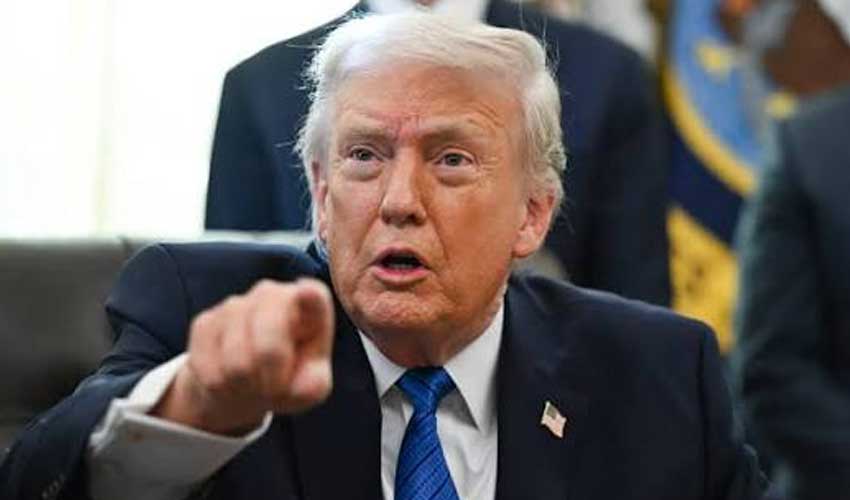
US President Donald Trump has expressed optimism about ongoing negotiations with Iran, saying talks are progressing well and could soon lead to the reopening of the Strait of Hormuz, a vital global energy corridor.
He also warned that the United States would take strong action if Tehran abandoned the negotiations.
Speaking in an interview on the FOX5 1-ON-1 program with FOX5 Las Vegas journalist Tom Durian, published on Wednesday evening, Trump said he was encouraged by the progress made in discussions with Iran.
"I hear they are doing very well," Trump said, adding that the negotiations "seem to be working out quite well."
The US president stressed that his administration was pursuing diplomacy because it wanted to avoid further bloodshed.
"We have to make a deal with Iran. We don't want to kill people," Trump said. "I'm not looking to kill people and totally obliterate everything, and that's where we were headed."
According to Trump, Iran decided to negotiate after the United States was prepared for what he described as a potentially massive military strike.
"They wanted to negotiate, and we're doing that," he said.
Strait of Hormuz immediate priority
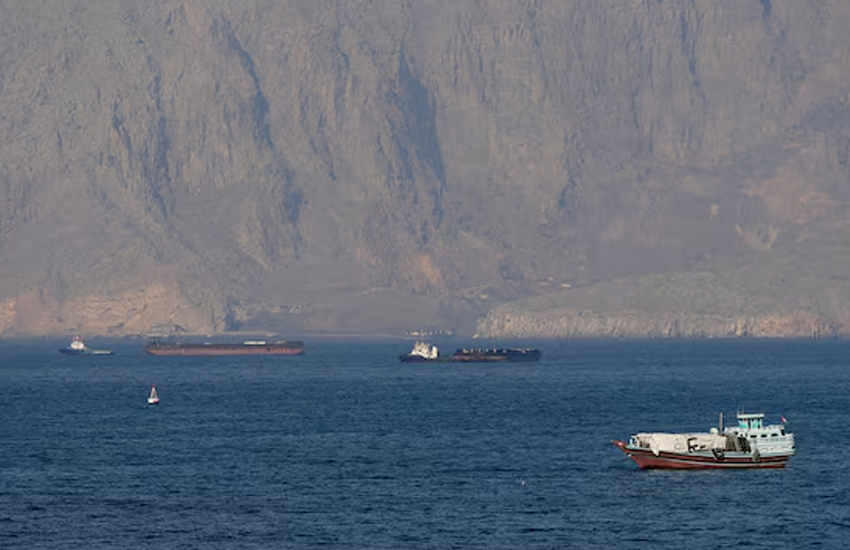
Trump said the first objective of the negotiations is to fully reopen the Strait of Hormuz, one of the world's most important oil-shipping routes, which Iran blocked after the war began.
He said he was hopeful the waterway would reopen soon, describing it as the first step toward a broader agreement.
"The opening of the waterway is the first step," Trump said, adding that it "is going to be open very soon."
Speaking after traveling to Los Angeles for a Republican National Committee fundraising event on Tuesday, Trump suggested an agreement could be reached within days.
"It could happen. Tomorrow or the next day," he said. "A lot of progress has been made."
Trump also told Fox News that US officials had held an "all-day negotiation" with Iranian representatives and described the discussions as "very good."
Nuclear negotiations to follow
The US president said that once the Strait of Hormuz issue is resolved, negotiations will shift to Iran's nuclear program.
"The second step will be to talk about the nuclear issue," Trump said.
He reiterated that the United States would not allow Iran to develop nuclear weapons and said diplomacy remained the preferred path.
"The hard hit is yet to come, and hopefully we won't have to use it," Trump said, adding that the US had "no choice" because Iran "can't have a nuclear weapon."
Trump recounts Iran's request for talks
Trump claimed Iranian officials reached out directly and requested negotiations.
"Iran said very politely, 'Please, can we talk?'" he recalled.
According to Trump, he responded, "Yes, we can talk. Let's get it done."
He repeated the account in multiple public remarks, saying, "I said, 'We can talk here, let's finish it.'"
While Trump has repeatedly described the talks in positive terms, Iranian officials have often denied or downplayed direct negotiations, with reports indicating mediation has taken place through Oman and other regional intermediaries.
Warning if Iran withdraws
Despite his optimistic tone, Trump warned that Iran would face severe consequences if it backed away from the negotiations.
"If they back out again, they're going to get hit really hard," he said during the Fox News interview.
He also said the United States had significant military capability and was continuing to strengthen its defense readiness.
In a message posted on social media, Trump said the United States possesses a large stockpile of weapons and ammunition and is producing more as needed. He added that US defense companies are opening new plants and factories "in historic numbers."
In the same social media message, Trump said authorities were searching for those responsible for leaking what he described as "treasonous statements". He said those responsible should face lengthy prison sentences.
Vance says US remains united on Iran
US Vice President JD Vance also addressed the Iran issue, saying there were no differences between him and President Trump over US policy toward Tehran.
Vance said Washington would use every available resource related to Iran to achieve its objectives and reiterated that the United States would not allow Iran to obtain nuclear weapons.
He added that the United States and Israel remained in close communication to pursue their shared strategic goals.
The vice president also noted that there were differing views within Iran's political system, suggesting that internal dynamics could influence the course of the negotiations.
Trump has repeatedly described a deal to reopen the Strait of Hormuz as imminent, saying negotiations are making substantial progress.
If an agreement is reached, it would mark the first phase of a broader diplomatic effort that the US administration hopes will eventually address Iran's nuclear program while reducing the risk of further military escalation in the region.