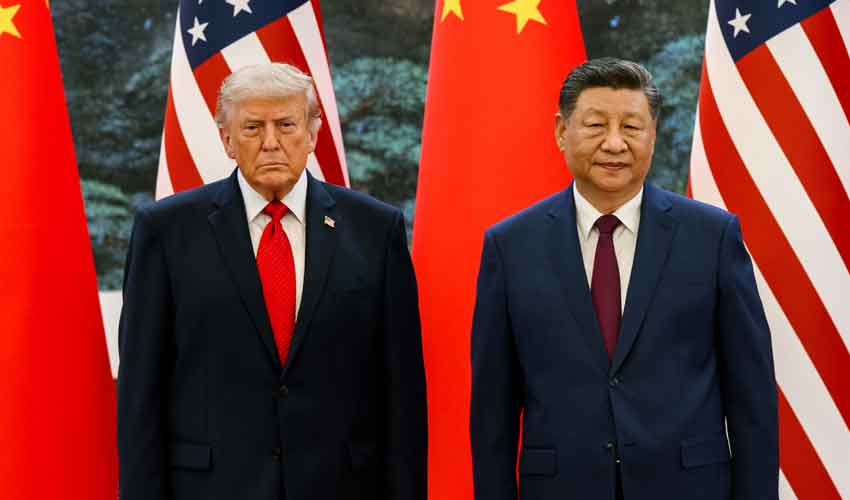
US President Donald Trump said negotiations over the Strait of Hormuz are "moving along nicely" and predicted the strategic waterway would reopen soon, as Reuters reported that a draft agreement under discussion could grant Iran a greater role in overseeing inbound Gulf shipping.
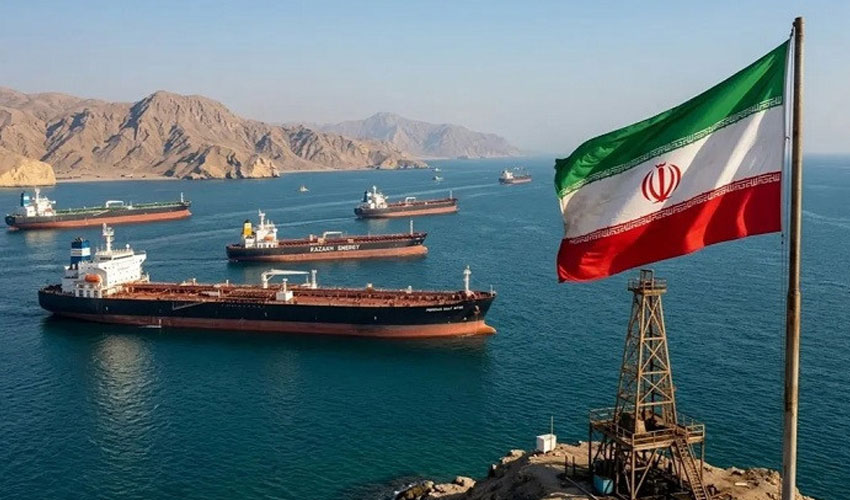
Citing a senior Iranian source and two regional officials, Reuters reported that Iran and Oman are discussing a proposal that would give Tehran oversight of ships entering the Gulf through the Strait of Hormuz. The report described the proposal as one of the most significant potential concessions to Iran, although officials cautioned that negotiations remain incomplete.
Despite Trump's optimistic assessment, Iranian and regional officials told Reuters it was too early to conclude that a final agreement was imminent, with several major issues still unresolved.
Key issues remain unresolved
According to Reuters, negotiators are still debating what Iran's proposed "control" over shipping would involve.
Gulf states reportedly want vessel inspections to remain under regional supervision, while any transit fees would be voluntary rather than mandatory.
One Iranian source said another unresolved issue is whether Tehran's authority would extend to outbound vessels leaving the Gulf in addition to ships entering the waterway.
The White House did not immediately comment on the reported proposal. US officials have repeatedly stated that Washington would not support any arrangement allowing Iran to control access to the Strait of Hormuz.
Dispute over transit fees
Reuters also reported that Iran is seeking transit fees ranging between 5% and 7% of cargo value for vessels using the strait.
Oman has reportedly proposed lower fees of around 3%, while the United States opposes the imposition of any transit charges.
Strategic importance
Oil prices edged higher after Yemen's Houthi group claimed responsibility for targeting a Saudi-flagged tanker in the Red Sea, underscoring persistent risks to regional shipping despite ongoing diplomatic efforts.
The Strait of Hormuz is one of the world's most critical maritime chokepoints, handling a substantial share of global crude oil and liquefied natural gas exports. Any agreement affecting its management would have significant implications for international energy markets, global trade and regional security.
Negotiations are reportedly being mediated by Oman, which shares the Strait of Hormuz with Iran. However, officials involved in the talks cautioned that unresolved differences could still prevent a final agreement.