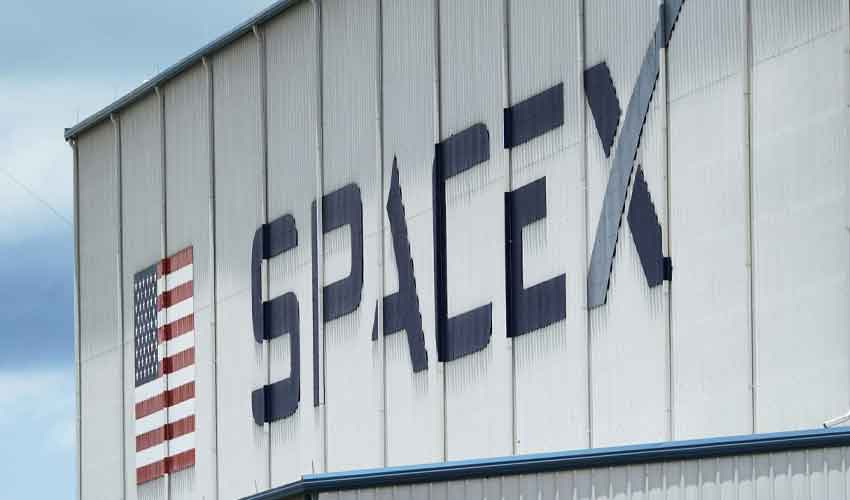
SpaceX reported a sharp increase in revenue in its first quarterly earnings report as a publicly traded company, but soaring investment costs and widening losses overshadowed the strong sales growth.
The Elon Musk-led company said second-quarter revenue rose 92% year-on-year to $7.8 billion, driven by growth in its Starlink satellite internet business and expanding AI infrastructure services.
However, spending climbed more than 550% to $18.3 billion, contributing to a net loss of $2 billion during the first six months of the year.
The results disappointed investors, with SpaceX shares falling nearly 9% in after-hours trading before recovering slightly.
Starlink remains biggest profit driver
Starlink continued to be the company's strongest-performing business, generating $1.6 billion in second-quarter profit.
Musk said he expects the satellite internet service to expand significantly over the coming years.
"It's not out of the question that, at some point, Starlink will operate most of the world's internet," he told investors.
AI infrastructure expansion accelerates
SpaceX is also investing heavily in AI computing services, leasing processing power to customers including Google and Anthropic.
The company currently operates 1.4 gigawatts of AI computing capacity and expects that figure to exceed 10 gigawatts next year through continued data centre expansion.
Despite rapid revenue growth, the AI division posted a $1.2 billion loss on $2.5 billion in quarterly revenue.
Rocket business remains loss-making
SpaceX's core rocket business also remained unprofitable during the quarter.
The space segment reported $962 million in revenue but recorded a $542 million net loss, reflecting continued investment in reusable launch systems and future spacecraft.
Chief Financial Officer Bret Johnson said the company expects capital spending to remain at similar levels for the rest of the year.
Musk remains optimistic
Despite the losses, Musk expressed confidence in the company's long-term prospects, saying investors continue to underestimate SpaceX's growth potential.
He also raised his long-term outlook, saying the company could reach $1 trillion in annual revenue by 2030, one year earlier than he had forecast only weeks ago.
SpaceX made its stock market debut in June in one of the largest public listings in recent years. After an initial surge, the company's shares have declined steadily and have traded below their $135 initial public offering price for several weeks.