





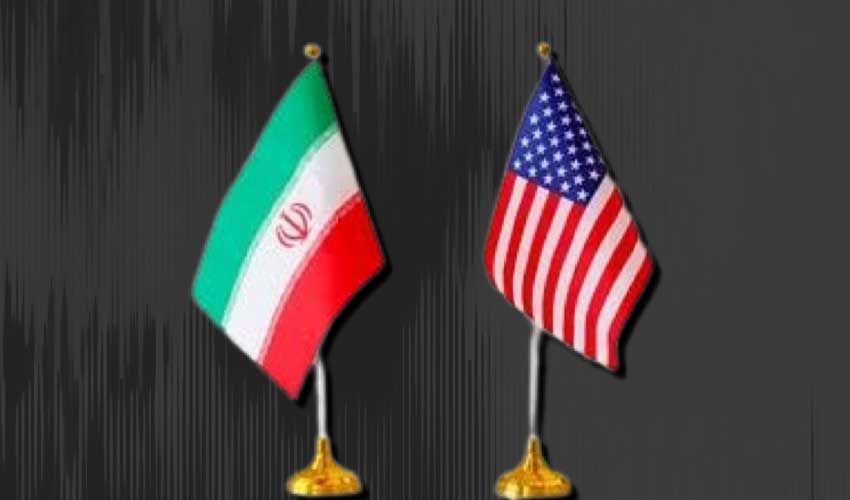
Conflicting messages from the United States and Iran over the status of negotiations to end their five-month-old conflict have heightened uncertainty, even as hopes for diplomacy helped ease oil prices and lifted global stock markets.
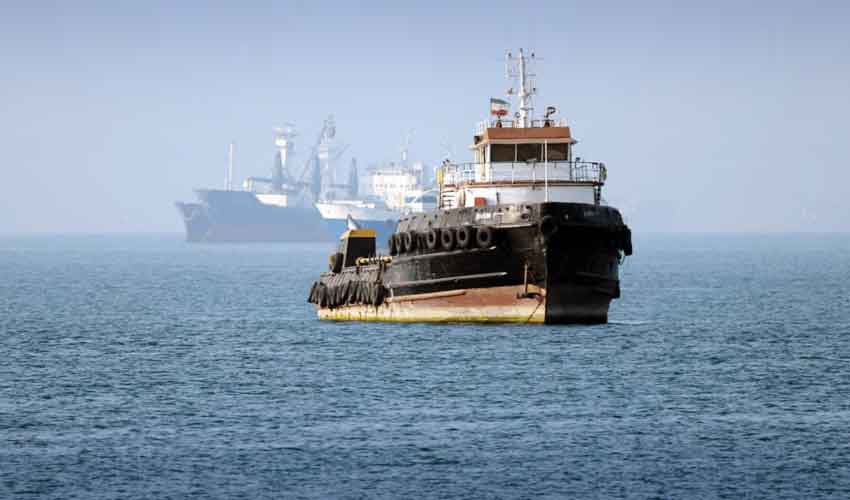
The latest developments come amid continued tensions in the Strait of Hormuz, where a reported attack on a cargo vessel has underscored the vulnerability of one of the world's most important energy corridors.
US President Donald Trump said negotiations with Iran are currently taking place, describing them as Tehran's "last chance" to reach an agreement before facing more severe consequences.
Speaking to reporters during an Oval Office event, Trump said the discussions were being held at the request of Iran, as well as Saudi Arabia, the United Arab Emirates, Qatar, and other regional countries.
"They are going on right now," Trump said. "This is a last chance for them to sign a good document."
He expressed hope that Tehran would "show wisdom" and said the situation was moving in a positive direction.
Trump also warned that he wanted to give Iran one final opportunity before taking what he described as destructive action.
Trump says Iran can't charge for Hormuz passage
The US president reiterated that Washington would not allow Iran to impose any fee on vessels passing through the Strait of Hormuz.
Trump also repeated his claim that the US Navy has full control over the strategic waterway, saying the United States controls access to the route.
In a later post on Truth Social, he described Iran's leadership as "unbelievably duplicitous," claiming Tehran had requested another meeting and that further talks were scheduled in the "immediate future."
"'The United States Wall of Steel!' Nothing gets through to Iran, unless we want it to, and nothing will get through, unless a Deal, or Total Surrender, is accomplished," Trump wrote.
Iran denies talks
Earlier, however, Iranian Foreign Ministry spokesman Esmail Baghaei rejected the claim that negotiations with Washington were taking place or had been scheduled.
According to Baghaei, Iran has no plans to host foreign delegations or send negotiators abroad in the coming days.
He said all Iranian negotiators remain inside the country, except Foreign Minister Abbas Araqchi, who is currently on a religious pilgrimage in Iraq.
Baghaei added that the only ongoing discussions involve Oman and relate to the management of the Strait of Hormuz.
Strait of Hormuz remains at center of crisis
The Strait of Hormuz continues to be the key point of contention between Washington and Tehran, with the future of global energy supplies closely tied to developments in the strategic waterway.
The question of who effectively controls maritime access through Hormuz remains disputed. Trump insists the United States controls the passage, while Iran rejects that assertion.
Washington argues that a memorandum of understanding signed in June required Iran to keep the strait open for international shipping.
Tehran, however, maintains that the same agreement explicitly preserved its authority over shipping traffic in the waterway.
Fresh shipping incident raises concerns
The latest maritime incident further highlighted the fragile security situation in the Gulf.
The United Kingdom Maritime Trade Operations (UKMTO) agency said one cargo vessel reported being struck by an unknown projectile near the Strait of Hormuz off the coast of Oman.
The incident comes after Iran had largely restricted transit through the route before it was blockaded during the conflict, disrupting one of the world's busiest corridors for crude oil and liquefied natural gas.
Commercial shipping through the Strait of Hormuz continues at a reduced pace.
According to Kpler data, only six vessels -- three oil tankers and three bulk carriers -- passed through the strait on Monday, compared with seven vessels the previous day.
The slowdown reflects continued caution among shipping companies amid ongoing regional tensions.
Oil falls while global stocks gain
Despite security concerns, financial markets reacted positively to signs that diplomacy could still prevent further escalation.
Brent crude futures fell by around 7% to approximately $83.77 per barrel, while the Dow Jones Industrial Average closed at a record high.
On Tuesday, Asian stock markets and oil prices edged slightly higher as investors continued to assess the latest developments.
Regional officials and security analysts believe Iran is attempting to increase pressure on Washington by targeting trade routes, shipping lanes, and energy infrastructure across the Middle East.
Their assessment is that Tehran hopes the growing economic cost of regional instability will eventually persuade the United States and its allies that accommodating Iranian demands over the Strait of Hormuz is less costly than prolonging the confrontation.
Michael Knights of the Washington Institute said Iran's biggest advantage lies in its ability to affect both regional countries and the global economy.
"Their big advantage is that they can hurt the regional states and the global economy."
Trump continues familiar strategy
Monday's developments also fit a broader pattern that has emerged since Trump launched Operation Epic Fury alongside Israel more than five months ago.
On several occasions, the US president has threatened major military action against Iran before later announcing diplomatic contacts and postponing planned strikes.
Most recently, Trump said he had called off "massive attacks" over the weekend because negotiations were expected to take place.
Iran has consistently rejected negotiations with Washington since the collapse of a memorandum of understanding in early July.
The agreement, signed the previous month, had been intended to help end the conflict but ultimately failed.
Since then, repeated US military pressure has been met by escalating Iranian responses targeting American forces in the region, Gulf Arab allies, and commercial shipping.
Each cycle has ended with renewed diplomatic signals from Washington, but no lasting breakthrough has yet been achieved.
US objectives remain unmet
More than five months into the conflict, President Trump has yet to achieve the objectives he outlined at the beginning of the war.
Those goals include dismantling Iran's nuclear programme, limiting Tehran's ability to attack regional rivals, and creating conditions that could eventually lead to political change inside Iran.
For now, uncertainty surrounding diplomacy and continued tensions in the Strait of Hormuz remain key factors shaping global energy markets and regional security.







.jfif)







