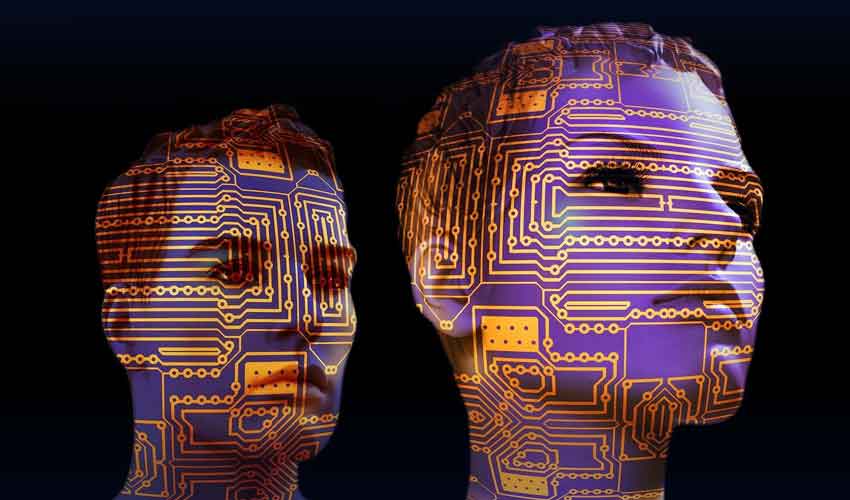
Today, we are living in an era where seeing is believing is no longer the whole picture. We now have to check whether what we are seeing is original, where it came from, and whether it is real or simply AI‑generated or a deepfake.
Just imagine watching a friend, a famous vlogger, influencer, or actor saying something on the internet that they have never said in their life. At first, we might think this is science fiction with no connection to reality, but we must now take it seriously after realizing that deepfakes do exist and have become part of today’s reality. This raises an important question: can we trust what we see?
Computers are fed thousands of pictures and videos of one specific person, and the algorithm learns to generate fake audio or video that appears real and convincing. Today, digital media has raised serious concerns regarding deepfakes and AI‑generated videos. Compared to older generations, who never faced such challenges, we are dealing with an entirely new digital threat.
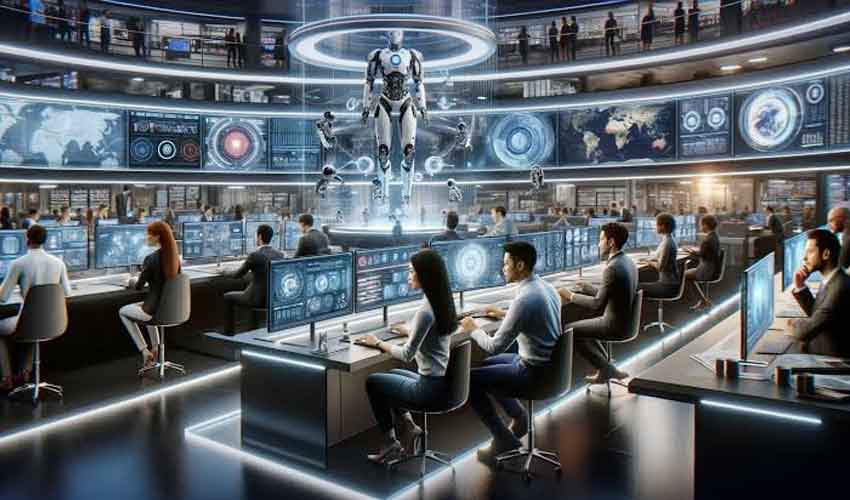
Across social, digital, and electronic media, numerous challenges have emerged. It is becoming difficult to recognise whether an image, video, or audio clip is original or whether someone is using GANs to violate someone’s privacy by using their real voice even when the person is not present. In this era, cognitive warfare has become a form of mind manipulation. We must upgrade ourselves to understand the complexities of technology and advanced AI systems. Previously, such technology was limited to Hollywood films for special effects, but now it is in everyone’s hands.
Deepfakes are not limited to entertainment purposes. Because they are now common among the public, their repercussions are extremely severe. Some people can create fake videos of political leaders to change public perception or disrupt peace and diplomacy.
For example, in July 2025, an AI‑generated fake video cloned the voice and face of US Secretary of State Marco Rubio to mislead foreign ministers. By cloning someone’s voice, scammers can demand money from relatives and other people, and this has become very common nowadays. Deepfakes make it nearly impossible for people to identify who is right and who is wrong, creating deliberate manipulation and challenges that are difficult to cope with. When everything can be fake, people stop trusting even real information. According to experts, this is called the “Infocalypse,” meaning the end of information.
Although AI has become clever, there are still small but significant mistakes through which we can identify deepfakes. In many deepfake videos, people do not blink naturally; their blinking appears robotic or irregular. You may notice blurriness or glitches around the eyes, cheeks, or neck, and face edges, jawlines, hairlines, and skin textures often appear overly smooth or shiny. The lighting on the face does not match the background, and shadows appear unnatural. The voice does not match the lip movements; often, the voice comes first and the lips move later, sometimes creating an echo. Deepfakes are also often overly dramatic, scandalous, emotional, or sensational to create panic among the public.
It is impossible to stop technological advancements, so the responsibility lies with us. Before sharing any sensational video, we must pause and think about whether it is real. We should not rely only on old technical methods; instead, we must raise awareness, strengthen technological advancements, ensure strong rules and regulations, and avoid spreading fake information like wildfire. The time has come for us to stop blindly trusting everything on the internet, because in today’s era, what we see isn’t always real.
The writer is a student of Media and Development Communication at the University of the Punjab, Lahore