"Diplomacy is not an event but a process"— Maleeha Lodhi
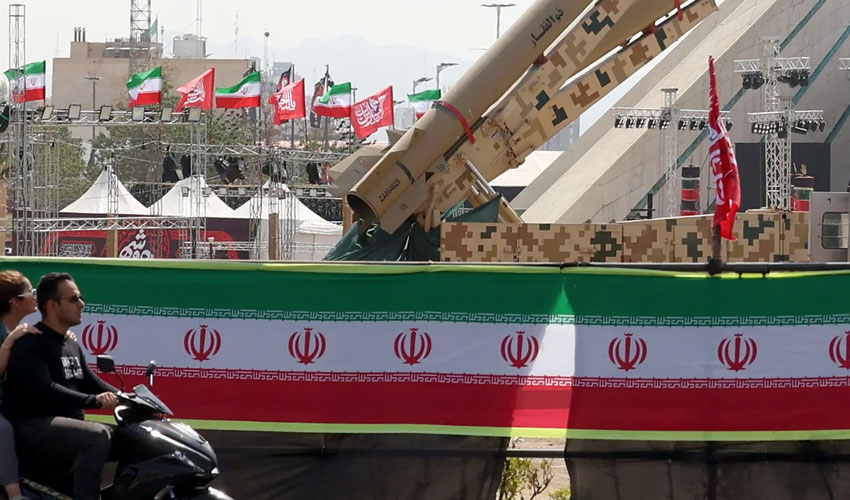
Raw diplomacy is what the world has witnessed since February 28, 2026. Meticulous, incremental and never truly finished, that is how Maleeha Lodhi captured the essence of diplomacy. The US and Israel jointly assailed Iran with over 900 airstrikes within 12 hours, resulting in the assassination of Supreme Leader Ayatollah Ali Khamenei. The strikes did not silence the world. They accelerated it. What the international stage witnessed was not merely a military confrontation, but the most densely layered and complex diplomatic mobilisation the strategic theatre has ever produced.
This article revolves around the diplomatic velocity the Iran War has ignited without historical parallel, not just in its pace but in its diplomatic architecture. It further decodes a world moving beyond multipolarity toward a newer strategic pattern: minilateralism. In this theatre, the state that can talk to anyone becomes the one that matters most. In 2026, that state is Pakistan.
The diplomatic storm
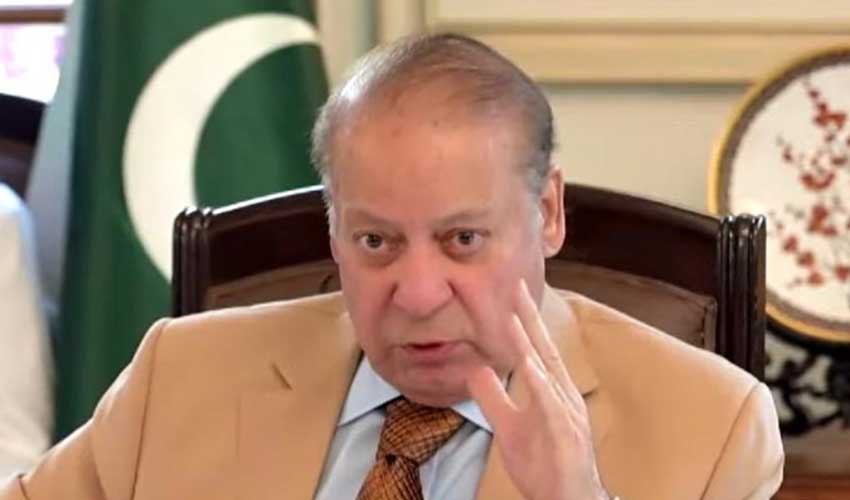
Consider what unfolded simultaneously. Within four months, four foreign ministers: Turkey, Saudi Arabia, Egypt, and Pakistan convened twice, in Islamabad and Riyadh. US Vice President JD Vance flew to Islamabad alongside an Iranian delegation. Secretary of State Marco Rubio was in New Delhi. President Trump was meeting Xi Jinping in Beijing. Pakistan's Army Chief visited Tehran twice. Deputy PM Ishaq Dar met Rubio in New York. PM Shehbaz was in China. Bangladeshi Premier visited China. Pakistan's Interior Minister visited Tehran various times. Saudi FM flew to China. Rubio met the GCC. FM Araghchi conducted a whirlwind circuit across Islamabad, Muscat, and Moscow. Xi Jinping headed to Pyongyang. Putin was in Beijing. Iran's President visited Pakistan. The Islamabad Talks, Switzerland Talks, and technical talks in Doha followed in succession. The Islamabad MoU was signed on June 17: Trump at Versailles, Pezeshkian in Tehran, Sharif as mediator. No single power was orchestrating any of this. The capitals kept changing. The phones never stopped ringing. Everyone was negotiating with everyone, simultaneously, on parallel tracks, toward competing objectives.
This is not a list of diplomatic meetings. It is a map of a new international architecture, one in which every major actor is simultaneously active, no single power is setting the agenda, and the connective tissue running through every track is a middle power from South Asia. Henry Kissinger once observed that empires aspire to be the international system itself. What 2026 is demonstrating is the opposite: a world in which no actor can be the system, and every actor must negotiate within it.
Has history ever seen this? The precedents examined
The claim of extraordinary diplomatic velocity demands honest historical scrutiny. Four episodes come closest and each reveals why 2026 stands apart.
Congress of Vienna (1814 to 15): Vienna produced the Concert of Europe and decades of stability, but it had one architect — Prince Metternich — and one agreed table. Its pace came from concentrated authority; its durability from great powers accepting a framework one hegemon designed. In 2026, there is no Metternich, no shared table, no power capable of imposing a framework. The lesson: concentrated authority produces durable settlements. Its absence suggests the Islamabad MoU will require constant renegotiation to survive.
Cuban Missile Crisis (1962): Thirteen days, two superpowers, one closed room. Nikita Khrushchev and John F. Kennedy resolved the crisis bilaterally while the world waited. The architecture was a duopoly. In 2026, there is no duopoly, twenty plus actors are simultaneously active. The lesson: bilateral clarity between the most powerful actors resolves crises quickly. Its absence in 2026 means any resolution will remain partial and perpetually contested.
Kissinger's Shuttle Diplomacy (1973): One envoy, one superpower, one credibility monopoly underwriting every framework proposed. It produced the Egyptian Israeli disengagement and eventually Camp David. In 2026, when Trump threatened on live television to resume bombing while Vance was negotiating in Lucerne, it was Pakistan, not American credibility, that held the talks together. The lesson: hegemonic credibility produces durable frameworks. Its absence means every framework now requires external guarantors. That is precisely what Pakistan and Qatar have become.
Post 9/11 and Cold War Proxy Conflicts: After September 11, Powell built a coalition with America at its center. During the Cold War, Korea, Vietnam, and Angola all ran through two poles. The pace of diplomacy was always a function of hegemonic or bipolar structure. Those poles have dissolved in 2026. Pakistan is not in the American camp or the Iranian camp. It holds trust with all sides simultaneously and that trust diversity is the defining asset of the new order.
From unipolarity to minilateralism: Stakes, the new order
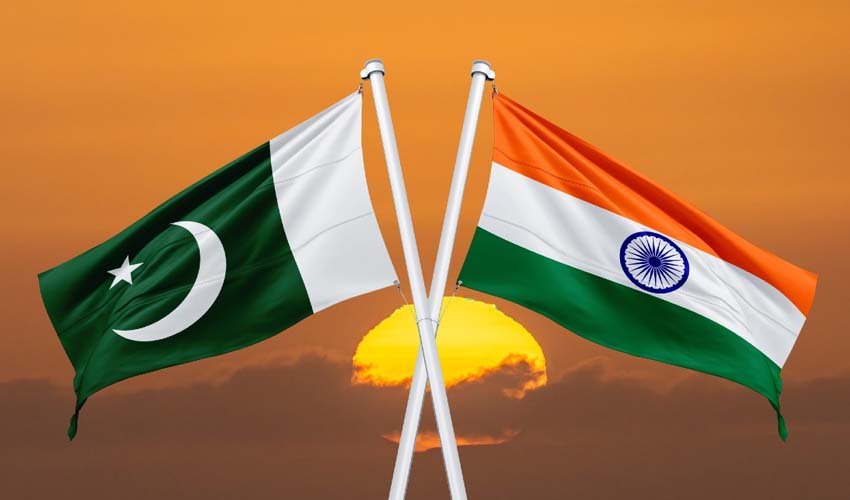
Every actor in this crisis is protecting a distinct set of stakes. The US wants a nuclear free Iran and open Hormuz. Iran wants regime survival and sanctions relief. The Gulf states want protection from Iranian aggression and a Hormuz that stays open. China wants energy security and proof it can protect partners against American pressure. Russia wants American overextension and a world less receptive to US led military action. Pakistan seeks US strategic endorsement, Gulf economic partnerships, regional stability, and international recognition, while demonstrating the kind of independent diplomatic capacity that India's growing proximity to Washington risks overshadowing.
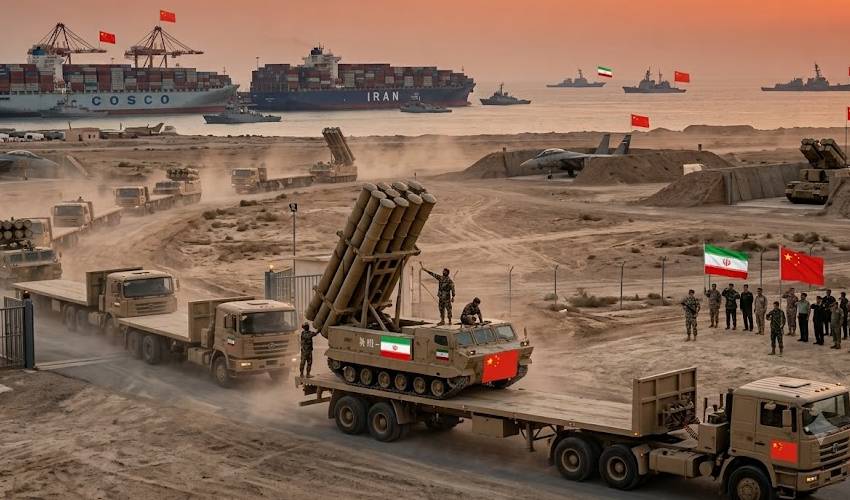
Every back-channel communication, every visit, every negotiation is a reflection of these stakes and their simultaneous convergence is what accelerates the velocity. What has replaced the unipolar order is not classical multipolarity but minilateralism: overlapping, issue specific coalitions with no overarching framework. The US Israel military axis, the China Russia alignment, the Pakistan Qatar mediation track, the Pakistan Turkey Saudi Egypt regional cluster, the Iran Oman Hormuz facilitation lane. None is a formal alliance. All are simultaneously active. In this world, every actor needs every other actor's agreement to achieve its goals, what might be called a consent economy. No one can impose. Everyone must negotiate. Diplomacy has never moved this fast because the incentive to negotiate has never been this universal.
Concluding remarks
What is already settled is more consequential than what remains open. The Iran War did not just reshape the Middle East. It exposed the architecture of a new world, one where no single power sets the agenda, every actor must negotiate, and a middle power from South Asia has become the indispensable thread holding the only available peace framework together. The minilateral order is not a theory anymore. 2026 made it visible. Whether the Islamabad MoU becomes Vienna or Versailles, one thing is beyond dispute. The world it has revealed is not going back.