Iran has confirmed that it is continuing to exchange indirect messages with the United States through regional mediators, including Pakistan, Qatar and Oman, while accusing Washington of violating previous agreements and undermining diplomatic efforts.
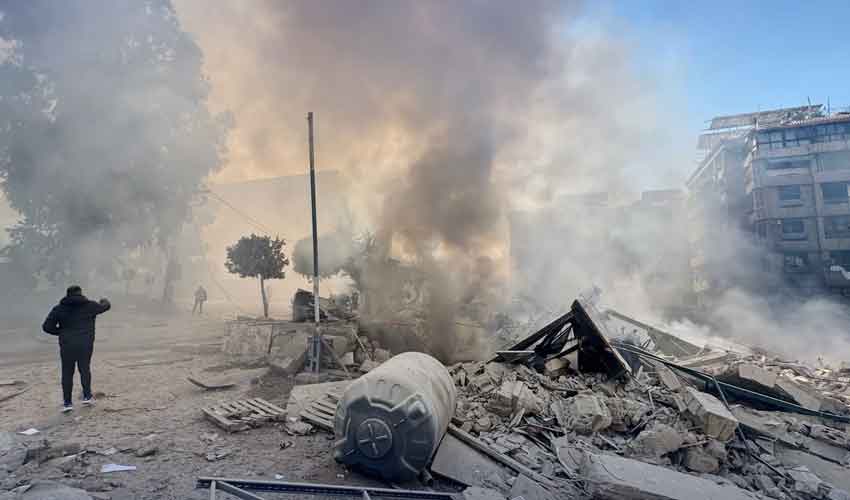
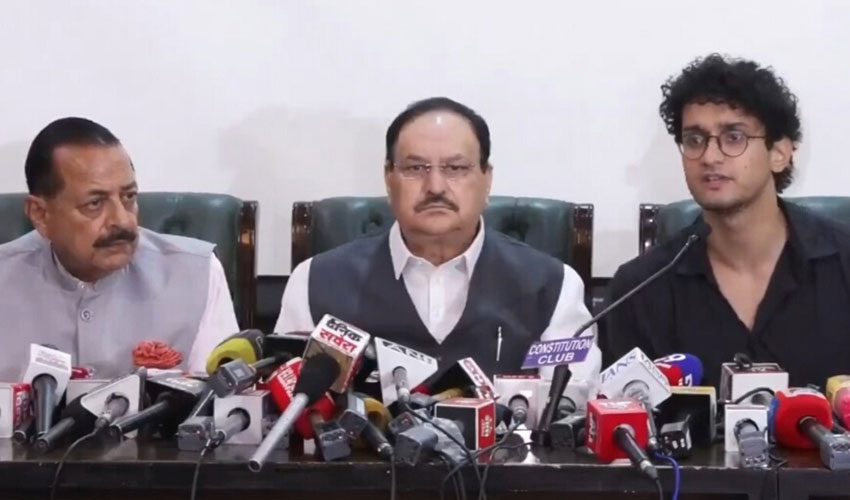
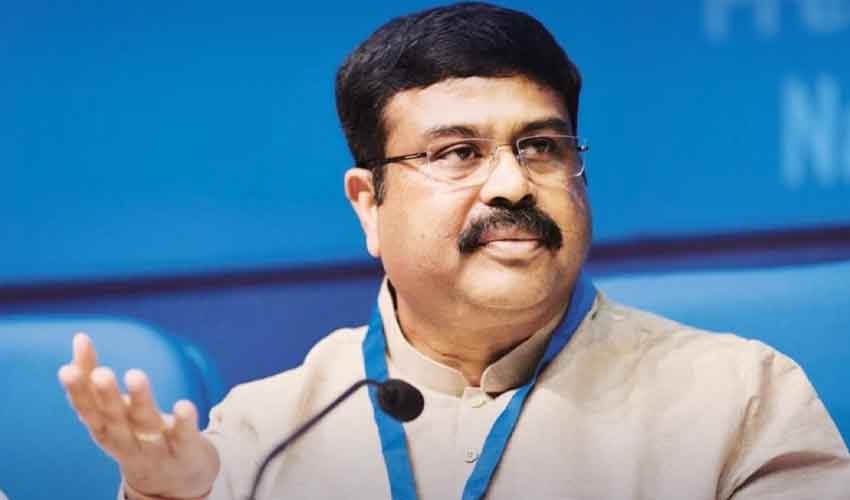
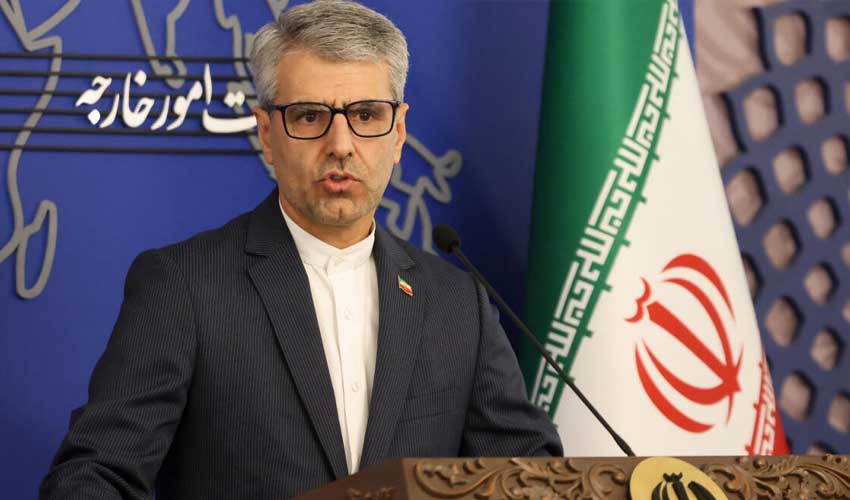
Iranian Foreign Ministry spokesperson Esmail Baghaei said Tehran remains open to diplomacy, but stressed that the country's immediate priority is defending its sovereignty, territorial integrity and citizens amid what he described as ongoing US attacks.
In an interview with Austria's ORF television network, Baghaei confirmed that communication channels between Iran and the United States remain open through intermediaries.
He said Pakistan, Qatar and Oman are facilitating the exchange of messages between Tehran and Washington, adding that indirect diplomatic contacts are continuing despite ongoing tensions.
However, he argued that meaningful dialogue requires a solid foundation, which he claimed had been undermined by the United States.
Diplomacy undermined during negotiations
Baghaei said Iran entered negotiations in good faith and eventually reached a 14-point Memorandum of Understanding (MoU) with the United States aimed at ending the conflict and addressing several issues, including maritime security.
According to the spokesperson, Iran fulfilled its obligations under the agreement, including its commitment during the 30-day implementation period to ensure the safe passage of commercial vessels through the Strait of Hormuz.
He alleged that the United States violated the agreement by launching military attacks before the 30-day period expired, describing it as another instance in which diplomacy had been sabotaged.
Baghaei said this was the third time within the past year that Iran had come under attack while diplomatic efforts were underway, accusing Washington of once again betraying diplomacy.
The Iranian Foreign Ministry spokesperson claimed that the United States failed to implement its commitments under the memorandum from the outset. He said one of Washington's obligations was to release Iranian assets frozen abroad, but the US did not fulfil that commitment.
Also Read: Iran vows to give befitting response to Ukrainian attack
Baghaei stressed that the frozen funds belong to Iran and argued that the United States was only required to remove restrictions preventing Tehran from accessing its own assets.
Iran rejects accusations over Strait of Hormuz incidents
Baghaei rejected allegations that Iran was responsible for recent security incidents in the Strait of Hormuz. He said Iran has safeguarded navigation through the strategic waterway for decades and argued that the current instability stems from US and Israeli military operations against Iran.
According to him, Tehran had committed to guaranteeing the safe transit of commercial ships during the agreed 30-day period, while the long-term management of the Strait was to be coordinated with Oman and other Gulf littoral states.
He also said Iran would not allow the strategic waterway to be used as a platform for actions that threaten its national security.
Defending sovereignty remains top priority
Baghaei emphasized that while communication with Washington continues through intermediaries, Iran's immediate priority remains protecting its sovereignty, territorial integrity and citizens.
He accused the United States of violating its commitments, undermining diplomacy and continuing military operations against Iran despite ongoing diplomatic contacts.
Oman-mediated discussions on maritime security
The spokesperson's remarks came after CBS reported on July 26, citing unnamed regional officials, that the United States had suspended a series of planned strikes against Iran to avoid disrupting Tehran's negotiations with Oman.
Separately, Iran's Foreign Ministry said several rounds of talks between Iranian and Omani deputy foreign ministers were held in Tehran on July 24 and 25.
According to the ministry, the discussions focused on the general principles and practical mechanisms for ensuring safe navigation through the Strait of Hormuz, with Tehran and Muscat making progress, although the overall security situation in the waterway remains unchanged.
Also Read: Oil tanker attacked in Red Sea; vessel hits sea mine in Hormuz
Baghaei also criticized European countries for failing to uphold their commitments after the United States withdrew from the 2015 Joint Comprehensive Plan of Action (JCPOA). He said Europe's support for the reimposition of sanctions and alignment with Washington further weakened trust between Tehran and European capitals.
The spokesperson described the JCPOA as one of Europe's most significant diplomatic achievements and argued that support from some European governments for US and Israeli military actions against Iran has further eroded Iranian public confidence in Europe.
Western human rights policies criticised
The Iranian spokesperson also accused Western countries of applying double standards on human rights, particularly regarding the war in Gaza.
He further criticized Washington for what he described as pressure on international judicial institutions, including the International Criminal Court (ICC) and the International Court of Justice (ICJ), following legal proceedings involving Israel.
According to Baghaei, unconditional US support for Israel has weakened the international legal system and international humanitarian law.
Also Read: Iran ready to continue talks; sends message to Pakistan
Concluding his remarks, Baghaei said the Iranian people have never sought war and reaffirmed Tehran's support for genuine diplomacy.
He stressed that Iran remains committed to negotiations based on mutual respect and the fulfilment of commitments by all parties, while maintaining that the country will continue to defend its sovereignty and national security.