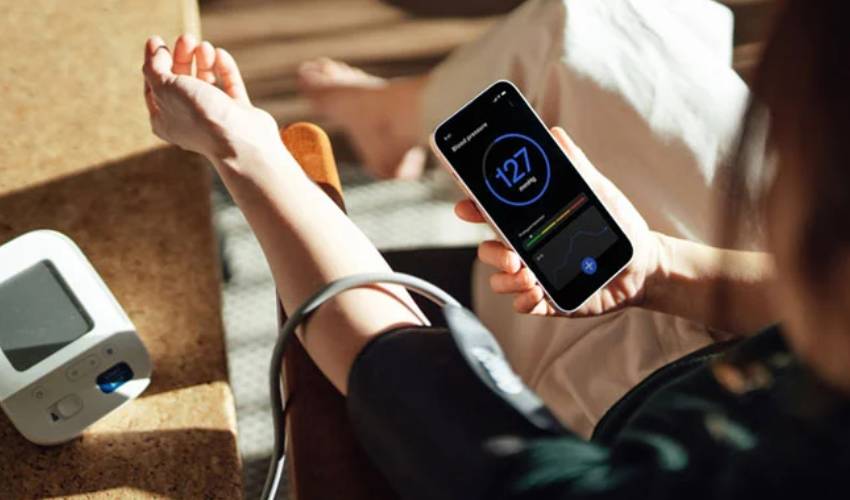
If your blood pressure remains high despite taking medication, the problem may not be your prescription alone. Health experts say several common lifestyle habits can make it difficult to control hypertension and increase the risk of serious complications.
High blood pressure, often referred to as a "silent killer," can damage the heart, brain, kidneys and other vital organs without causing noticeable symptoms.
Experts recommend avoiding the following five common mistakes to help manage the condition more effectively.
1. Overlooking hidden salt in processed foods
Reducing the amount of table salt alone may not be enough.
Processed foods such as bread, instant noodles, canned soups, pickles, papad and many packaged breakfast items often contain high levels of sodium, which can significantly raise blood pressure.
2. Not getting enough potassium
Potassium helps the body eliminate excess sodium and relax blood vessels, both of which contribute to healthy blood pressure.
A diet lacking leafy green vegetables, fresh fruits and whole grains may make it harder to keep blood pressure under control.
3. Measuring blood pressure incorrectly at home
Experts say many people do not follow the correct procedure when checking their blood pressure.
Taking a reading immediately after climbing stairs, while feeling stressed, or sitting with crossed legs can produce inaccurate results.
Before measuring, people should sit quietly for at least five minutes, keep both feet flat on the floor, rest the arm at heart level and avoid talking during the reading.
4. Ignoring chronic stress
Long-term stress increases the production of hormones that cause the heart to beat faster and blood vessels to narrow, leading to persistently elevated blood pressure.
Managing stress through relaxation techniques, exercise or other healthy coping strategies can support better blood pressure control.
5. Not getting enough sleep
During deep sleep, blood pressure naturally drops by about 10% to 20%, giving the cardiovascular system time to recover.
Experts warn that sleeping fewer than six hours a night deprives the body of this natural recovery period and may increase the risk of hypertension.
Lifestyle matters
Health experts stress that medication alone is often insufficient to control high blood pressure.
Maintaining a balanced diet, getting adequate sleep, reducing stress and following healthy lifestyle habits are all essential for keeping blood pressure within a healthy range and lowering the risk of long-term complications.