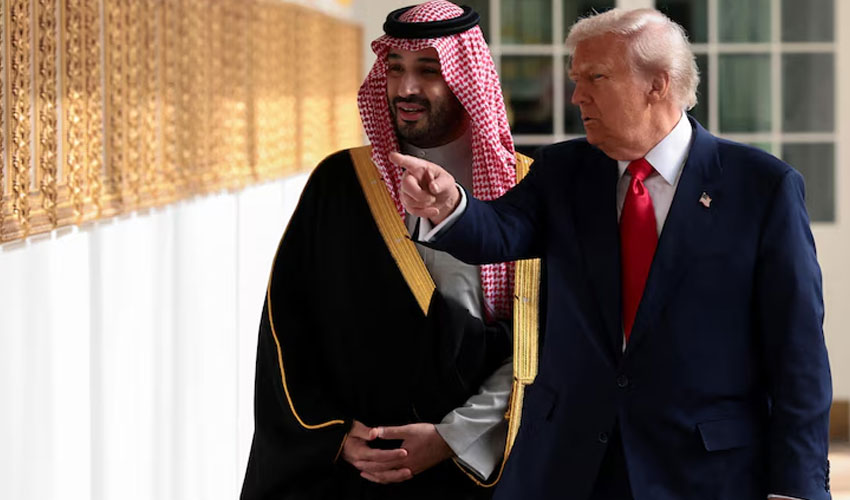
A proposed nuclear cooperation agreement between the United States and Saudi Arabia has triggered concern among Israeli politicians and former security officials, who warn it could spark a regional nuclear arms race.
The agreement, announced on Wednesday, would allow Saudi Arabia to build civilian nuclear reactors using U.S. technology and enrich uranium domestically. The deal still requires approval from the U.S. Congress.
Israeli Prime Minister Benjamin Netanyahu, along with the country's defence and foreign ministers, had not publicly commented on the agreement at the time of reporting.
Critics warn of security risks
Former Israeli Prime Minister Naftali Bennett, who is seeking to challenge Netanyahu in the upcoming October election, described the agreement as a strategic mistake.
"The nuclear agreement that is coming together with Saudi Arabia, over Israel's head, is a serious strategic failure that endangers our security," Bennett said.
He warned that allowing uranium enrichment on Saudi soil could trigger a regional nuclear race and increase long-term security risks.
Former Defence Minister Avigdor Lieberman echoed those concerns, arguing that a civilian nuclear programme could eventually pave the way for nuclear weapons.
He urged Israel to oppose the agreement and lobby members of the U.S. Congress to block its approval.
Long-running negotiations
Successive U.S. administrations, including those of Donald Trump and Joe Biden, had explored a civilian nuclear agreement with Saudi Arabia, but negotiations previously stalled.
Non-proliferation experts have long expressed concern that uranium enrichment capabilities could provide a future pathway to developing nuclear weapons, despite the programme being designated for civilian use.
Many Israeli officials had also hoped any nuclear agreement would be linked to a broader normalisation deal between Israel and Saudi Arabia.
Former Defence Minister Benny Gantz said introducing civilian nuclear capabilities in Saudi Arabia without integrating the move into a broader regional security framework was unlikely to strengthen Israel's security.
Israel has never officially confirmed possessing nuclear weapons, although it is widely believed to maintain the Middle East's only nuclear arsenal.