What began as an online joke has transformed into one of India's most talked-about youth movements, with memes, mock political campaigns and street protests putting the country's political establishment under unexpected pressure.
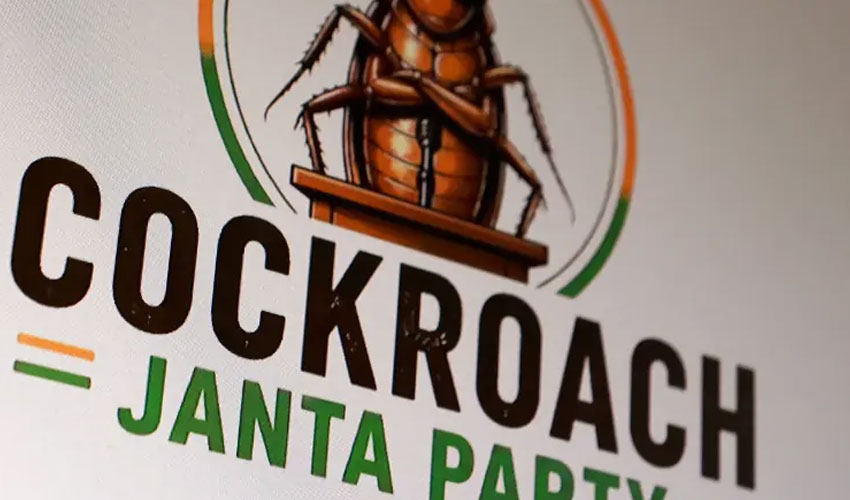
The self-styled Cockroach Janta Party (CJP) emerged after controversial remarks comparing unemployed young people to "cockroaches and parasites" sparked outrage online.
Instead of rejecting the label, thousands of young Indians embraced it.
Within days, "cockroach" became a symbol of defiance, spawning parody political campaigns, satirical manifestos and millions of social media posts across Instagram, X and Facebook.
From meme to movement
Initially launched through a humorous online registration campaign, the Cockroach Janta Party quickly evolved into a digital community where frustrated young people mixed political commentary with internet humour.
Creators began posting cinematic campaign videos introducing themselves as "future ministers," highlighting humorous qualifications such as:
- Surviving on three hours of sleep
- Living on instant noodles and iced coffee
- Ignoring unread emails
- Professional procrastination
- "Maximum unemployment energy"
Others released fake election manifestos promising free Wi-Fi, mandatory afternoon naps, mental health leave and equal rights for procrastinators.
The humour resonated widely among India's Gen Z and young millennials, who viewed the movement as a creative way to express frustration over unemployment, examination controversies and economic uncertainty.
Social media phenomenon
The movement rapidly spread beyond India's borders.
International meme pages joined the trend by announcing applications for the "foreign wing" of the Cockroach Janta Party, while creators from North America, Europe and Southeast Asia produced parody campaign advertisements.
One viral slogan summed up the movement's spirit:
"They tried to call us pests. We became an army that survives on caffeine and chaos."
The Cockroach Janta Party's social media pages reportedly attracted millions of followers within days, making it one of India's fastest-growing online political communities.
Political attention
As the movement gained momentum, it drew reactions from prominent political leaders and public figures.
Samajwadi Party chief Akhilesh Yadav described the growing online rivalry simply as:
"BJP v CJP."
Trinamool Congress MP Mahua Moitra defended the movement's satirical nature, arguing that humour should not be met with censorship.
Congress MP Shashi Tharoor also expressed support for political satire, saying democracies should encourage creative expression rather than suppress it.
Climate activist Sonam Wangchuk jokingly described himself as an "honorary cockroach," while veteran social activist Anna Hazare urged authorities to engage with young people instead of dismissing their concerns.
Beyond the internet
The online phenomenon soon spilled onto the streets.
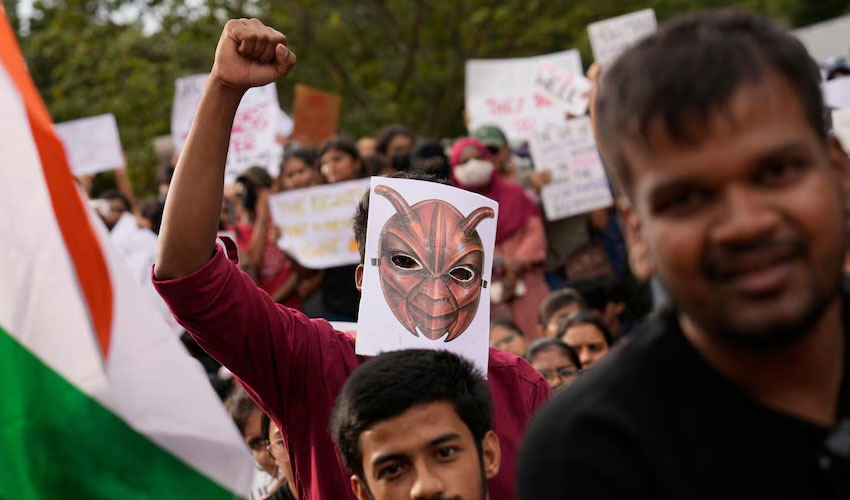
Students and activists organised peaceful gatherings in several cities, with some participants wearing oversized cockroach costumes while staging mock press conferences and satirical political rallies.
The movement later became intertwined with broader student protests over alleged examination paper leaks, unemployment and demands for greater government accountability.
Police crackdowns on some demonstrations further intensified debate over freedom of expression and the government's response to youth-led dissent.
More than just a meme?
Political analysts remain divided over whether the Cockroach movement represents a temporary internet trend or the beginning of a broader youth-driven political awakening.
Regardless of its long-term impact, the movement has demonstrated how internet culture can rapidly evolve into real-world activism, turning humour into a powerful tool for political expression.
For many young Indians, the cockroach has become less about the insect itself and more about reclaiming an insult while highlighting deeper frustrations over jobs, education and governance.