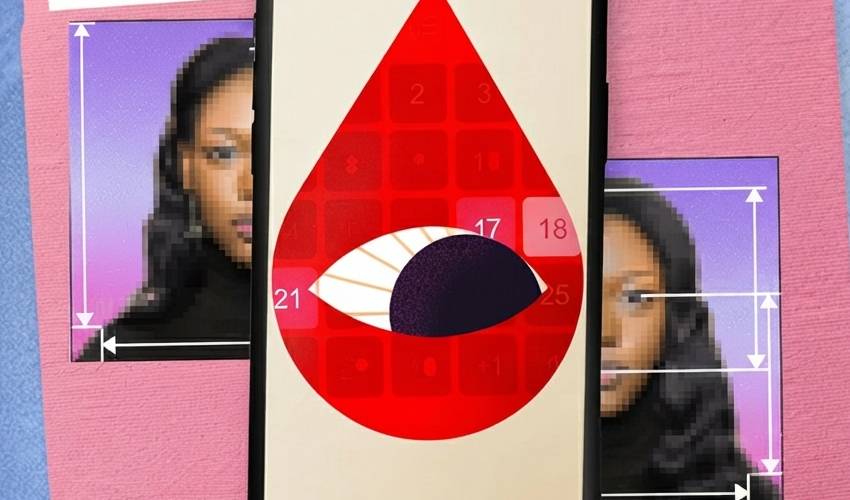
Experts have warned that many period-tracking mobile applications may collect and share highly sensitive personal data with advertisers and other third parties, potentially exposing users to significant privacy risks.
According to media reports, these apps often store far more than menstrual cycle dates. They may also collect information related to pregnancy, fertility, medications, physical symptoms, lifestyle habits and, in some cases, users' sexual health.
Privacy experts caution that such information could be used for targeted advertising, consumer profiling and other commercial purposes if users are unaware of how their data is handled.
They urged women to carefully read an app's privacy policy and understand its data-sharing practices before providing personal information.
Experts also recommend choosing apps that collect only the minimum amount of data necessary, offer clear privacy protections and avoid requesting access to unnecessary personal information or device permissions.
The warning comes amid growing global concerns over how digital health applications manage sensitive user data and whether sufficient safeguards are in place to protect consumers' privacy.



.jpg)