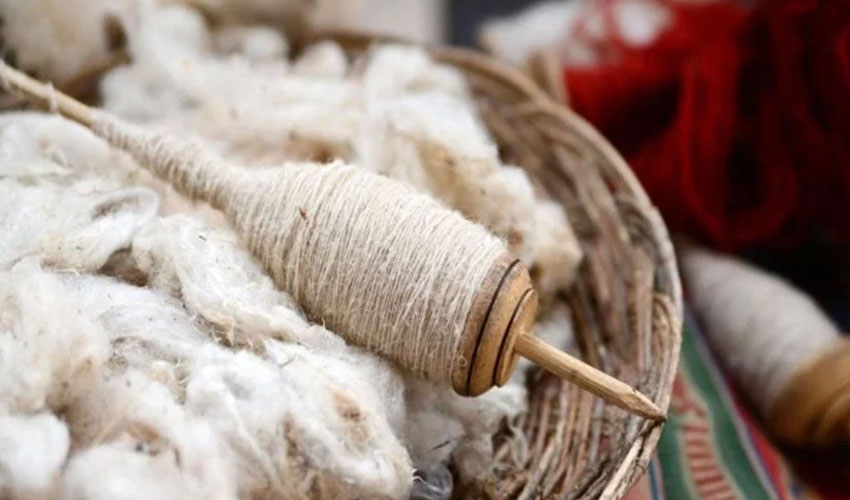
Scientists have made a major breakthrough in regenerative medicine after discovering that keratin — a protein obtained from wool — can help regrow bone tissue.
Researchers at King's College London successfully tested the material in animal models, opening the door for new bone-healing and dental treatment options using renewable biomaterials.
According to the study, scientists used keratin extracted from wool to create special membranes designed to support bone growth.
The researchers found that the material successfully restored bone in affected areas and produced tissue closely resembling healthy natural bone. The results showed stronger similarities to real bone compared to some traditional materials currently used in regenerative treatments.
The research team first examined wool-derived keratin membranes on human bone cells in laboratory settings.
During the tests, the membranes successfully regenerated human bone cells and showed strong indicators of healthy bone development. After positive lab results, the material was further tested in living animal models, where scientists again observed successful bone healing.
Researchers call It a major milestone
Dr. Sherif Elsharawy described the findings as an important step forward in medical research.
“We are really excited to show for the first time how a material derived from wool has been successfully tested for bone healing in living animals,” he said.
He added that the discovery places keratin in a new category of renewable biomaterials that could potentially serve as an alternative to long-standing bone treatment methods.
Sustainable medical material from farming waste
Scientists also highlighted the environmental benefits linked to the discovery.
Wool is a natural resource that is frequently discarded as waste in the farming industry. However, researchers said it contains keratin that can now be processed into a renewable medical material suitable for large-scale treatment applications.
The report noted that scientists chemically processed the wool-derived keratin to form durable membranes capable of supporting bone growth.
These structures were designed to remain strong while encouraging tissue regeneration, making them a promising option for future regenerative medicine and dental procedures.
The findings could pave the way for more sustainable and effective bone-healing treatments in the future, particularly in regenerative medicine and dentistry.
While further research and testing will still be needed, scientists believe wool-derived keratin may eventually offer a renewable alternative to existing bone repair materials.


.jpg)