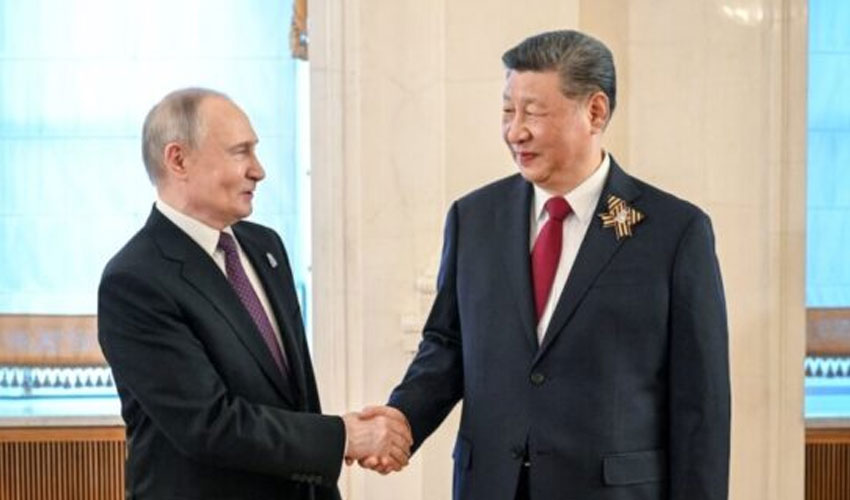
China and Russia have expressed serious concern over terrorism and extremism emanating from Afghan soil, calling it a major threat to regional and global security.
The concerns were raised in a joint declaration issued after a meeting between Chinese President Xi Jinping and Russian President Vladimir Putin.
In the joint statement, Moscow and Beijing said terrorism remains a serious threat to the security of Afghanistan, the region and the wider world.
The two countries stressed that Afghan territory must not be used to threaten neighbouring states. They called for stronger counter-terrorism cooperation between regional countries, the international community and Afghanistan.
Call for peace, stability in Afghanistan
China and Russia said the urgent establishment of sustainable peace, a stable political system and lasting security in Afghanistan is essential. They also expressed support for efforts aimed at eradicating terrorism and preventing Afghan soil from being used against regional security.
Both countries announced their readiness to increase cooperation and coordination on Afghanistan at bilateral and multilateral levels.
Regional mechanisms
Moscow and Beijing described regional mechanisms as important for the political resolution of the Afghan issue.
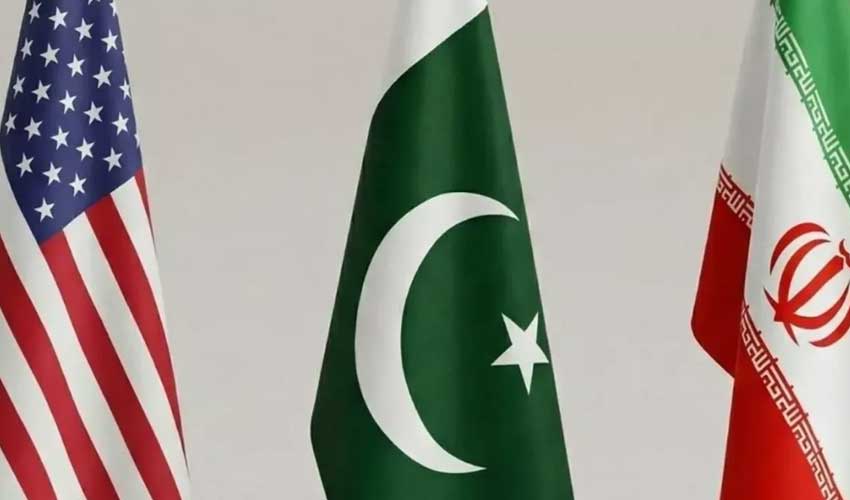
They cited the Moscow Format consultations on Afghanistan, meetings of foreign ministers of Afghanistan’s neighbouring countries, the Russia-China-Iran-Pakistan quadrilateral group and the Shanghai Cooperation Organisation.
According to international experts, the Taliban regime’s alleged sponsorship of terrorist groups has become a constant threat not only to Afghanistan but also to peace across the region.
Experts say the China-Russia joint declaration supports Pakistan’s principled position that Afghan soil must not be used for terrorism against neighbouring countries.
Russia, China remain concerned over Taliban rule
Afghanistan remains a central security concern for regional powers, especially Russia and China. Since the Taliban returned to power, neighbouring countries have repeatedly raised concerns over the presence and activities of terrorist groups operating from Afghan territory.
Russia is particularly concerned about Islamic State Khorasan and Central Asian extremist groups in Afghanistan. Moscow has warned that instability in Afghanistan could threaten Central Asia and reach Russia’s southern borders.
Russian officials have also voiced concern that extremist fighters from the Middle East could move to Afghanistan and use it as a sanctuary for radical groups.
China fears threats to Xinjiang
China has its own security concerns linked to Afghanistan. Beijing fears that Uyghur separatist groups or other extremist movements could use Afghan soil to threaten the security of China’s Xinjiang region.
For this reason, China has repeatedly stressed that Afghan territory must not be used against neighbouring countries.
Despite their concerns, both Russia and China continue to maintain political and diplomatic engagement with the Taliban. They are seeking to influence developments in Afghanistan through dialogue and regional platforms.
Russia has recognised the Taliban government, while China, despite close ties and political engagement, has not yet taken that step.
.jpg)