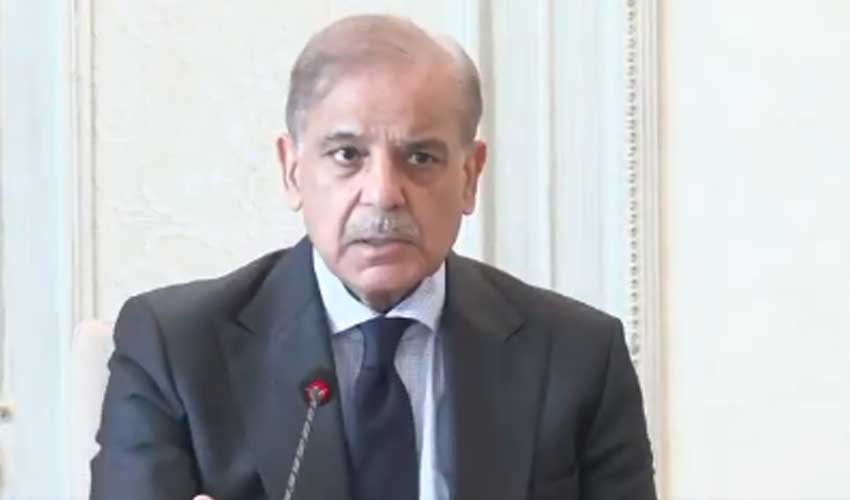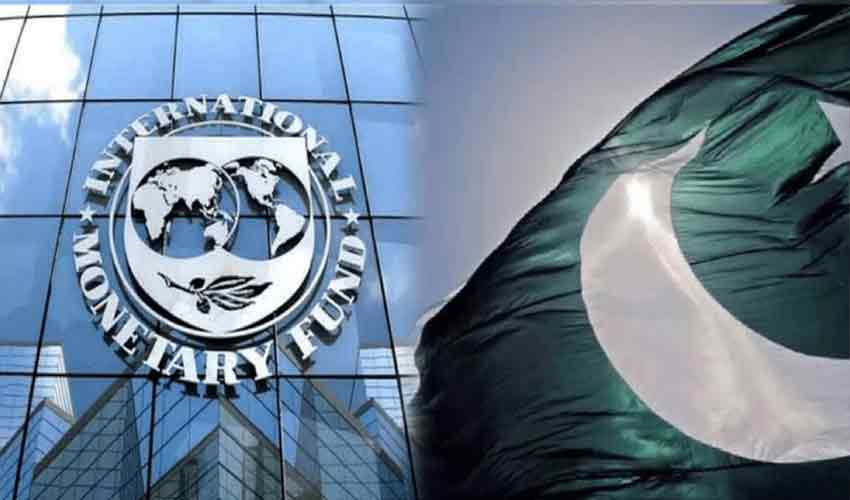
Pakistan and the International Monetary Fund (IMF) have agreed to continue talks on the 2026-27 federal budget in the coming days, while the IMF stressed the need to broaden the tax net, improve tax collection and continue economic reforms.
In a statement issued after concluding her visit to Pakistan, IMF Mission Chief Iva Petrova said the IMF delegation held detailed and constructive discussions with Pakistani authorities on the latest economic situation, reform measures and the budget strategy for the 2026-27 fiscal year.
The talks also reviewed the possible impact of tensions in the Middle East on Pakistan’s economy and examined progress on the reform agenda under the Extended Fund Facility (EFF) and the Resilience and Sustainability Facility (RSF).
According to the IMF, the Pakistani authorities reaffirmed their commitment to achieve a primary budget surplus target of 2 per cent of GDP in fiscal year 2027. Both sides have agreed on measures including expansion of the tax net, improvements in the tax system, reforms in public expenditure and stronger fiscal management at both federal and provincial levels.
The State Bank of Pakistan (SBP) has expressed its commitment to maintain a tight monetary policy for controlling inflation, while exchange rate flexibility was termed as important in dealing with economic shocks.
The discussions also covered reforms in the energy sector, privatisation and improvement of state-owned enterprises, financial sector reforms and the promotion of private investment. The RSF programme also reviewed measures related to climate risks, inclusion of environmental factors in budget planning and reforms in electricity subsidies.
The IMF mission appreciated the cooperation and constructive engagement of federal and provincial authorities and agreed to continue negotiations.



.jpg)