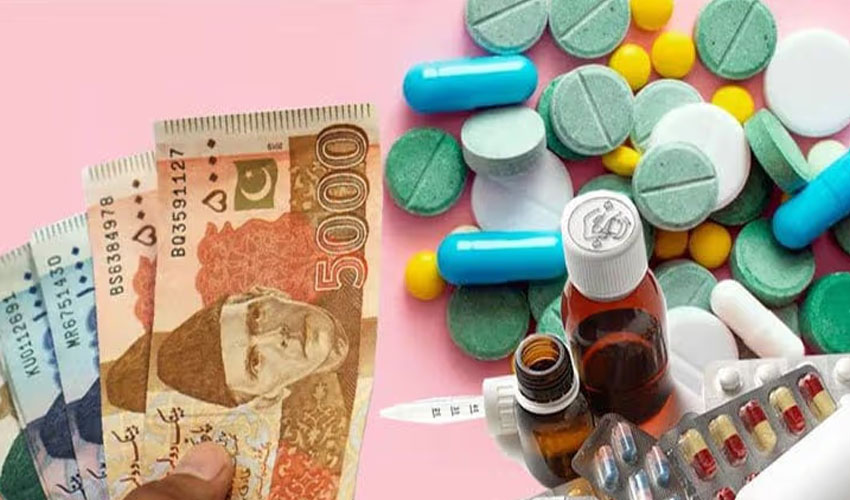
Medicine prices in Pakistan have risen significantly after deregulation policies allowed pharmaceutical companies to set their own rates, according to a new survey by the Drug Regulatory Authority of Pakistan (DRAP).
The findings show a sharp increase in costs over the past two years, raising concerns about affordability and access to essential healthcare.
The DRAP survey reports that medicine prices have increased by 55% over the last two years following the removal of government price controls on non-essential drugs.
Under the current policy, pharmaceutical companies are now authorized to independently set prices for non-essential medicines.
Officials say the move was introduced during the caretaker government as part of broader market reforms.
Mixed trend in medicine pricing
While overall prices have increased, the survey highlights a mixed pattern across different medicines:
- 42% of medicines saw a decrease in prices
- 55% increase in overall medicine prices across the market
- 2.27% of medicines remained unchanged
The data suggests that although some drugs became cheaper, the overall trend remains strongly inflationary.
The second DRAP survey covered more than 700 medicines from 500 non-essential brands.
The study was conducted across major cities, including Karachi, Lahore, Quetta, Peshawar, Islamabad, Faisalabad, and Multan.
Researchers collected data from 192 pharmacies and medical stores to compare retail prices and market variations.
According to officials, both the first and second survey reports will be presented to the Prime Minister next week.
A third-party review is also expected to be submitted to the federal cabinet, which will decide whether to continue or revise the deregulation policy.
Essential medicines still under price control
Despite deregulation for non-essential drugs, essential life-saving medicines remain under government control.
Their prices are still regulated based on the annual inflation rate to ensure affordability for patients.
The deregulation policy removed state control over non-essential drug pricing, shifting responsibility to pharmaceutical companies.
Authorities argue it encourages competition and market efficiency, while critics warn it may lead to price instability and reduced affordability for patients.



.jpg)