A joint report by Pakistan’s Ministry of Health and UNICEF has revealed a concerning presence of lead in the blood of young children across multiple cities.
The findings point to widespread exposure, particularly among toddlers aged 1 to 3 years. Health experts warn the trend demands urgent attention.
The report highlights that lead was detected in children from seven major cities, raising concerns about environmental and public health safety.
Blood samples were collected from children in Islamabad, Haripur, Karachi, Lahore, Peshawar, Quetta, and Rawalpindi to assess exposure levels.
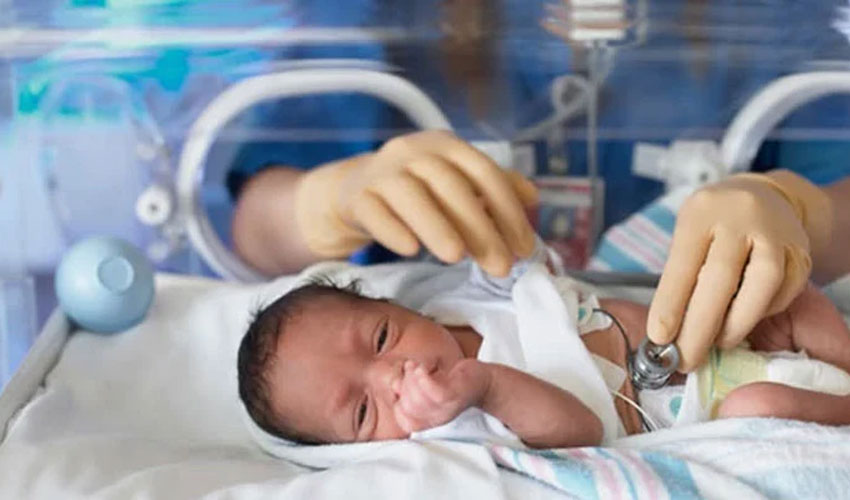
According to the findings, 4 out of every 10 children aged between 1 and 3 years were found to have lead in their blood.
This age group is particularly vulnerable, making the results especially alarming for early childhood health indicators.
City-wise findings show sharp variations
The report reveals stark differences in lead exposure levels across regions.
The highest contamination level was recorded in the Hattar area of Haripur, where 88% of tested children were found to have lead in their blood.
This makes it the most affected location among all surveyed areas.
In contrast, Islamabad reported significantly lower exposure, with only 1% of children showing the presence of lead in their blood.
Other cities, including Karachi, Lahore, Peshawar, Quetta, and Rawalpindi, were also part of the sampling, though specific percentages were not detailed in the report.
The joint effort by the Ministry of Health and UNICEF aimed to evaluate the extent of lead exposure among children in urban and semi-urban areas.
The report underscores the importance of monitoring environmental health risks, particularly those affecting children at an early developmental stage.

.jpg)