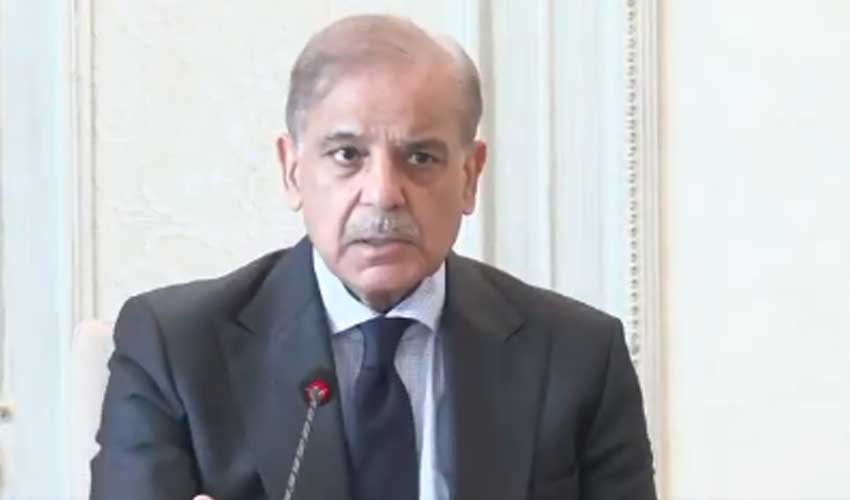
Federal Health Minister Syed Mustafa Kamal has rejected reports of an HIV epidemic in Pakistan, saying the rise in reported cases is linked to expanded screening across the country.
Addressing a press conference in Islamabad, he said HIV is treatable, and patients receiving regular medicine do not spread the disease further.
Kamal said he wanted to inform the nation about the facts related to diseases and clear confusion over HIV reports. He said there is no unusual increase in HIV cases and no epidemic situation in the country.
The minister said the number of HIV screenings has increased significantly, which is why more positive cases have come to light.
HIV screening has increased across Pakistan
According to Kamal, Pakistan had 49 HIV screening centres in 2020. In that year, 37,944 people were screened, out of which 6,910 tested positive for HIV. By 2025, the number of centres increased to 97, while 374,126 screenings were conducted.
The minister said 14,182 HIV cases were reported in 2025. He said the total number of registered HIV cases in Pakistan is 84,000. Out of these registered patients, 61,000 are receiving treatment.
He said HIV is not an incurable disease and can be treated with proper medication. The health minister added that HIV medicine is available only through the government.
No new HIV cases in Islamabad, Taunsa
The federal health minister also termed reports of fresh HIV outbreaks in Taunsa and Islamabad as false. He said not a single new HIV case has been reported in both cities this year.
According to him, the case being referred to in Taunsa was reported in 2024, and the incident being discussed today also belongs to 2024. He said there was no outbreak in Taunsa in 2026.
Kamal said there is no outbreak in Islamabad either. He said Islamabad maintains monthly reports, and the total number of registered HIV cases in the capital is 618. Out of these, 210 cases belong to Islamabad, while 408 cases are from outside the city.
The minister said no other new cases have been reported in Taunsa and Islamabad.
Reuse of syringes linked to HIV infections
Kamal said HIV infections among children in Islamabad, Taunsa and Karachi were linked to the reuse of syringes. He said this was why the government has now made a law to ban the reuse of small syringes.
The minister said 3CC syringes have already been banned, while 10CC syringes are also going to be banned.
Islamabad DHO orders tighter monitoring
Separately, the Islamabad district health officer directed the Healthcare Regulatory Authority to tighten monitoring over the issue of rising HIV cases. In a letter, the DHO called for stricter implementation of rules and regulations in the health sector.
The DHO directed that monitoring of healthcare facilities should be strengthened. He said the use of safe syringes for injections must be ensured.
The letter also directed that blood transfusion processes in blood banks should be made safe and that blood screening must be carried out. It further said links should be integrated among institutions involved in the diagnosis and confirmation of HIV cases.
Hospitals told to follow infection control protocols
The DHO directed hospitals to strictly follow infection control and prevention protocols. The letter also called for activating a mechanism to improve coordination between the DHO office and the Healthcare Regulatory Authority.
Officials said better coordination is necessary to monitor cases and prevent unsafe medical practices.

.jpg)