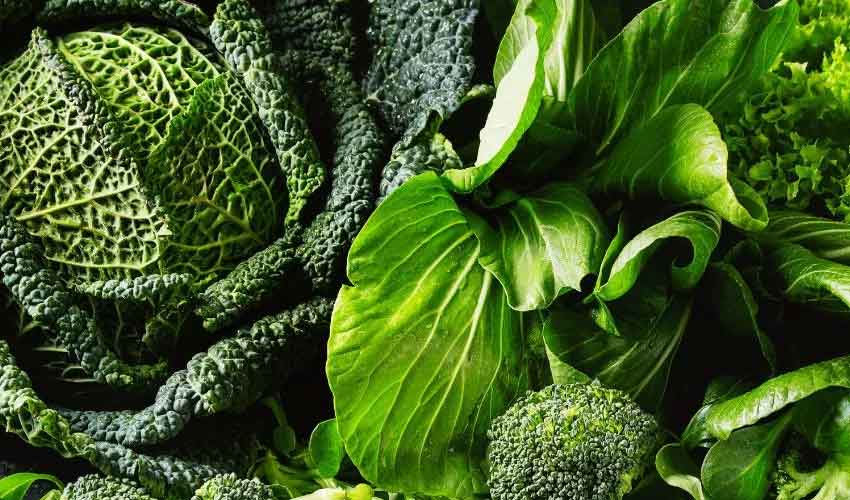
Leafy green vegetables such as lettuce, cabbage, rocket, spinach, chard and kale are regarded among the most beneficial foods for health.
US nutritionist Kristen Carli states that these varieties are “highly rich in nutrients”, prompting health experts to advise their regular consumption. Despite differences in type, most leafy greens share a broad profile of vitamins and minerals. Nutrition expert Rebecca Jaspan notes they contain vitamins A and K, folate, iron and calcium, alongside fibre and antioxidants, as well as magnesium, potassium, lutein, zeaxanthin and natural nitrates.
Carli states that vitamin K is essential for blood clotting, while natural pigments and antioxidants such as lutein and zeaxanthin help protect the eyes from macular degeneration. Natural nitrates support blood flow and heart health, while folate is important for brain function, DNA formation and protection against birth defects.
Iron plays a central role in haemoglobin production and oxygen transport, while calcium supports strong bones and teeth. Fibre aids digestion, regulates blood sugar levels and supports beneficial gut bacteria.
Experts state that regular daily intake of leafy greens contributes to six notable health benefits, including improved digestion, increased energy levels through support for blood cell production, better heart health and reduced inflammation.
Antioxidants also help protect eyesight, while calcium and magnesium content supports bone health. Regular consumption helps reduce the risk of chronic diseases due to active plant compounds.
Experts say leafy greens can be easily incorporated into meals, including salads, sandwiches, juices, cooked dishes, pasta, rice, eggs, sauces and even pastries.
To maximise benefit, nutritionists advise combining them with sources of vitamin C to improve plant-based iron absorption, and with healthy fats such as olive oil or avocado to aid absorption of fat-soluble vitamins.
Variety is recommended to obtain a wider range of nutrients, alongside a mix of raw and cooked forms for optimal benefit.
Although leafy greens shrink considerably when cooked, this allows suitable portions to be consumed without large servings, helping achieve the recommended daily intake.



.jpg)