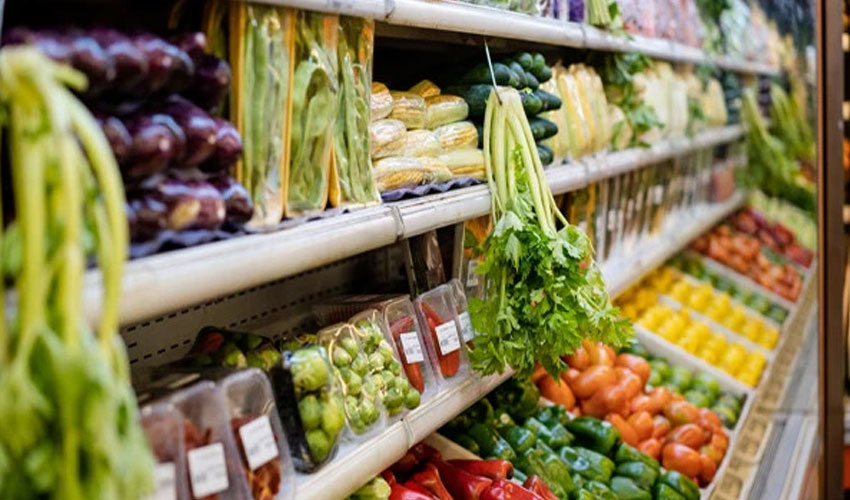
A surprising new study from the United States is raising questions about one of the most widely accepted health habits—eating fruits and vegetables.
Researchers say that for some young non-smokers, a “healthy diet” could be linked to an increased risk of lung cancer.
According to a report published by Science Daily, researchers have found a potential connection between diet and lung cancer risk in people under the age of 50.
The study focused on individuals who do not smoke but maintain diets rich in fruits, vegetables, and grains—foods typically associated with good health.
Researchers observed that younger individuals who followed healthier eating patterns were, unexpectedly, more likely to develop lung cancer compared to the general population.
This finding challenges long-standing assumptions about diet and cancer prevention, particularly among non-smokers.
Pesticide residues under scrutiny
Dr. George Navacca, who led the study, described the findings as “surprising” and said they raise important questions for further research.
He pointed out that non-organic fruits, vegetables, and grains may contain high levels of pesticide residues. These chemicals, he suggested, could be a hidden factor contributing to cancer risk in younger individuals.
Dr. Navacca emphasized that while the results are concerning, they are not definitive. Instead, they highlight the need for deeper investigation into how environmental factors—such as pesticide exposure—interact with diet and health.
The study opens a new area of discussion around food safety and long-term health risks.


.jpg)