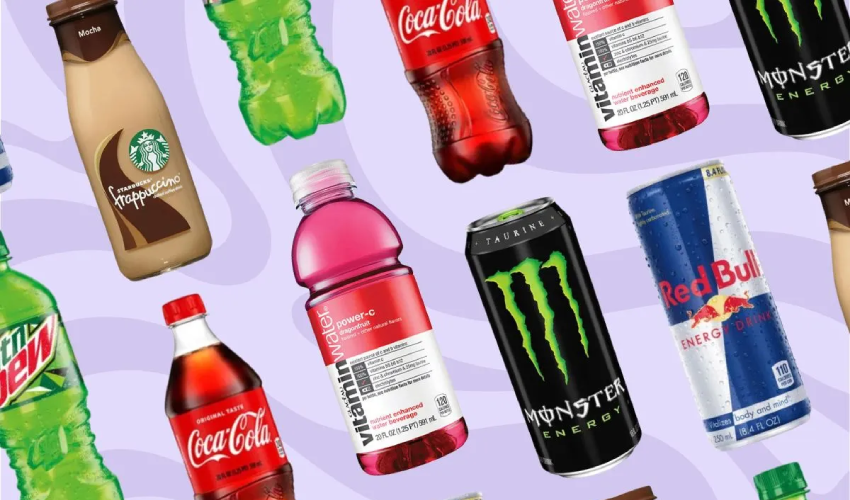
Soft drinks, widely consumed in daily life, are emerging as a serious health concern, with new research suggesting a potential link between sugary carbonated beverages and reduced fertility in both men and women.
According to a study published in the medical journal Epidemiology, researchers warn that regular consumption of these drinks may negatively affect reproductive health and lower the chances of conception.
Scientists from Boston University’s School of Public Health analyzed data from 3,828 men and women aged between 21 and 45 in the United States and Canada. The study examined participants’ diets, lifestyles, and medical histories in detail.
Female participants were surveyed every two months to track health updates and pregnancy outcomes. After one year of observation, researchers found that individuals with high soft drink consumption had up to a 20% lower chance of becoming parents each month compared to those who consumed less.
Experts also highlighted that sugar intake in diets has significantly increased over the past five decades, particularly due to the rising consumption of sugary beverages. This trend has been associated with growing rates of obesity and diabetes worldwide.
Medical specialists caution that excessive intake of soft drinks may negatively impact the reproductive system, potentially reducing fertility in both genders. They advise limiting sugary beverages and adopting a balanced, healthier diet to improve long-term well-being and reproductive health.



.jpg)