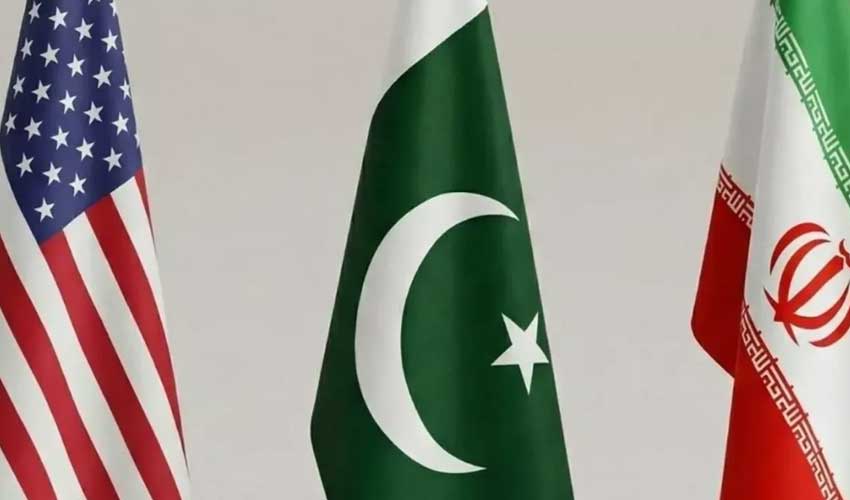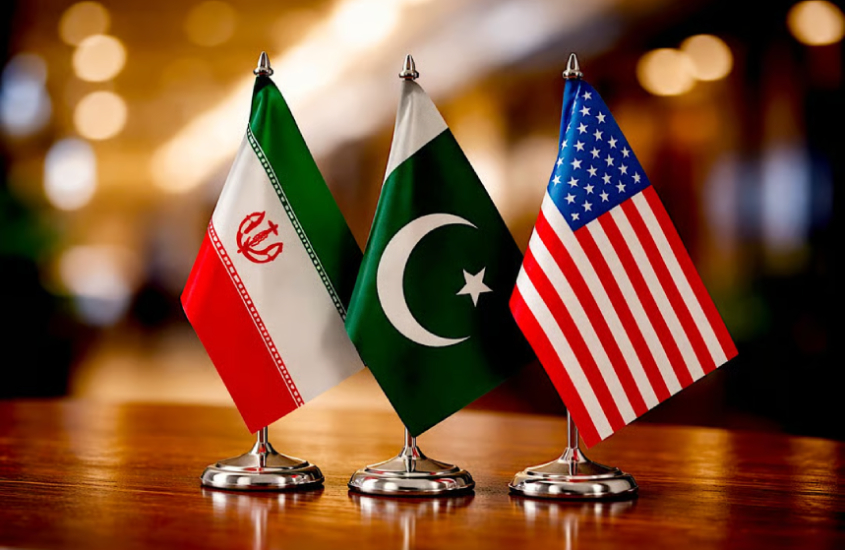
A ceasefire is finally in motion. Senior American and Iranian government officials reaching Islamabad today is undoubtedly an unprecedented diplomatic victory for Pakistan. We can say that Islamabad’s silent diplomacy has paid off and is making noise so loud that even the most deafening ears cannot ignore it. After all, the recently announced ceasefire between Iran and the United States is a huge win not just for Tehran and Washington, but for the entire world that watched global oil supplies and shipping lanes come to a grinding halt. Nevertheless, this breakthrough carries clear losers, and they are not hiding.
The biggest loser in this episode is undoubtedly Israel. It wanted this conflict to drag on, just like the endless war between Russia and Ukraine. After all, it is the only entity in the region that has had its bread buttered on both sides of the fighting. Foreign Minister Ishaq Dar has repeatedly voiced concern over Israeli attempts to sabotage the peace process. Also, when Prime Minister Shehbaz Sharif announced that the ceasefire would also cover Lebanon, it must have stung Tel Aviv hard, especially when scholar Vali Nasr called it “quite an unexpected” success for Iran’s long-standing demand. Ultimately, Israel’s preference for prolonged tension has been checked, at least for now.
The second loser is India. New Delhi first backed Israel enthusiastically and then could not stomach the fact that Pakistan, not India, spearheaded the mediation between Iran and the United States. Although the Indian foreign ministry offered a tepid welcome to the ceasefire, External Affairs Minister S Jaishankar’s pointed remark that “India is not a go-between country” reveals the Modi government’s deep frustration.
Metaphorically speaking, India expected a prominent seat at the negotiation table. However, it was not even allowed to enter the complex. Regardless of how loudly it protests, Pakistan has once again demonstrated its diplomatic weight while India watches from the sidelines.
When all is said and done, Pakistan has defeated both these losers and firmly secured its place as a key issue-resolver and peacemaker. This is no small feat in a high-stakes crisis that erupted on February 28 and quickly threatened to engulf the region.
Islamabad moved with remarkable speed. Within days of the first strikes, Pakistani officials began activating diplomatic channels across multiple capitals while publicly maintaining neutrality. Pakistan’s unique position — representing Iran’s interests in Washington and sharing a long border with Iran — gave it rare access to both sides when direct Iran- US communication had collapsed. Strong ties with all key players, trust from the White House, ongoing engagements with Tehran, and crucial buy-in from ally China (which holds significant leverage with Iran) has indeed proved decisive.
As Washington-based scholar Michael Kugelman observed, Pakistan also had compelling reasons to step forward: it is especially vulnerable to the conflict’s spillover and had every strategic interest in showcasing its agency as an influential regional actor. In a later post on X, Kugelman rightly called it “one of Pakistan’s biggest diplomatic wins in years,” noting that it defied many sceptics and naysayers who doubted Islamabad’s capacity for such a complex feat.
Anyhow, the effort was not limited to back channels. The most visible phase unfolded on March 29-30 when foreign ministers from Pakistan, Saudi Arabia, Egypt, and Turkiye met in Islamabad under Ishaq Dar’s leadership. The prime focus of that moot was to prevent further military escalation and lay the groundwork for Iran-US talks. When immediate negotiations did not materialise, some observers rushed to declare the initiative dead. Nonetheless, Islamabad intensified its outreach instead of backing down.
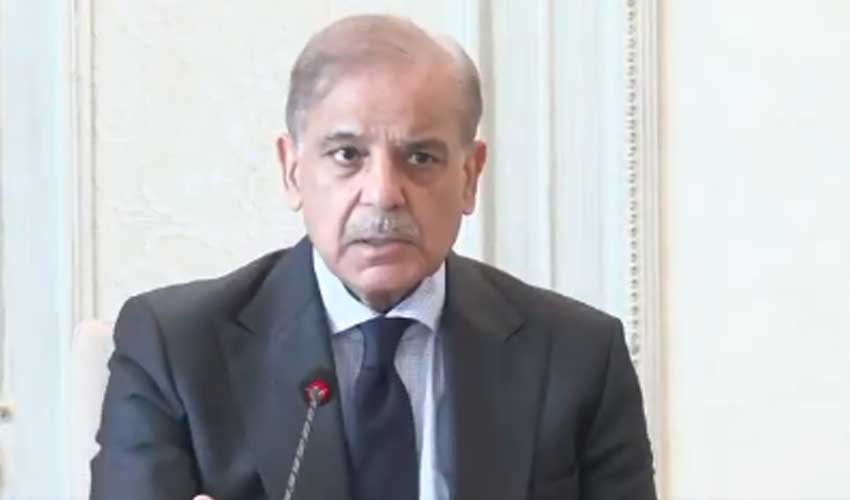
Shehbaz Sharif and Ishaq Dar engaged more than a dozen world leaders and senior officials across Washington, Moscow, Beijing, European capitals, and key Gulf states. Simultaneously, the military leadership played a reinforcing role. Chief of Defence Forces Field Marshal Syed Asim Munir held important conversations with senior US officials, including President Donald Trump, while keeping channels open with Iranian counterparts, including figures linked to the Islamic Revolutionary Guard Corps. These parallel civilian and military efforts ensured that communication never fully broke down.
In the first week of April, Pakistan circulated a practical ceasefire framework, calling for an immediate halt to major hostilities, followed by a defined two-week diplomatic window for structured negotiations. The proposal emphasised confidence-building measures, especially de-escalation around critical maritime routes that had become a dangerous flashpoint.
Eventually, on April 7, Washington and Tehran announced they would observe the two-week ceasefire, opening the door to direct or proximity talks. Officials in multiple capitals credited Pakistan’s sustained, discreet mediation as a decisive factor in breaking the impasse.
Now, Pakistan is set to host both sides today in Islamabad to explore a more durable arrangement. But it would be naive to believe that this will be the final meeting. Follow-up engagements and simultaneous parleys at multiple levels are expected in the weeks ahead before any comprehensive agreement is signed. The next phase will test whether this temporary truce can evolve into something lasting, especially given remaining differences over regional security and maritime access.
Nonetheless, for Islamabad, this ceasefire already represents a significant achievement. Field Marshal Asim Munir deserves particular credit for his back-to-back efforts, holding meetings and telephonic conversations with heads of state and senior officials to garner support for peace. It can be said that he first secured a military victory for Pakistan in the May 2025 war and then helped secure peace by playing a key mediating role between Iran and the United States.
The road ahead is challenging, as sharp differences persist and could cause a few hiccups. Regardless, Pakistan has already changed the narrative. It has shown that it possesses both the will and the capability to act as a bridge in one of the most dangerous conflicts on the planet.
When all is said and done, this ceasefire proves that quiet, determined diplomacy from Islamabad can deliver results. This is the reason Pakistan stands taller today. And this is why the world and its powerful bodies are hailing Pakistan.

.jpg)