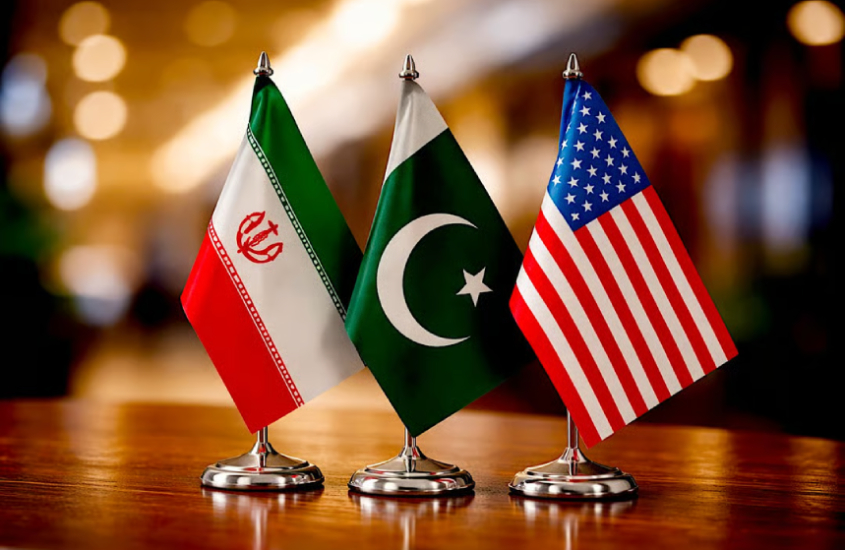
Pakistan achieved one of its biggest diplomatic victories in recent years on April 7, 2026 (Tuesday night to be precise). Arguably, it defied the naysayers and skeptics who doubted Islamabad’s capacity to pull off such a complex, high stakes exploit. On top of all, what mattered the most, Pakistan helped avert a potential catastrophe in Iran, which otherwise would have extremely serious implication not only for the Middle East region, but for the continents also. Pakistan swiftly made possible an “impossible” breakthrough as from crisis to dialogue, Islamabad delivered when it was needed the most. Indeed, it is a proud moment for the nation and peace loving nations across the globe.
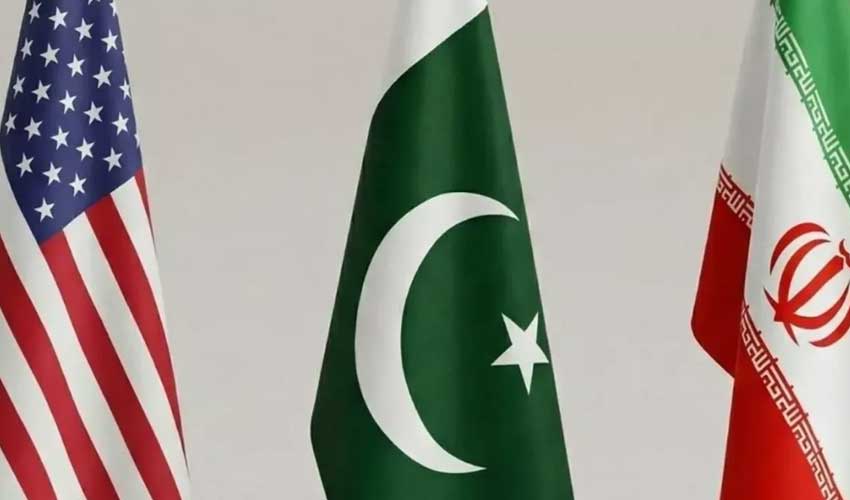
The accord reached between the United States of America and the Islamic Republic of Iran through Pakistan’s diplomacy is not simply a diplomatic agreement. Rather, it is a testament to Pakistani leadership’s diplomatic acumen - long underestimated and perpetually undervalued. The phased de-escalation framework between the US and its Gulf allies and Iran can largely be accredited to a mixture of factors including geographic leverage, political will, and decades old personal relationships. At the epicenter of the entire activity stands Pakistan, which shares 900-kilometre border with Iran, and has improvised relations with Washington in recent times. Pakistan is being led by two men who have very different backgrounds but have forged an unusually coherent foreign policy vision.
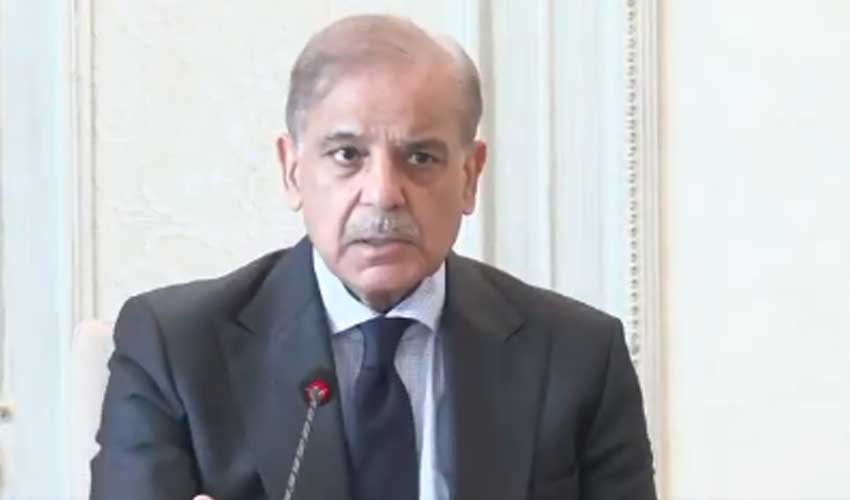
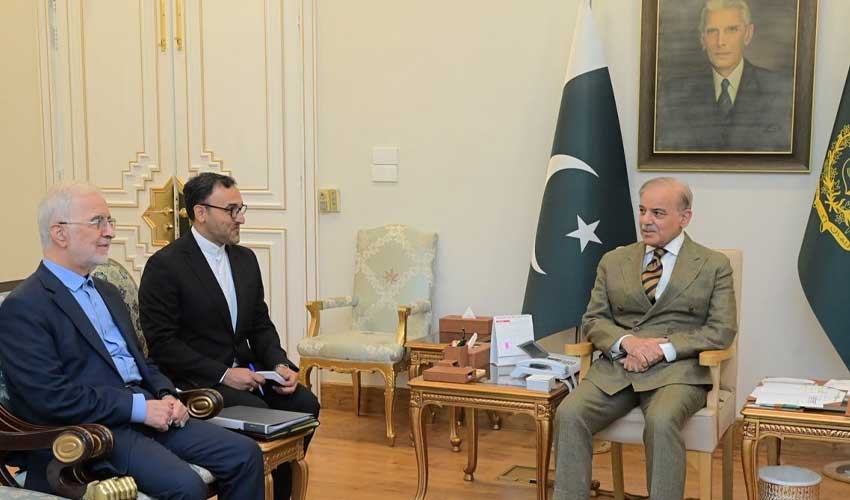
The duo comprises pragmatic administrator Prime Minister Muhmmad Shehbaz Sharif who has spent decades in Pakistani politics, and former intelligence chief Field Marshal Asim Munir who now leads Pakistan Army- the most powerful institution in the country. Both of them have emerged as natural partners in peacemaking but they have functioned as precisely a shared frequency at a moment of acute global need.
The Back-Channel Diplomacy
As the part of its backdoor diplomacy efforts through a meticulously sequenced operation, Pakistan has remained engaged in 'consultative meetings' with Tehran and Riyadh despite the bitter Saudi-Iranian rivalry through extraordinary delicacy. Over the years, Pakistan has managed to maintain neutrality that has made Islamabad a credible interlocutor amid the crisis engulfing the world.
During his reportedly discreet visit to Oman early March, Field Marshal Asim Munir met with Omani senior officials, who have historically served as a channel between Tehran and Washington, as they were essential to the process. However, this time around, Pakistan was not merely a spectator, rather it served as an architect of peace and reconciliation.
In an era of fissured multilateralism, PM Shehbaz Sharif and Field Marshal Asim Munir combined their forces for this unique breakthrough, which few hoped being near to materialize.
The Trump administration found itself in a strategic impasse as the reimposition of sweeping sanctions had not resulted in the behavioural change Washington has been vouching for. As Tehran accelerated its nuclear activities, the Gulf States became nervous, and the prospect of military confrontation in the region started feeling uncomfortably real.
In this background Pakistan's offer to serve as a ceasefire facilitator found traction. Reportedly, Washington appeared skeptical initially, but Islamabad had something valuable access. Pakistani officials had swift access to senior figures in Tehran to enable meaningful communication while credibly reassuring the Americans that they were not advocating for Iran
Insert Tweet by PM Shehbaz Sharif
With the greatest humility, I am pleased to announce that the Islamic Republic of Iran and the United States of America, along with their allies, have agreed to an immediate ceasefire everywhere including Lebanon and elsewhere, EFFECTIVE IMMEDIATELY.
— Shehbaz Sharif (@CMShehbaz) April 7, 2026
I warmly welcome the…
Delivered from the Prime Minister's Office on April 5, Prime Minister Shehbaz Sharif's statement was characteristically measured as he spoke of Pakistan's 'historic responsibility' as a bridge-builder between civilizations, and thanked Washington and Tehran for their 'courageous engagement.' Behind the careful language was something more elemental: the satisfaction of a leader who had taken a significant personal risk and seen it pay off.
The Asim Munir Factor
Mr. Asim Munir — Pakistan’s Army Chief elevated to the rank of Field Marshal — is not a figure conventionally dealing with multidimensional proactive peacemaking processes. With his marvelous background in intelligence, Mr. Asim Munir is a man of uncompromising calculation rather than diplomatic flourish. However, these qualities appear to have made him more effective in the entire peace process.
Mr. Asim Munir's strong military-to-military ties across the region - cultivated during his tenure at the Pakistan’s Inter-Services Intelligence chief and in subsequent roles - gave Pakistan discreet back channels that no foreign ministry or any office alone could have maintained. Mr. Asim Munir's unblemished credibility with the Gulf military establishments remained crucial to assuring Saudi Arab and the UAE that no deal would alter the regional security architecture.
It is conspicuous that a diplomatic breakthrough of this magnitude shepherded in part by a Pakistan’s military chief vividly reflects Pakistan's unique positioning in the regional and global affairs and the broader dysfunction of formal multilateral institutions. The United Nations Security Council (UNSC) remained gridlocked while the Western diplomatic efforts remained invisible. And, Islamabad stepped into that vacuum.

President Trump's endorsement of Pakistan's role was noteworthy. For some reasons, Pakistan has been viewed by the Trump administration through the narrow lens of Afghanistan and counterterrorism. That a Pakistani-backed framework earning a presidential thumbs-up on social media nodded a short-term step on how Washington viewed its South Asian partner.
Leading the United States’ recalibrated Iran strategy, JD Vance struck a more thoughtful note. His portrayal of Pakistan as an 'honest broker' was strikingly calibrated as this designation carries genuine weight in the lexicon of international relations. It reflects reliability, impartiality, and a commitment to process over outcome. This designation clearly reflects a visible shift on how the US foreign policy establishment has started viewing about Pakistan’s potential role.
Tehran's Calculation
Perhaps the most analytically interesting dimension of this story has been Iran's willingness to engage in the process through the Pakistani channel. Historically, Tehran has remained suspicious of external mediation due to the US pressure. A pragmatist who came to office promising a more flexible foreign policy posture, Iran’s President Masoud Pezeshkian chose to work through Islamabad, reflects his reform instincts and a clear understanding of Iran's economic position.
آتشبس با پذیرش اصول کلی مورد نظر ایران، ثمره خون رهبر شهیدمان خامنهای بزرگ و دستاورد حضور همه مردم در صحنه بود. از امروز نیز همچنان کنار هم خواهیم ماند. چه در میدان دیپلماسی، چه در میدان دفاع، چه در صحنه خیابان و چه در عرصه خدمترسانی.#باهم_بودنمان_پیروزی_است
— Masoud Pezeshkian (@drpezeshkian) April 8, 2026
Pezeshkian's statement was careful to frame the agreement as Tehran choose to engage in a dialogue. This frame of mind matters the most in Iranian politics, where hardliners remain a powerful force and where any agreement that smacks of concession will face fierce opposition. The Pakistani channel gave Tehran the political cover it needed to engage without appearing to have buckled under the US or the Western pressure.
What Comes Next
This has been the beginning of the hard work in the long run. The Pakistan-facilitated framework accord is not a comprehensive agreement. The phased sanctions relief, limits on Iran’s nuclear enrichment programme, and security assurances for the Gulf nations are the specific contours of the de-escalation deal. These contours still largely remain to be negotiated in formal settings. The accord does not mean that Pakistan's role as a facilitator is extended to resolving decades old implementation, as the Arabs and the US have a long and complicated history of talking past each other.
All the parties involved in this process have been facing pressure on domestic fronts, which may derail the entire process. Iran’s Revolutionary Guard Corps has made clear its skepticism while in the US, the Congressional hawks have already started warning against the appeasement. Likewise, in Pakistan, there are few voices that question whether Islamabad's diplomatic activism is wise, given the country's own economic fragility and the risks of being dragged into a geopolitical theatrics.
However, despite all the caveats, something real has happened which has given the world a chance heave a sigh of relief due to Pakistan’s demonstrated capacity for proactive, sophisticated international engagement. Representing civil-military dynamics, the Shehbaz Sharif-Asim Munir duo has delivered an astonishing result that eluded larger and better-resourced diplomatic machines.
The central question still remains under tight scrutiny that whether Islamabad can sustain this momentum or it has it has the institutional strength to translate this opportunity into a lasting strategic asset. But the silver lining is that the country's leadership seems to have learned from missed opportunities of the past.
In Islamabad, in Tehran, in Washington and Riyadh, the formal diplomatic channels have taken over the process. But, the back-channel conversations, quiet meetings in Muscat and Riyadh, carefully worded messages relayed through trusted intermediaries orchestrated from the unlikely diplomatic hub of Islamabad made this possible.
Pakistan, for once, is not reacting to the world. It is shaping it.
.jpg)