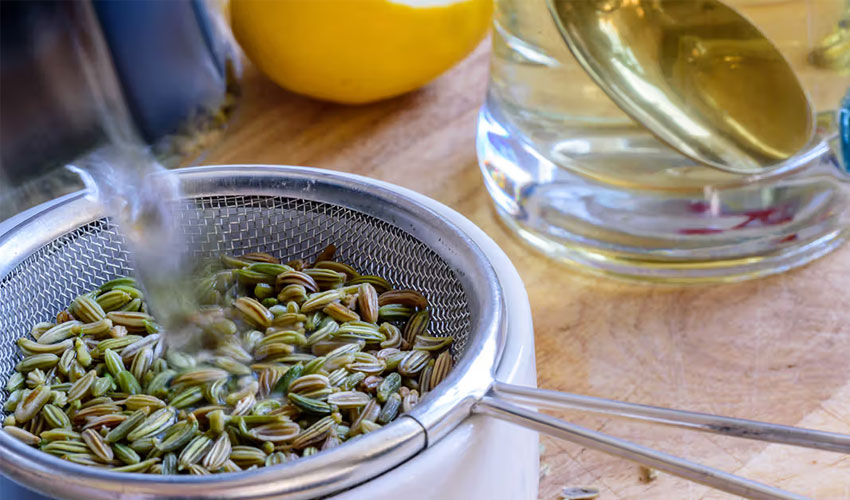
A simple kitchen ingredient long used in traditional recipes is now gaining renewed attention for its health benefits. Experts say eating fennel after meals can significantly improve digestion and gut health.
Health experts, including gastroenterologists and nutritionists, are highlighting the benefits of eating fennel after meals.
According to specialists, this age-old practice supports the digestive system, reduces stomach gas, and improves overall intestinal health.
Fennel has been used in traditional home remedies for centuries, and modern research is now backing many of its claimed benefits.
Improves digestion naturally
Fennel contains natural compounds that help reduce gas and bloating, especially after consuming heavy or poultry-based meals.
Its fiber content and anti-inflammatory properties also play a key role in easing digestive issues.
Experts say fennel can be beneficial for conditions like indigestion, constipation, and other stomach-related problems.
Regular consumption may help maintain smoother digestive processes.
Chewing fennel seeds after meals is also known to freshen breath.
It works by reducing bacteria in the mouth while increasing saliva production, helping keep the mouth clean and odor-free.
Soothes stomach discomfort
Gastroenterologists note that fennel has mild antispasmodic properties. These help reduce stomach pain and intestinal discomfort.
Fennel also helps in the release of trapped gas and supports a quicker digestive process, making it easier for the body to process food.
Nutritionists suggest that chewing about one teaspoon of fennel after each meal can be beneficial.
This small daily habit may contribute to better digestion and overall gut health.



.jpg)