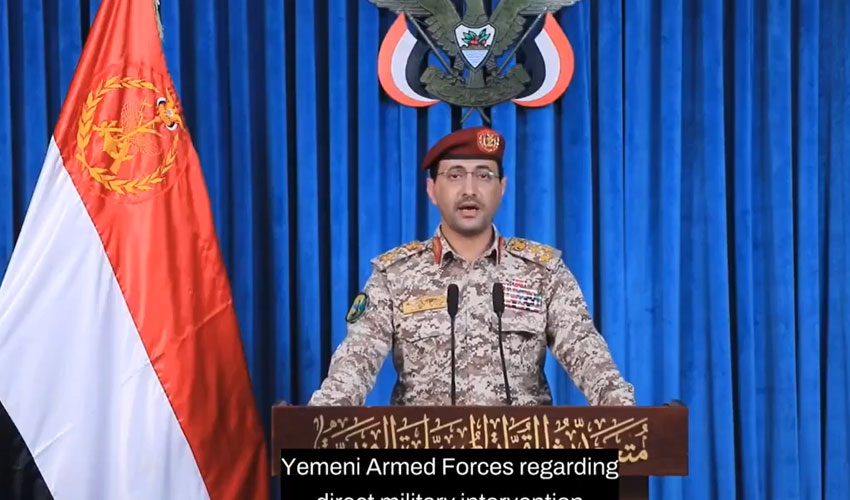
Yemen's Iran-backed Houthi movement announced a naval blockade against Saudi Arabia on Monday, opening a new front in the widening conflict between the United States and Iran and raising fresh concerns over global energy supplies and maritime trade.
In a statement, the Houthis said they were imposing an immediate "maritime embargo" on what they described as the "criminal Saudi enemy", citing retaliation for what they called an "unjust and oppressive siege" imposed on Yemen.
Saudi Arabia did not immediately comment on the announcement.
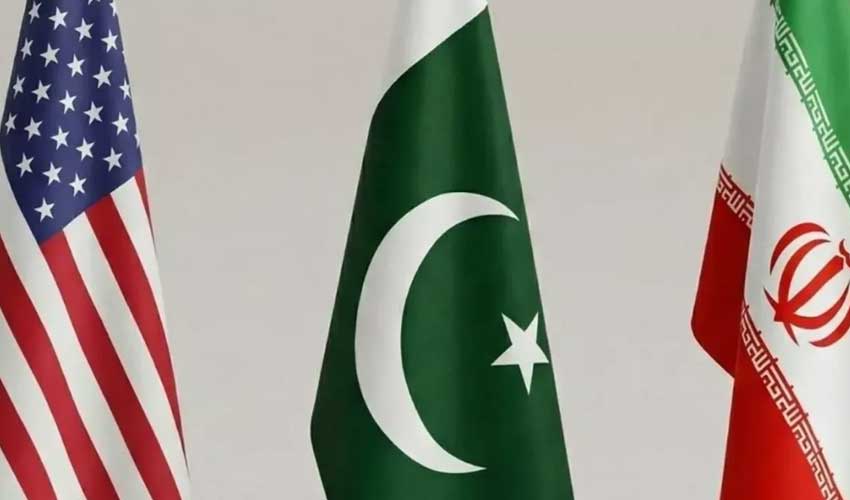
The move comes despite renewed diplomatic efforts aimed at preventing further escalation. According to Reuters, mediators have presented Iran with a proposal for a 10-day ceasefire intended to revive an interim agreement reached last month between Tehran and Washington.
Iran's Foreign Ministry confirmed that proposals from mediators had recently been received, although it declined to provide further details.
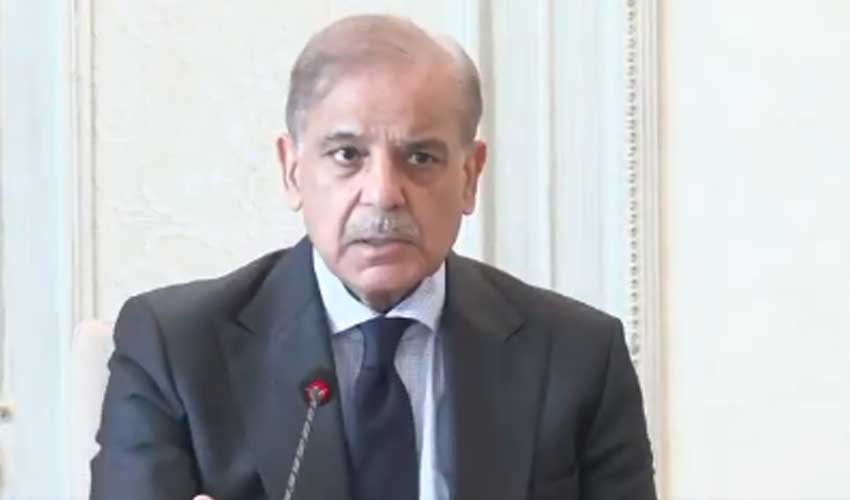
Separately, Pakistani government sources told Reuters that Iran's Interior Minister Eskandar Momeni requested Pakistan to resume its mediation efforts between Tehran and Washington during a visit to Islamabad.
The diplomatic push followed another night of US airstrikes targeting multiple Iranian cities, including Tabriz, Chabahar, Konarak, Bandar Mahshahr and Bandar Imam Khomeini. Iranian state media reported one person was killed and several others injured near Tabriz.
The US military said it had carried out its ninth consecutive night of strikes aimed at reducing Iran's ability to threaten commercial shipping in the Strait of Hormuz.
Meanwhile, Iran's Islamic Revolutionary Guard Corps (IRGC) claimed two oil tankers exploded after attempting to transit the Strait of Hormuz via what it described as an "unsafe route". The IRGC did not identify the vessels or report casualties, and Reuters could not independently verify the claim.
The United Kingdom Maritime Trade Operations (UKMTO) also reported that a commercial vessel off Oman's coast had been struck by an unidentified projectile, leaving it adrift, although all crew members were reported safe.
The IRGC further said it launched ballistic missiles at US military assets in Jordan and Kuwait, while Kuwait's military reported intercepting Iranian drones for a second consecutive day.
Kuwait also said one of its desalination plants had been struck again, causing a fire at the facility. The government described the incident as an attack on critical civilian infrastructure.
US Secretary of State Marco Rubio said Washington would continue military operations as long as Iran threatened international shipping routes but stressed that the United States remained open to a diplomatic solution.
Iran likewise indicated it had not closed the door on diplomacy, with Foreign Ministry spokesperson Esmaeil Baghaei confirming that mediation efforts remain active.
.jpg)