Venezuela’s earthquake disaster continues to worsen, with the official death toll rising sharply as rescue efforts enter a critical phase. Survivors, volunteers, and aid workers are racing against time while criticism mounts over the government's handling of the crisis.
The death toll from Venezuela’s twin earthquakes has climbed to 3,342, according to updated figures released by the country’s Information Ministry on Sunday.
The ministry said 16,470 people have been injured, while the number of people left homeless has increased to 17,345, underscoring the growing scale of the humanitarian emergency.
President defends govt response
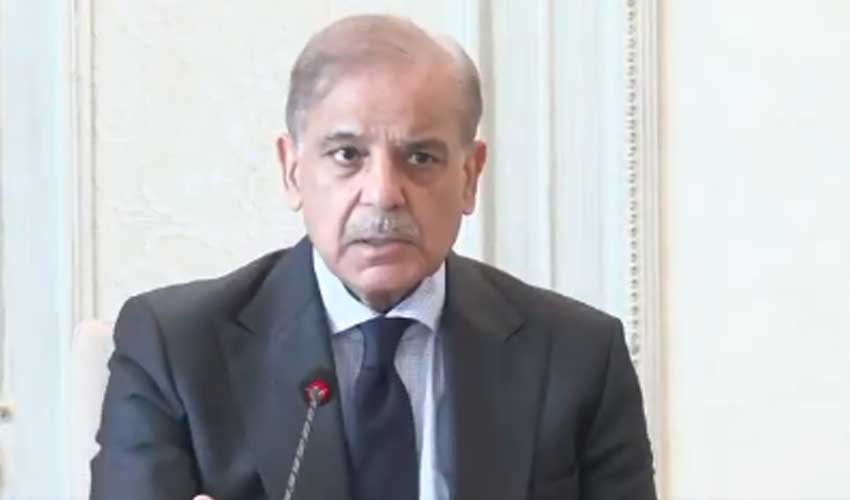
Speaking during celebrations marking Venezuela’s 215th Independence Day, Interim President Delcy Rodriguez defended the government’s response amid increasing public frustration over what critics described as a delayed and inadequate reaction to the disaster.
Rodriguez said security forces were deployed immediately after the earthquakes and announced the creation of a new military unit dedicated to responding to emergencies and natural disasters.
Survivor recounts 55-hour ordeal beneath rubble
Among the many survivors is Juan Zapata, who had just finished dinner in his fifth-floor apartment overlooking the Caribbean and was preparing to take a shower when the twin earthquakes struck Venezuela’s coast 10 days ago.
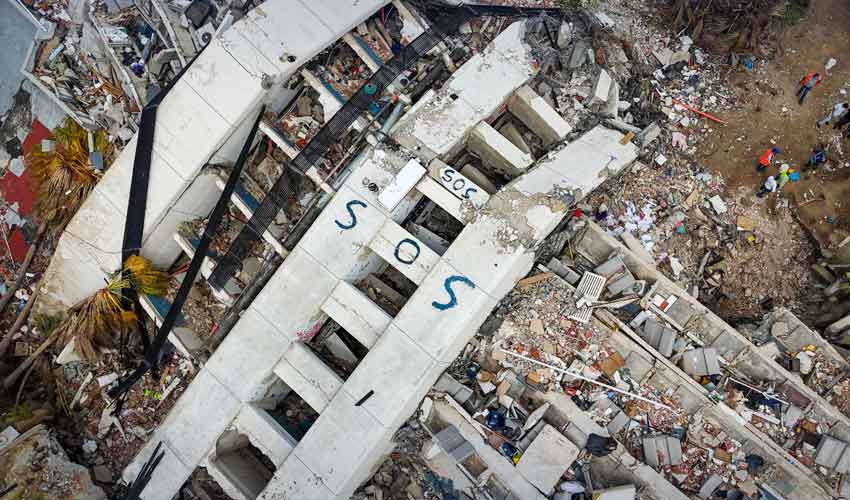
The violent shaking hurled him across the room before his apartment building collapsed. Zapata spent two days and seven hours trapped beneath the rubble, pinned between two pieces of reinforcing steel, before civilian rescuers managed to free him.
"When they were rescuing me I said, 'I'm on the fifth floor,' and they told me, 'No, you're in the lower basement,'" Zapata recalled from a field hospital in La Guaira state. "I couldn't believe what had happened to me."
Zapata was initially treated at a public hospital in La Guaira, one of the areas hardest hit by the earthquakes, before being transferred to a field hospital operated by disaster relief organization Samaritan's Purse.
After returning to the site of his apartment building, Costa Brava, he found it completely destroyed. He is recovering from multiple fractured ribs, deep cuts, and serious bruises. His lower legs remain bandaged, and he says breathing is still painful.
"All my material things were lost, but God has given me health," Zapata said.
He has also been unable to contact his daughter in the United States or his sister in Canada because his phone was lost in the disaster. His identification card and other personal documents were also buried in the collapse.
Rescue efforts continue, thousands displaced
Before Sunday's updated figures, the government had reported 2,954 deaths on Saturday and said nearly 30,000 government officials had been deployed alongside 3,281 international rescue workers to assist affected communities.
Authorities previously said more than 16,000 people were homeless, with many staying in official shelters while others continue living in temporary tent camps.
An unofficial but widely referenced estimate places the number of missing people at more than 41,000.
Field hospital treats hundreds of patients
The field hospital operated through coordination between the U.S. State Department and several humanitarian organizations has already treated around 400 patients, according to medical director Peter Holz.
Nearly 30 surgeries were expected to be completed by Saturday evening as doctors shifted from emergency trauma care toward longer-term treatment.
"In the beginning it's all trauma from the earthquake, then we will have follow-up surgical visits," Holz said.
He explained that Samaritan's Purse's 100-member medical team will gradually transfer operations to local healthcare providers, either by continuing services at the field hospital or integrating equipment and medical supplies into nearby clinics.
"It will develop more into a community health center," Holz said. "There's a lot of sad stories but also a lot of hope in the midst of all of it."
While government officials maintain that emergency measures were implemented quickly, many survivors, volunteers, and aid organizations have sharply criticized the official response.
The twin 7.2- and 7.5-magnitude earthquakes, which struck on June 24, prompted civilians, volunteer paramedics, and international rescue teams to rush into devastated communities to search for survivors.
Many volunteers say essential aid, including food, medical supplies, and heavy machinery needed to remove debris, arrived too slowly.
Families continue desperate search for loved ones
At the heavily damaged Los Cocos public housing complex in La Guaira, civilian rescue teams continued searching through collapsed buildings nine days after arriving.
Alexander Delgado, normally a physical education teacher from Aragua state, has been coordinating volunteers working tirelessly to recover victims.
Among them is Miguel Poleo, who joined the search hoping to find his stepdaughter and her family.
So far, the only member of the family he has found is their dog, dead beneath the rubble.
"I don't think they're alive anymore," Poleo said while taking a break from clearing debris inside a tunnel.
He rejected official claims that assistance arrived promptly.
"The president said that help arrived quickly, but it wasn't like that," Poleo said. "We've gotten help from regular people."
Although soldiers have participated in rescue operations, Poleo believes the overall official presence remains insufficient.
"The police are walking around with their guns, their semi-automatics, as if we are in a war," he said. "What we need them to do is work."
Poleo and Delgado both vowed to remain at the disaster site until every victim has been found.
For Poleo, the mission is deeply personal.
"We need to find the bodies," he said, explaining that he wants to give his wife the chance to properly bury her daughter and grandchildren.
.jpg)