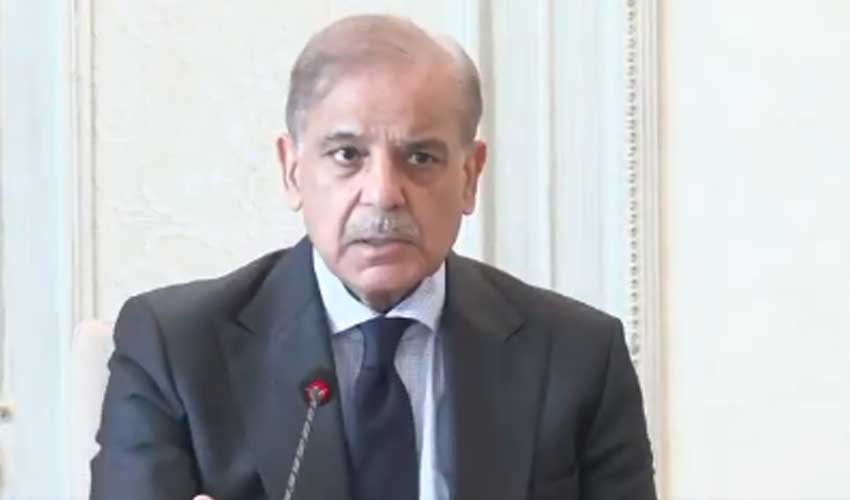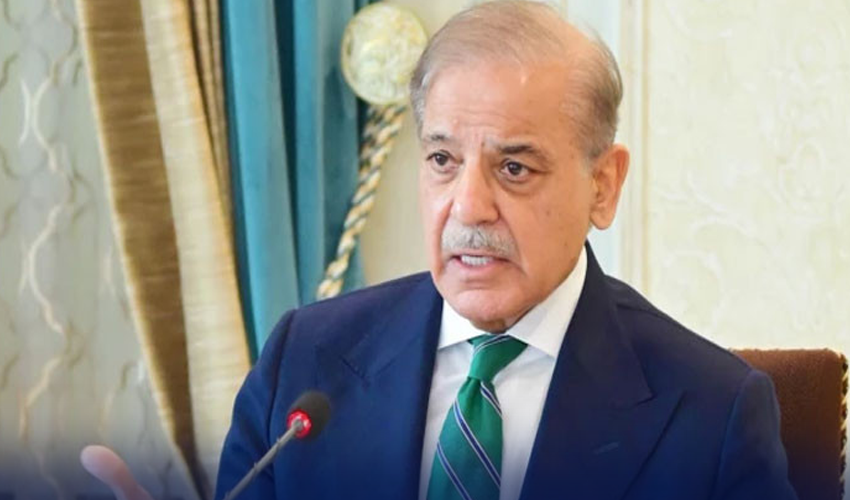
Prime Minister Shehbaz Sharif chaired a review meeting on the implementation of the National Tariff Policy 2025-30 and broader economic reforms.
During the meeting, he reiterated that achieving export-led economic growth remains one of the government's foremost priorities and emphasized the need for policies that support industry, trade, and investment.
AI and technology to modernise tariff commission
The prime minister directed officials to introduce innovation within the National Tariff Commission by utilizing modern technology and artificial intelligence.
He said the commission plays a critical role in facilitating industrial growth, trade expansion, and investor confidence, and should continue evolving to meet modern economic challenges.
Officials briefed the meeting on the implementation of the five-year tariff policy, under which tariffs for various sectors will be reduced gradually.
According to the briefing, the phased tariff reductions are designed to enhance competitiveness, lower business costs, and support export-oriented industries.
Relief for pharmaceutical sector
The meeting was informed that customs duties on raw materials used by the pharmaceutical sector are being abolished to support local production.
Officials also said customs duties on raw materials specifically used in the manufacturing of cancer medicines will be eliminated, aiming to reduce costs and improve access to essential treatments.
As part of the tariff reforms, duties on reefer containers and semi-trailers will be abolished to support the logistics sector and improve supply chain efficiency.
The meeting was also informed that customs duties on specialized vehicles and machinery used in the construction sector are being reduced to encourage infrastructure development and investment.
Prime Minister Shehbaz emphasized that the National Tariff Commission must play a proactive role in facilitating investors and industrialists.
He said an efficient tariff regime is essential for enhancing Pakistan's economic competitiveness and attracting investment in key sectors.
.jpg)
.jpg)