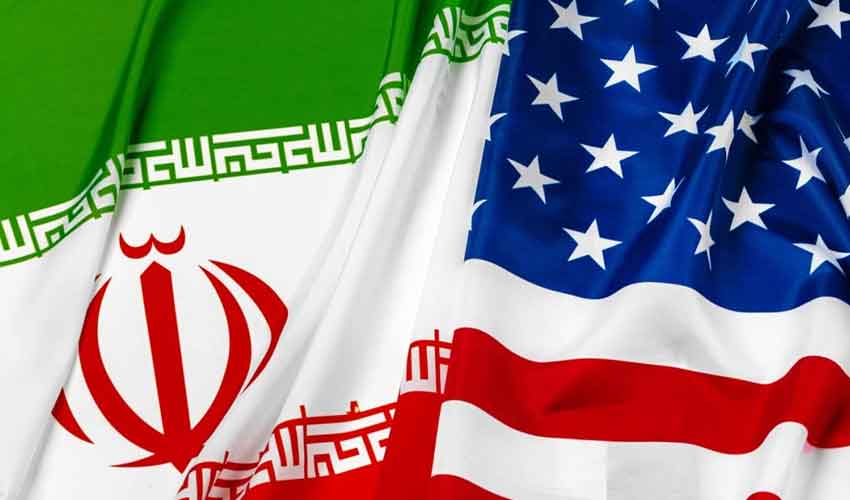
Tensions in the Middle East escalated sharply on Tuesday after Iran launched missiles toward Bahrain and Kuwait, prompting a US military response, while conflicting reports emerged over whether peace negotiations between Washington and Tehran are continuing.
The developments come amid the ongoing Iran-US war, Israel’s military operations in Lebanon, and growing concerns that the conflicts could merge into a broader regional confrontation.
The US military said Iran fired missiles at Bahrain and Kuwait, but none reached their intended targets.
According to US Central Command (CENTCOM), two missiles fired toward Kuwait broke apart before impact, while missiles aimed at Bahrain were intercepted by US and Bahraini forces.
CENTCOM also said American forces shot down multiple Iranian drones targeting US troops stationed in Kuwait.
In response to the attacks, the US launched strikes against an Iranian military ground control station on Qeshm Island in the Strait of Hormuz.
Iran says attack targeted US military facilities
Iran’s Islamic Revolutionary Guard Corps (IRGC) confirmed carrying out missile and drone attacks, saying it targeted the headquarters of the US Navy’s Fifth Fleet in Bahrain as well as another country in the region.
The Guard did not specifically name Kuwait.
Iran said the operation was retaliation for a US strike on the engine room of an oil tanker attempting to reach Iranian territory despite the American blockade.
“We had previously warned that in case of aggression, the response would be different and more severe, and we acted accordingly,” the IRGC said in a statement.
Oil tanker incident fuels tensions
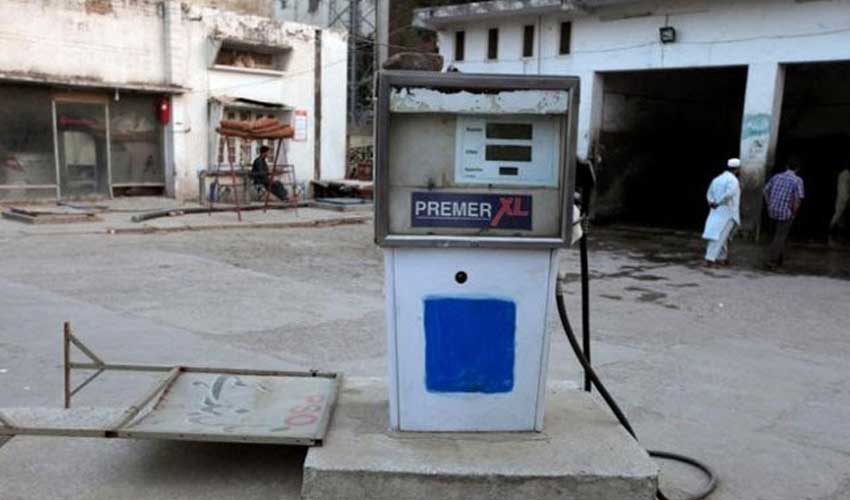
The latest escalation follows a US military operation in which American forces fired a missile into the engine room of an oil tanker attempting to reach Iran.
Iran has cited the tanker incident as evidence of escalating US pressure and justification for its military response.
The confrontation has further heightened tensions around the strategically important Strait of Hormuz, a vital route for global energy shipments.
Reports claim Iran halted communication with mediators
The military escalation came as reports surfaced suggesting Iran had stopped communicating with mediators involved in efforts to extend a ceasefire in the war with the United States and Israel.
Semiofficial Iranian news agencies Fars and Tasnim reported Tuesday that Tehran had suspended contact through intermediaries.
A regional official involved in mediation efforts, speaking anonymously to The Associated Press, said Iran did not communicate at all on Tuesday after insisting that a ceasefire in Lebanon must be enforced before negotiations could continue.
According to reports, Iran believes any agreement ending the war with the United States should also include a halt to fighting in Lebanon.
Trump rejects claims that talks have stopped
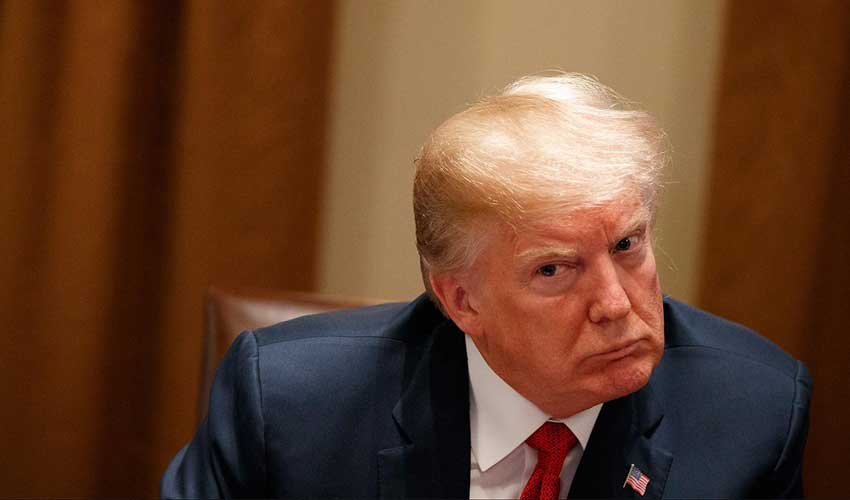
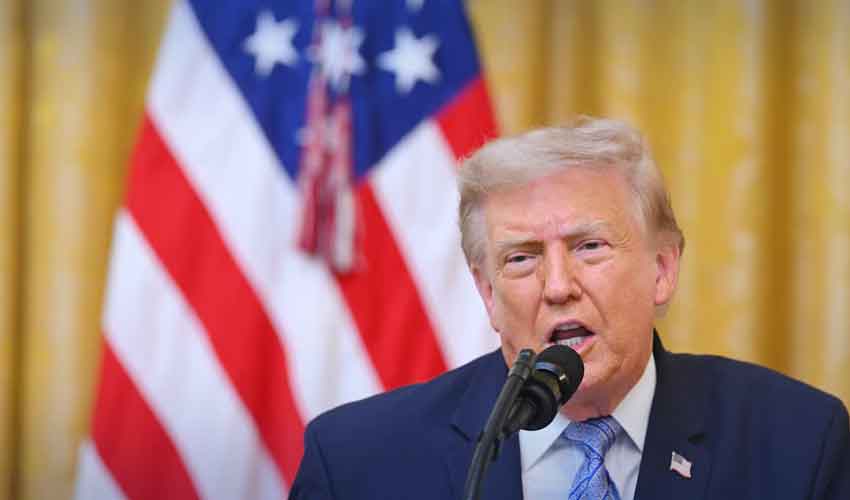
US President Donald Trump strongly disputed reports that negotiations had broken down.
In a post on Truth Social, Trump described reports of a communications halt as “false and erroneous.”
“Fake News Reports that the Islamic Republic of Iran, and the U.S.A., stopped speaking a few days ago are false and erroneous,” Trump wrote.
“The conversations between us have been going on continuously, including four days ago, three days ago, two days ago, one day ago and today.”
Trump added that discussions were continuing at a rapid pace but acknowledged uncertainty about their outcome.
“Where they lead, one never knows, but as I told Iran, ‘It’s time, one way or another, for you to make a Deal. You’ve been doing this for 47 years, and it cannot be allowed to go on any longer,’” he said.
In separate comments to NBC News, Trump said he had not been informed beforehand about reports that Iran was suspending negotiations.
“I think it’s fine if they’re done talking,” he said.
“It doesn’t mean we’re going to go and start dropping bombs all over there. We’ll keep the blockade.”
Trump added: “If they don’t want to talk, that’s OK with me. I think it’s fine. I don’t particularly want to talk, either. We talk too much.”
Iran suspends negotiations over Lebanon offensive
Iranian government-aligned media reported Monday that Tehran had suspended high-level negotiations with Washington in protest against Israel’s expanding military campaign in Lebanon.
Tasnim reported that Iran’s negotiating team would suspend “talks and the exchange of texts through mediators.”
The move complicated efforts to end the conflict that has continued for more than three months.
Iranian leaders warn of retaliation
Iranian Parliament Speaker Mohammad Bagher Ghalibaf warned Lebanese Parliament Speaker Nabih Berri that Tehran could take stronger action if Israeli attacks continue.
“Over the past two days, we have seriously pursued efforts to stop Israel’s attacks,” Ghalibaf said, according to Iran’s state news agency.
“If these crimes continue, we will not only suspend the negotiation process, but we will also stand against the Zionist regime.”
He added that any agreement ending the war between Iran and the United States must include a halt to attacks on all fronts, particularly Lebanon.
Iran’s Foreign Affairs Ministry also blamed Washington for both alleged ceasefire violations involving Iran and Israeli military actions in Lebanon.
“The United States bears direct responsibility both for the violations of the ceasefire against Iran and for the violations committed by the Zionist regime against Lebanon,” the ministry said.
Lebanon becomes central issue in negotiations
The dispute over Lebanon has emerged as a major obstacle to peace efforts.
Iran has been trying to increase pressure on Washington by linking ceasefire negotiations to events in Lebanon and to restrictions affecting the Strait of Hormuz and regional trade routes.
The United States and Israel maintain that the fighting in Lebanon is separate from negotiations concerning Iran.
Trump says Hezbollah and Israel agreed to stop attacks
On Monday, Trump announced that he had spoken with Israeli Prime Minister Benjamin Netanyahu and representatives connected to Hezbollah.
He said no Israeli troops would enter Beirut.
“I had a very productive call with Prime Minister Bibi Netanyahu, of Israel, and there will be no Troops going to Beirut,” Trump wrote on Truth Social.
“Likewise, through highly placed Representatives, I had a very good call with Hezbollah, and they agreed that all shooting will stop.”
Later, Trump reiterated that Israel and Hezbollah had agreed to halt attacks and expressed hope that the arrangement would last permanently.
“Let’s see how long that lasts — Hopefully it will be for ETERNITY!” he wrote.
Lebanese Embassy outlines ceasefire proposal
The Lebanese Embassy in Washington said Hezbollah had accepted a US proposal for a mutual cessation of attacks.
According to the embassy, Israeli strikes on Beirut’s southern suburbs would stop in exchange for Hezbollah refraining from attacks on Israel.
The proposal would later expand into a nationwide ceasefire covering all Lebanese territory.
The embassy also said Trump personally informed Lebanon’s ambassador that Netanyahu had agreed to the arrangement.
Netanyahu issues warning despite ceasefire efforts
Despite reports of progress, Netanyahu later warned that Israeli military operations would continue if Hezbollah attacks persisted.
“I spoke this evening with President Trump and told him that if Hezbollah does not stop attacking our cities and civilians, Israel will strike terrorist targets in Beirut,” Netanyahu wrote on X.
“At the same time, the IDF will continue operating as planned in southern Lebanon.”
Iran warns US and Israel of military consequences
Ebrahim Azizi, head of Iran’s parliamentary national security commission, warned that continued attacks in Lebanon could trigger a direct military response.
“If the attacks against Lebanon do not stop completely, the consequences will be severe for the Zionist regime and US forces in the region,” Azizi wrote on X.
“They are fully aware that this is not an empty threat, and we are prepared for a military response.”
Rubio remains cautiously optimistic
US Secretary of State Marco Rubio did not directly address reports that Iran had suspended communications.
While testifying before Congress, Rubio expressed cautious optimism about negotiations involving Iran’s nuclear program.
However, he stressed there was no guarantee that an acceptable agreement would ultimately be reached.
Regional tensions remain high
The combination of missile attacks, disputed ceasefires, naval confrontations and diplomatic uncertainty has left the region on edge.
While Washington insists negotiations continue, Tehran’s demands regarding Lebanon and the broader conflict threaten to complicate already fragile efforts to secure a lasting peace agreement.
.jpg)