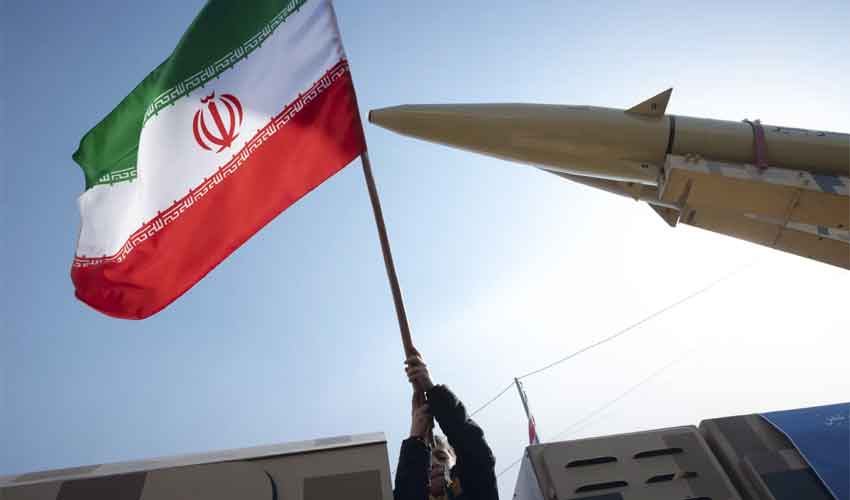
The United States and Iran have traded fresh strikes as negotiations continue to end a three-month-old conflict that has shaken the Middle East and pushed global energy markets higher.
The US said it struck Iranian military sites over the weekend in response to what it called “aggressive Iranian actions,” including the shootdown of a US MQ-1 drone over international waters.
In a post on X, US Central Command said American fighter aircraft responded by targeting Iranian air defences, a ground control station and two one-way attack drones that it said posed clear threats to ships moving through regional waters.
— U.S. Central Command (@CENTCOM) June 1, 2026
CENTCOM added that no US military personnel were harmed and said it would continue to protect American assets and interests during the ongoing ceasefire.
Iran says it targeted US air base
Iran’s Islamic Revolutionary Guard Corps said on Monday that it had targeted an air base used by the United States for an attack on southern Iran. The IRGC did not identify the base.
In Kuwait, where a major US base is located, air defences were intercepting missile and drone attacks on Monday as sirens sounded across the country, state news agency KUNA reported. It did not provide further details.
The US and Iran have exchanged strikes sporadically since a ceasefire took effect in early April. Talks aimed at reaching a more durable agreement have continued, but progress remains slow.
Also Read: US ready to restart Iran strikes if talks fail: Hegseth warns
A similar exchange took place last Thursday, with both sides describing the incidents in similar terms.
The war, launched by the US and Israel on February 28, has killed thousands of people, mainly in Iran and Lebanon. It has also caused global economic strain by pushing up energy prices after Iran effectively closed the Strait of Hormuz.
Trump faces pressure over Iran and oil prices
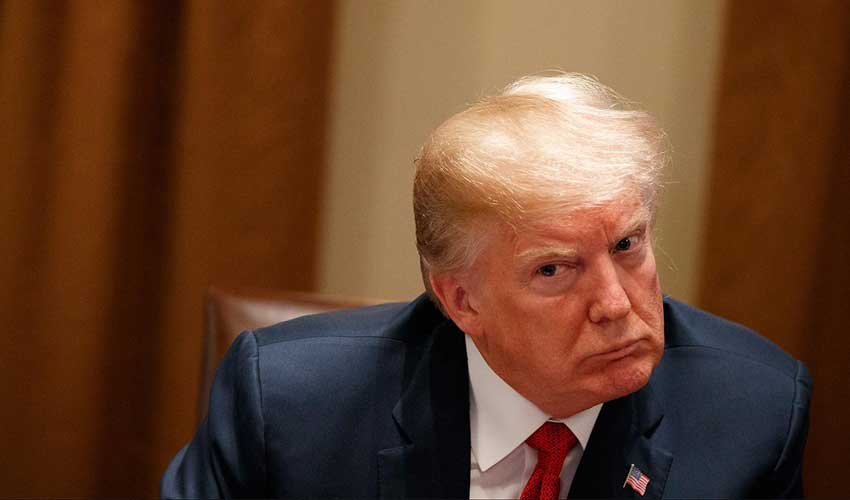
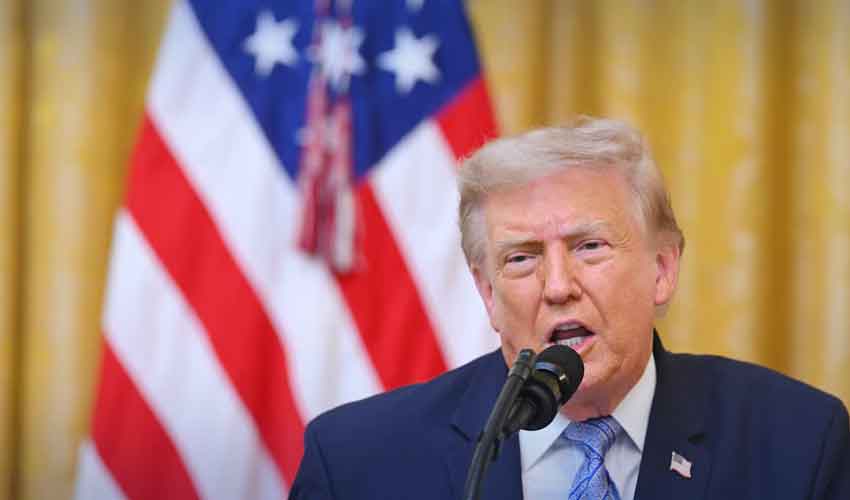
US President Donald Trump has said his main objective in the war is to prevent Iran from developing a nuclear weapon using its highly enriched uranium. Tehran has repeatedly denied having any plan to build nuclear weapons.
Trump is also under pressure to reopen the Strait of Hormuz and bring down US gasoline prices ahead of the November congressional elections, as voters grow increasingly frustrated over rising costs.
Also Read: Iranian strike on Kuwait base injures US troops, destroys drone
At the same time, he risks backlash from Iran hawks within his own party if Washington offers concessions to Tehran.
The two sides remain divided over several major issues, including Iran’s demand for sanctions relief and the release of tens of billions of dollars in Iranian oil revenues frozen in foreign banks.
Israel’s war in Lebanon against the Iranian-backed Hezbollah militia has become another major obstacle to any wider regional agreement.
Israel pushes deeper into Lebanon
Israeli Prime Minister Benjamin Netanyahu said on Sunday that he had ordered troops to move further into Lebanon in the battle against Hezbollah.
US Secretary of State Marco Rubio spoke with both Lebanese President Joseph Aoun and Netanyahu about diplomatic negotiations between Israel and Lebanon.
Also Read: US proposes new plan to ease Israel-Lebanon tensions
A US official said Rubio proposed a “gradual de-escalation” plan aimed at easing the fighting.
US details weekend strikes in Iran
The US said on Sunday it conducted “self-defense strikes” on Iranian radar and drone control sites in Goruk and Qeshm Island over the weekend.
Washington said the strikes were a response to Tehran’s aggressive actions, including the downing of the MQ-1 drone over international waters.
Also Read: Iran deal talks extend into another week after Trump draft
CENTCOM said US fighter aircraft eliminated Iranian air defenses, a ground control station and two one-way attack drones during the operation.
The latest strikes came after both countries traded attacks last week. Iran targeted a US air base after the US military carried out strikes that a Washington official said were aimed at an Iranian drone operation near the Strait of Hormuz.
The repeated exchanges have added pressure to already fragile negotiations and raised concerns about the future of the ceasefire.
.jpg)