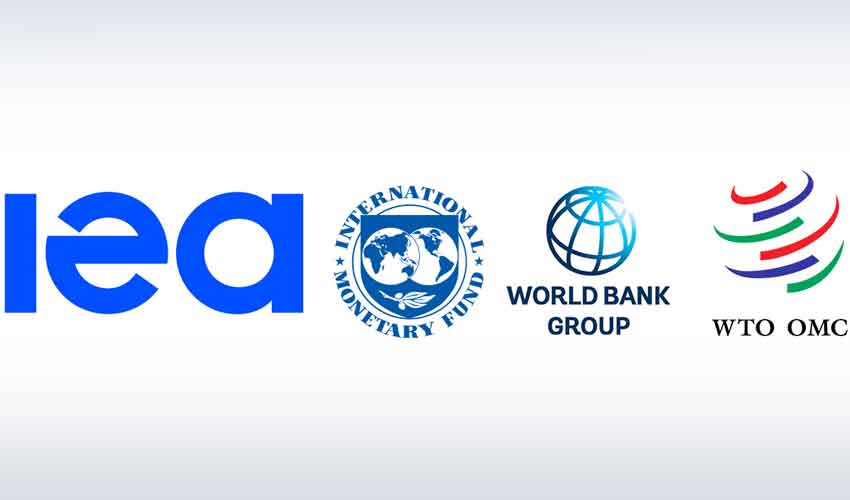
The IMF, World Bank, World Trade Organization and International Energy Agency have warned that the Middle East war is threatening the global economy, with oil supply disruptions, falling reserves and rising fuel and fertilizer prices putting vulnerable countries at greater risk.
The warning came in a joint statement issued after a meeting in Washington, where the organizations reviewed the war’s impact on energy, trade and economic stability.
The joint statement said the conflict has created serious risks for the global economy, employment and broader economic activity.
International organizations said the impact of the war is not limited to energy markets, as disruptions could affect trade, production, jobs and household costs across several regions.
They warned that poor countries are likely to suffer more severely from the economic fallout of the conflict.
Oil shipments through Strait of Hormuz
The IMF, World Bank, WTO and IEA expressed concern over the impact of the war on oil shipments through the Strait of Hormuz, a critical route for global energy supplies.
According to the statement, oil supply has already been affected, while global oil reserves are declining rapidly.
The organizations said continued disruption could deepen pressure on fuel markets and create further instability in the global economy.
Fertiliser, fuel prices may rise
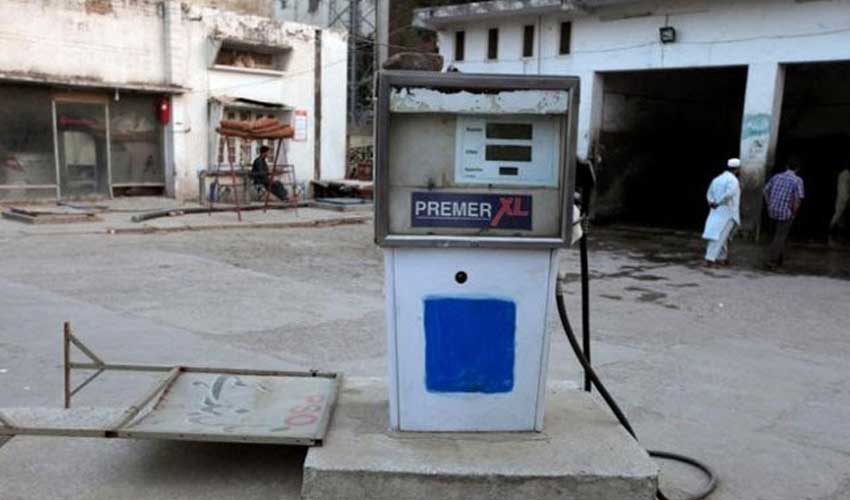
The joint statement also warned of a possible rise in fuel and fertilizer prices due to the conflict.
International organizations said concerns were growing over fertilizer supplies ahead of the agricultural season, raising fears of additional pressure on food production and prices.
The statement noted that disruptions in fertilizer availability could hit poorer countries hardest, especially those already struggling with food insecurity and high import costs.
Assistance to affected countries will continue
The IMF, World Bank, World Trade Organization and IEA said they would continue assistance to poor and affected countries facing the economic consequences of the Middle East war.
They also pledged to maintain close coordination to support global economic stability.
The organizations said continued cooperation would be essential to manage risks linked to energy supplies, trade disruption, employment and inflationary pressures.
.jpg)
.jpg)