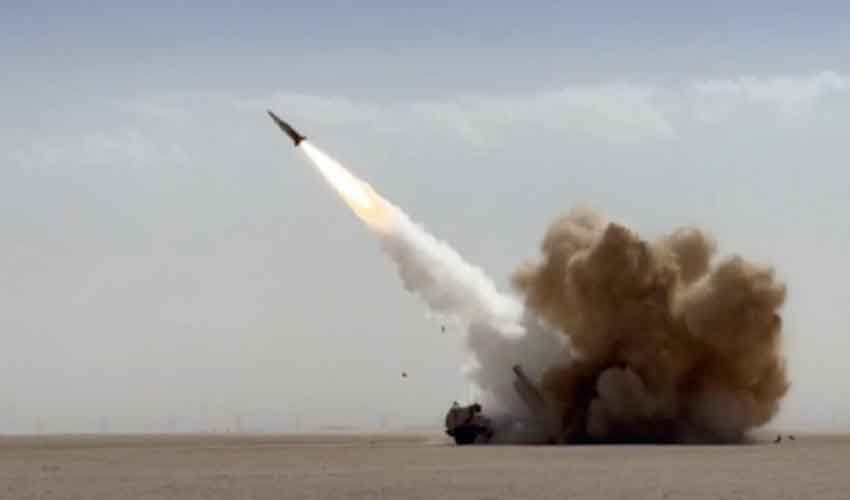
US Central Command (Centcom) said Iran launched a ballistic missile toward Kuwait that was successfully intercepted by Kuwaiti forces, calling it an “egregious ceasefire violation” by Tehran.
The statement came after Centcom said US forces intercepted five Iranian one-way attack drones in and near the Strait of Hormuz and destroyed a sixth drone before launch in Bandar Abbas.
According to US Central Command, Iran launched a ballistic missile toward Kuwait at 10:17pm ET on May 27. Centcom said the missile was successfully intercepted by Kuwaiti forces.
At 10:17 p.m. ET on May 27, Iran launched a ballistic missile toward Kuwait that was successfully intercepted by Kuwaiti forces. This egregious ceasefire violation by the Iranian regime occurred hours after Iranian forces launched five one-way attack drones that posed a clear…
— U.S. Central Command (@CENTCOM) May 28, 2026
The command described the launch as an “egregious ceasefire violation by the Iranian regime.”
Five Iranian drones destroyed
Centcom said the missile launch came hours after Iranian forces launched five one-way attack drones. The drones posed a clear threat in and near the Strait of Hormuz, according to the statement.
US forces successfully intercepted and destroyed all five drones in the air.
Also Read: Kuwait air defences activated over missile, drone attacks
US Central Command said American forces also prevented a sixth drone attack. The sixth drone was destroyed before it could take off from an Iranian ground control site in Bandar Abbas.
Centcom said the action was part of efforts to protect US forces and interests from what it called unjustified Iranian aggression.
US and regional partners remain on alert
Centcom said US forces and regional partners are monitoring the situation closely. It added that they remain “vigilant and measured” while continuing to defend forces and interests.
Also Read: Trump threatens to 'blow up' Oman over Hormuz dispute
The command said it is fully prepared and alert against further threats in the region.
The latest statement adds to growing tensions around Kuwait and the Strait of Hormuz. The waterway remains a critical route for global energy shipments and has become a flashpoint amid the fragile ceasefire and ongoing US-Iran hostilities.



.jpg)