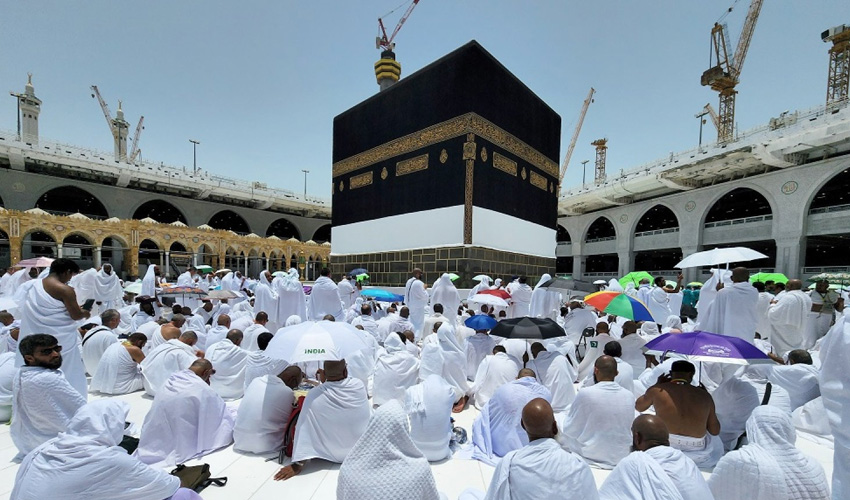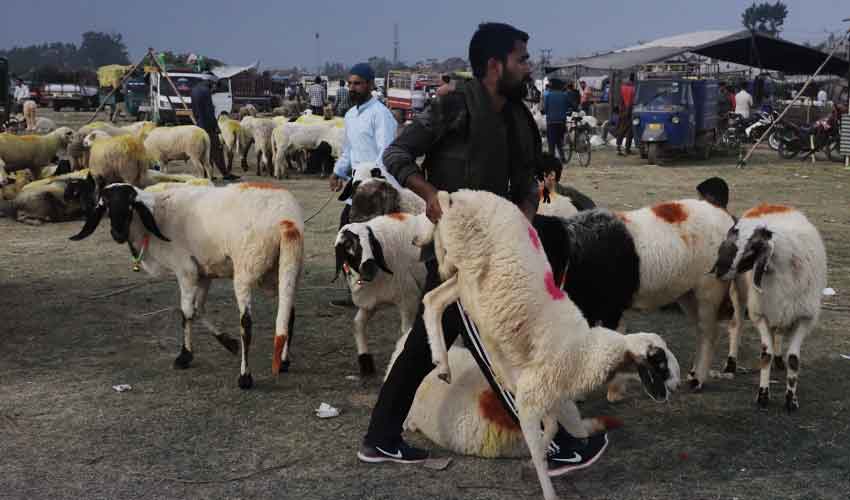
Eid-ul-Azha is not only a religious festival but also one of Pakistan’s biggest informal economic events, generating an estimated Rs540 billion to Rs750 billion in activity within just three days.
Eid-ul-Azha brings together faith, tradition and economy on a massive scale.
According to conservative estimates, around 7.4 million animals are sacrificed across Pakistan during the three days of Eid, including cows, buffaloes, goats, sheep and camels.
This creates rapid economic activity involving livestock farmers, traders, transporters, cattle markets, fodder sellers, butchers, leather dealers and exporters.
Billions circulate before, during Eid
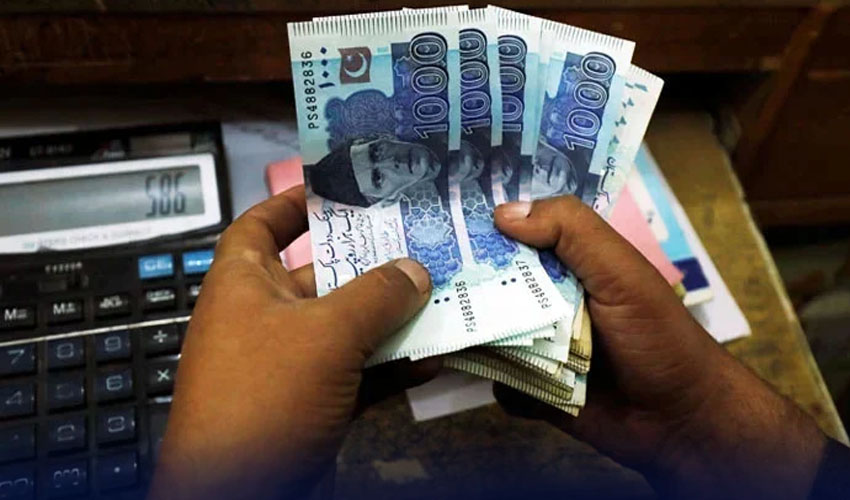
Before Eid, market capital circulation increases by around Rs620 billion, with most transactions taking place in cash. The total average estimate of animal buying, selling and sacrifice-related activity during Eid-ul-Azha stands at around Rs641 billion.
Overall, the country witnesses economic activity ranging between Rs540 billion and Rs750 billion during the festival.
Karachi, often called Mini Pakistan, records one of the largest shares of Eid-ul-Azha economic activity. According to estimates, transactions worth around Rs185 billion take place in Karachi alone during Eid-ul-Azha.
Largest informal food distribution system
Eid-ul-Azha also creates the country’s largest private informal food distribution system. Around 532,000 to 550,000 tons of meat are distributed across Pakistan during Eid, with a major portion going to deserving and needy families.
One of the most important economic impacts of Eid-ul-Azha is the transfer of income from urban centres to rural areas.
More than Rs400 billion moves from cities to villages during Eid days, making it a major source of income for farmers and rural families who raise livestock.
Butchers, leather industry, exports benefit
Butchers earn thousands of rupees per animal during the Eid season, creating short-term employment and income opportunities.
The leather industry also receives raw material from the skins of sacrificial animals, while the export sector benefits from Eid-related supply chains.
More than half a trillion rupees are spent across the country in just 72 hours to fulfil the Sunnah of Hazrat Ibrahim (AS). This amount is equivalent to around 60 percent of the federal Public Sector Development Programme, highlighting the massive economic scale of Eid-ul-Azha in Pakistan.
.jpg)
.jpg)